International Workshop on Digitalization of Cultural Heritage
Six of the numerous historical sites in Iraq, including the Erbil Citadel, are designated as UNESCO World Heritage Sites. Some of the cultural sites were demolished during periods of conflict or by the passage of time, and some are currently inaccessible to foreigners or scientists. The primary form of information regarding Iraq’s cultural heritage is tangible. However, in order to ensure that it is independent of local developments and accessible to a broader, international audience, digitalization is required.
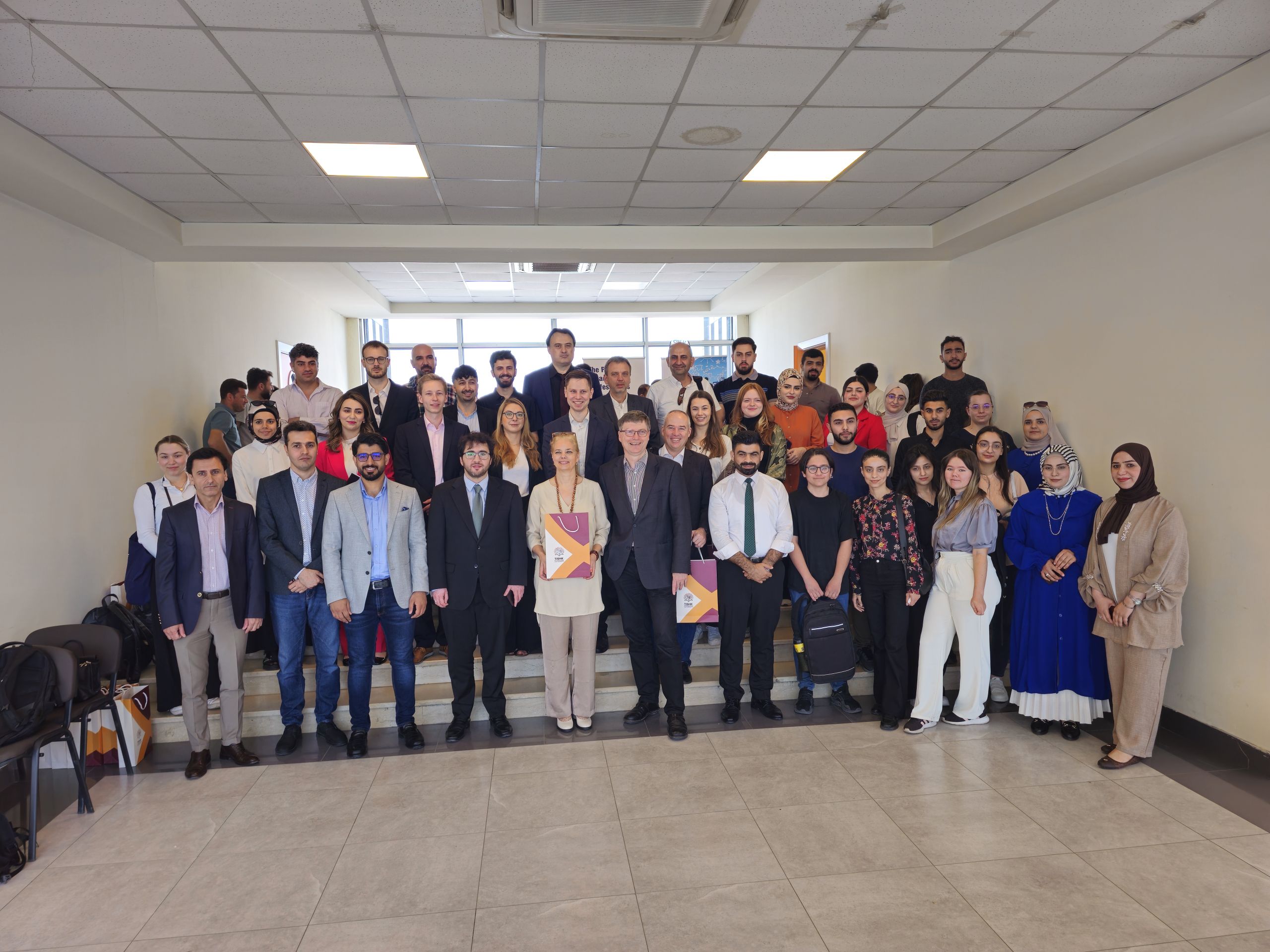
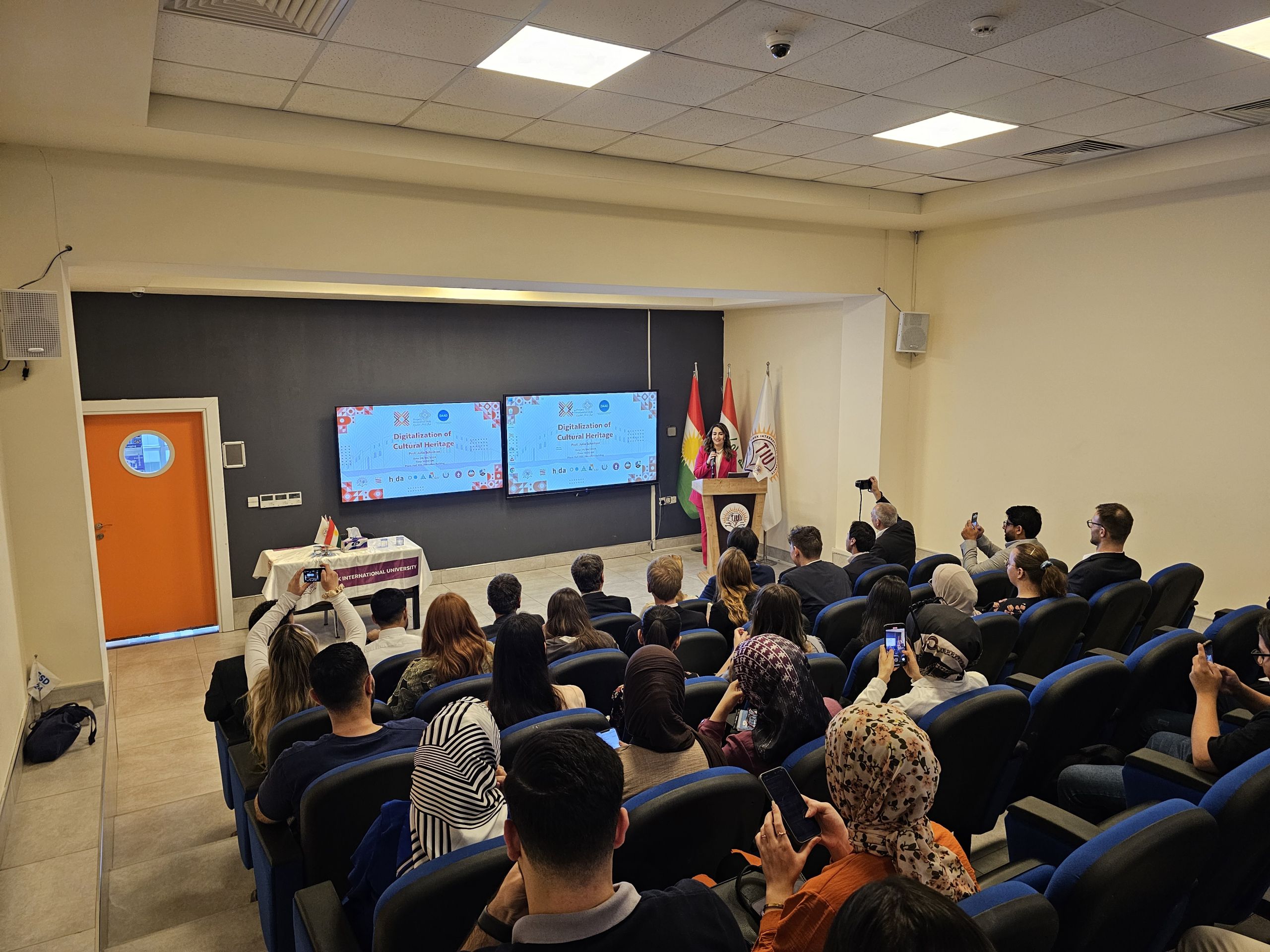
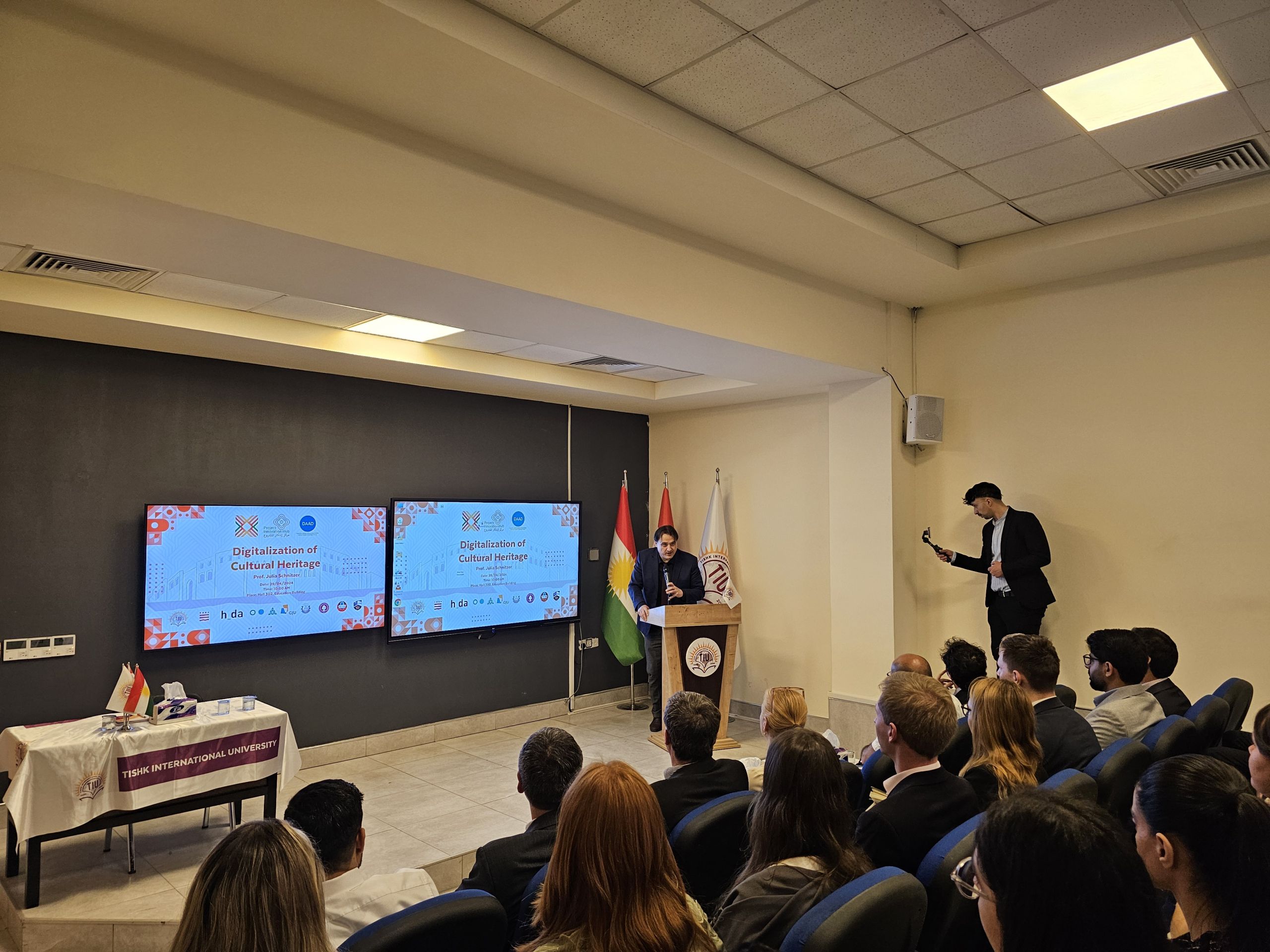
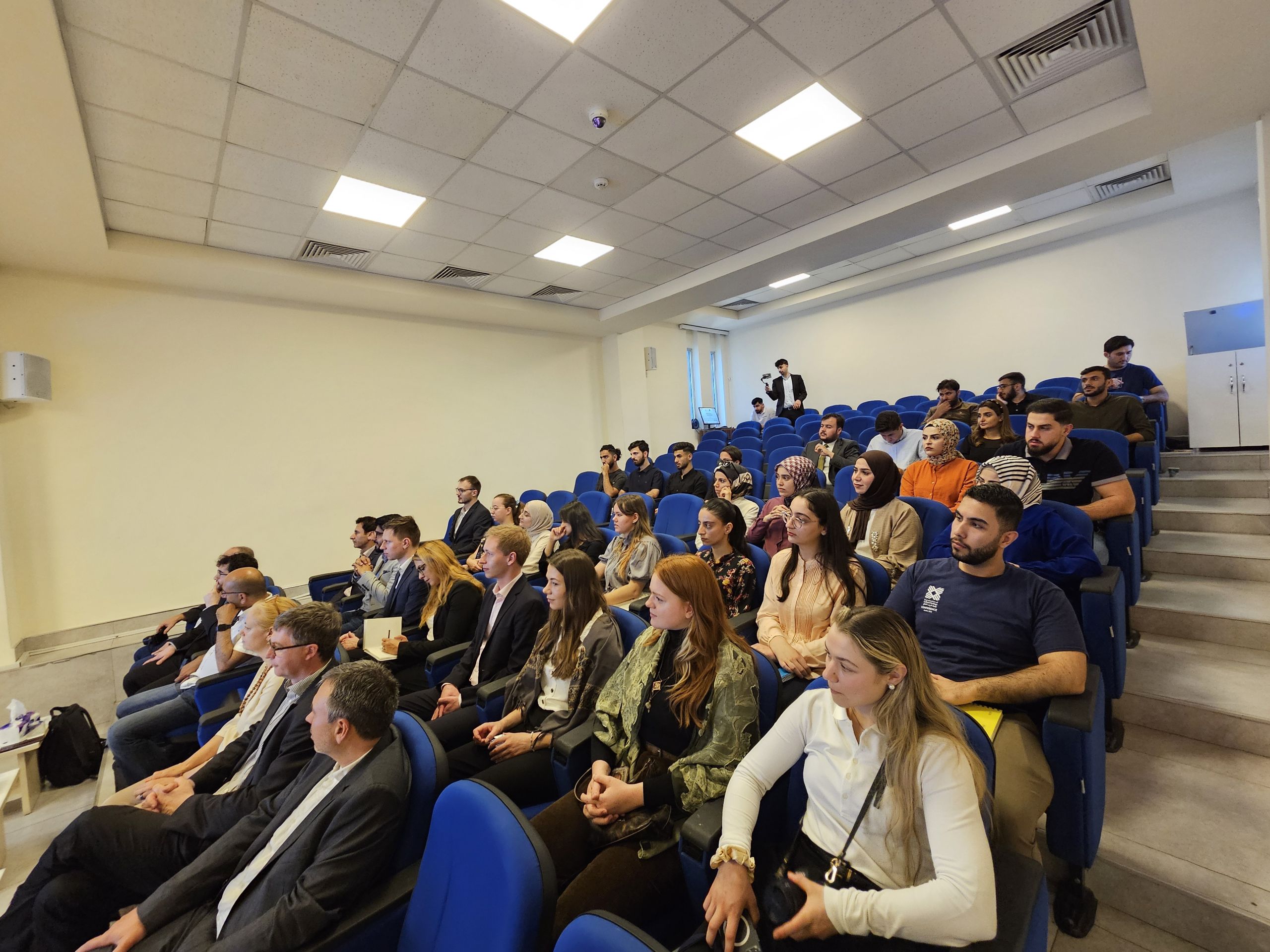
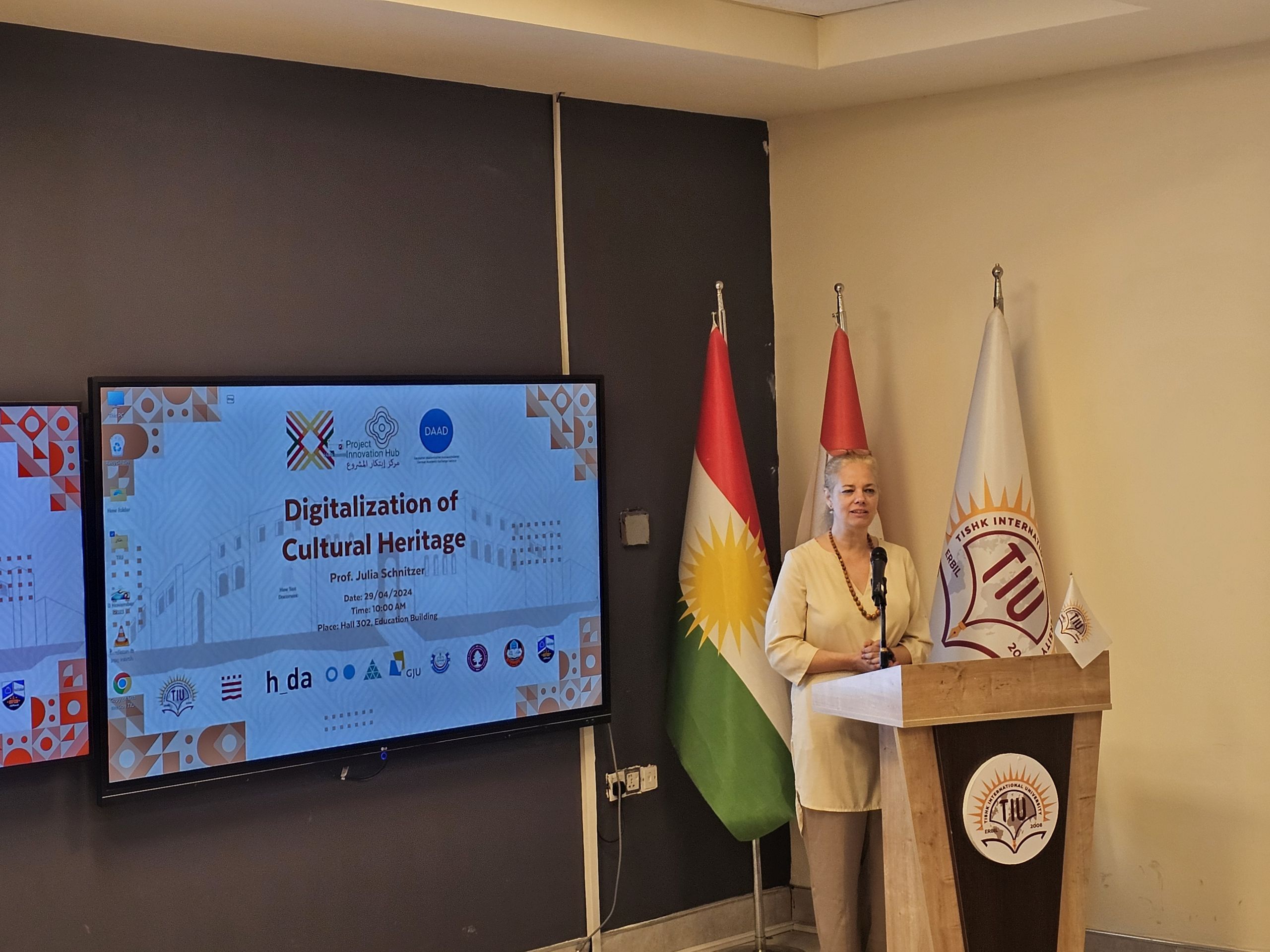
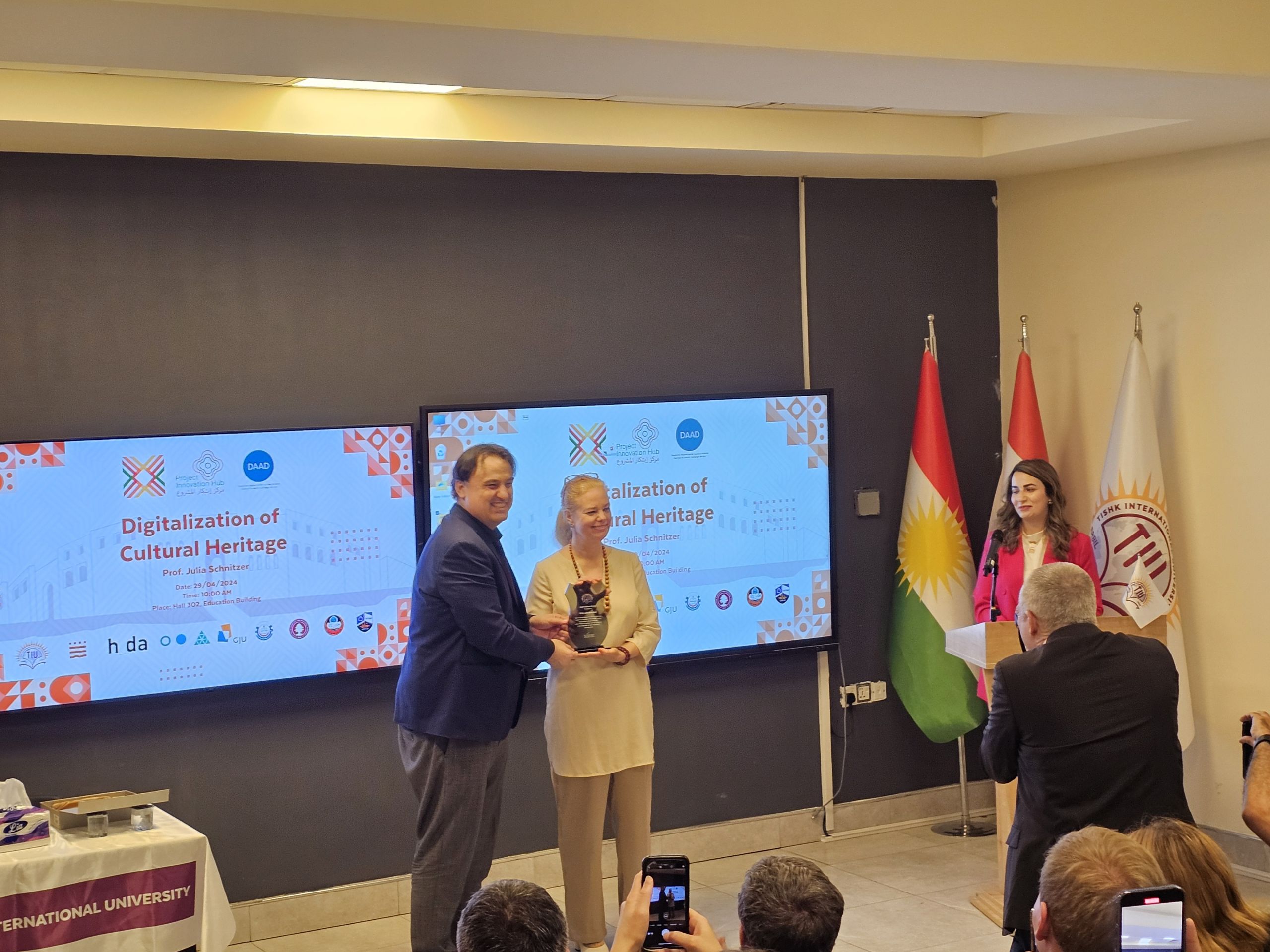
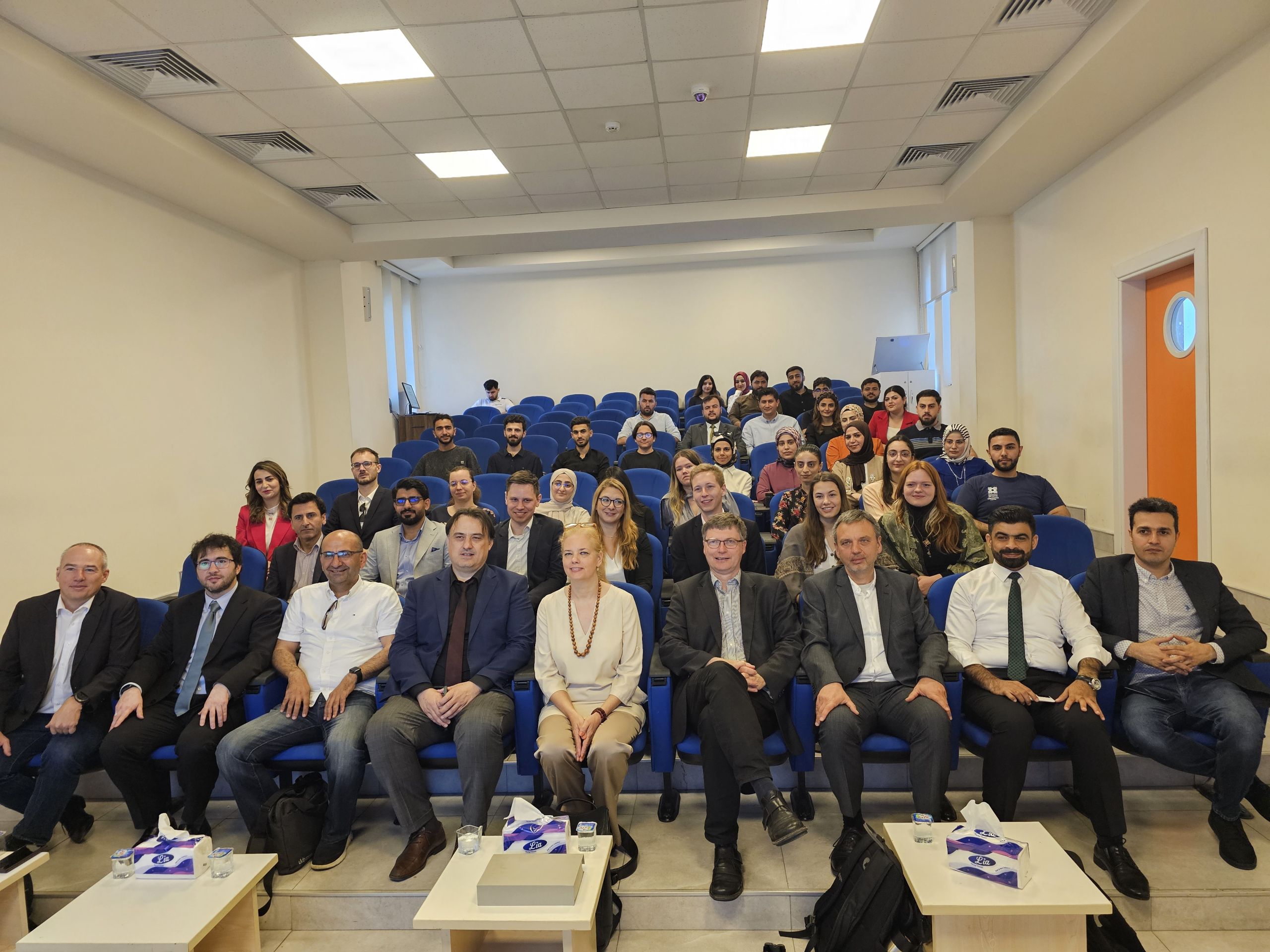
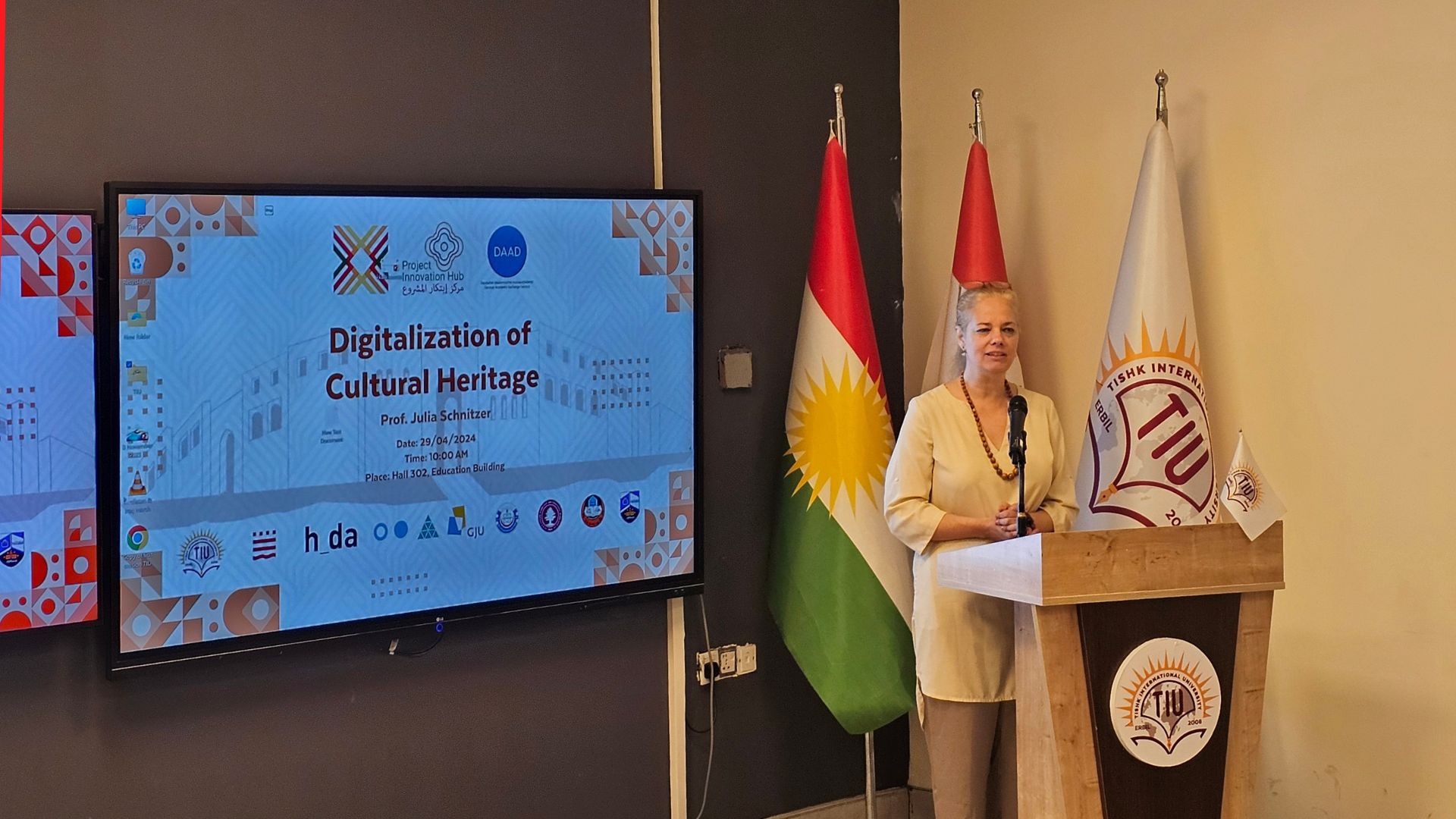
A engaging workshop entitled “Digitalization of Cultural Heritage” was conducted by Professor Julia Schnitzer of Brandenburg University of Applied Sciences on April 29th, 2024. The workshop was organised by the Computer Engineering Department, Faculty of Engineering at Tishk International University (TIU). The event explored the exciting realm of how digital technologies are revolutionising the ways in which we interact with, access, and preserve our cultural heritage. The immense potential of digitization for safeguarding artefacts, historical documents, and landmarks was likely discussed by Professor Schnitzer, a renowned expert in the field. It is likely that the workshop attendees acquired valuable insights into the most recent methods for digital documentation, 3D modelling, and virtual reality applications in cultural heritage management.
The unprecedented scale of conservation, preservation, restoration, and dissemination of our tangible cultural heritage is being facilitated by the significant advancements in digitization technologies that we have observed over the past few decades. Today, we have the opportunity to not only appreciate the beauty and value of these cultural assets, but also to share and distribute them globally through the use of new documentation methods. The vast field of imaging is the most significant example of this impact.
The workshop functioned as a dynamic platform for the exchange of best practices and ideas in the field of cultural digitalization. The significance of interdisciplinary collaboration was underscored by Prof. Schnitzer’s captivating presentation, which encouraged participants to establish a connection between technological advancement and heritage conservation. Through interactive sessions and case studies, participants acquired a deeper understanding of the emerging technologies and cutting-edge methodologies that are influencing the field. Attendees were motivated to investigate novel methods for preserving and promoting cultural heritage in the digital era by Prof. Schnitzer’s passion and expertise.
Keywords: Global Cooperation, Cultural Heritage, Digital Transformation, Digitalisation, Digital, Collaboration