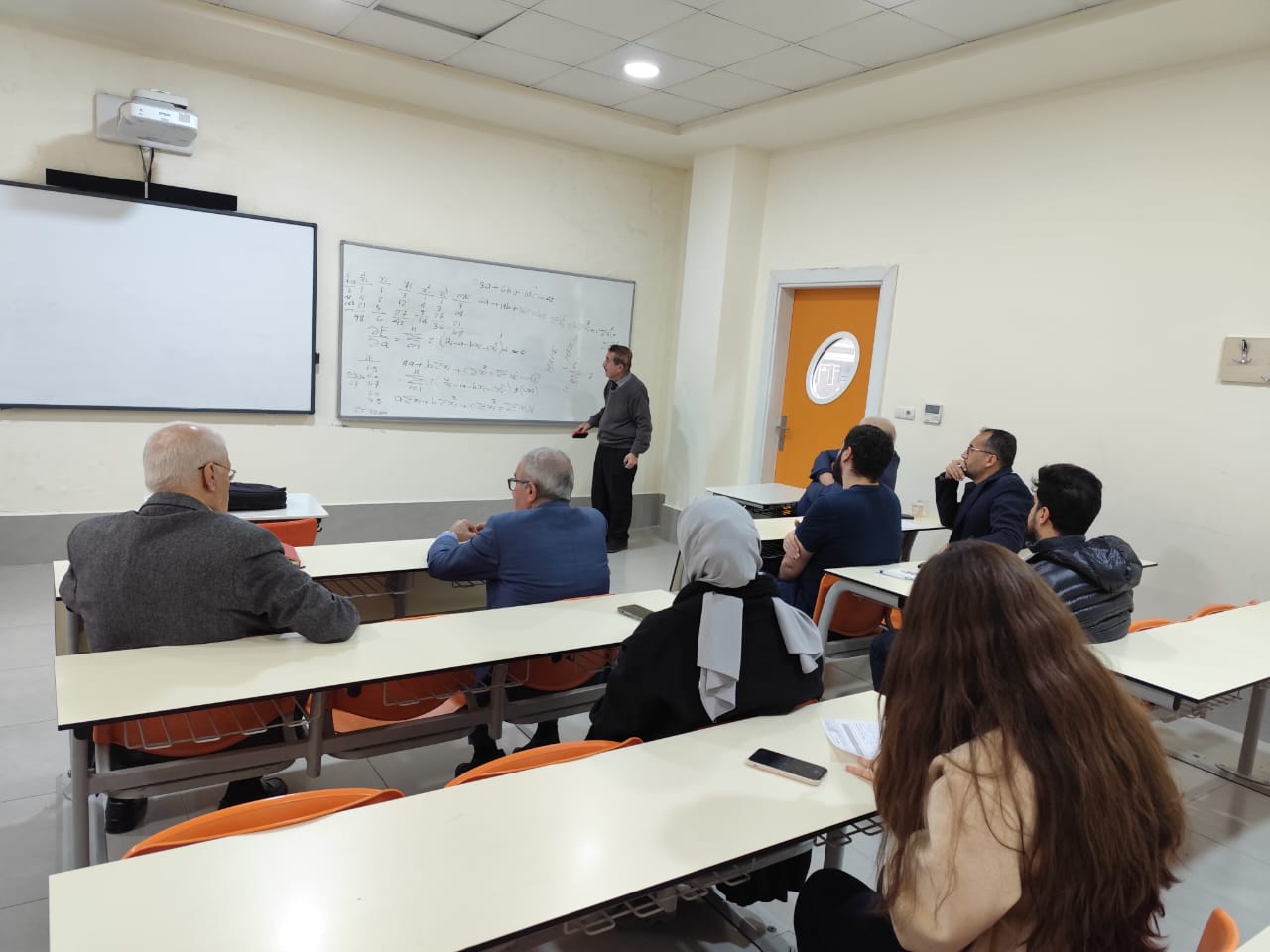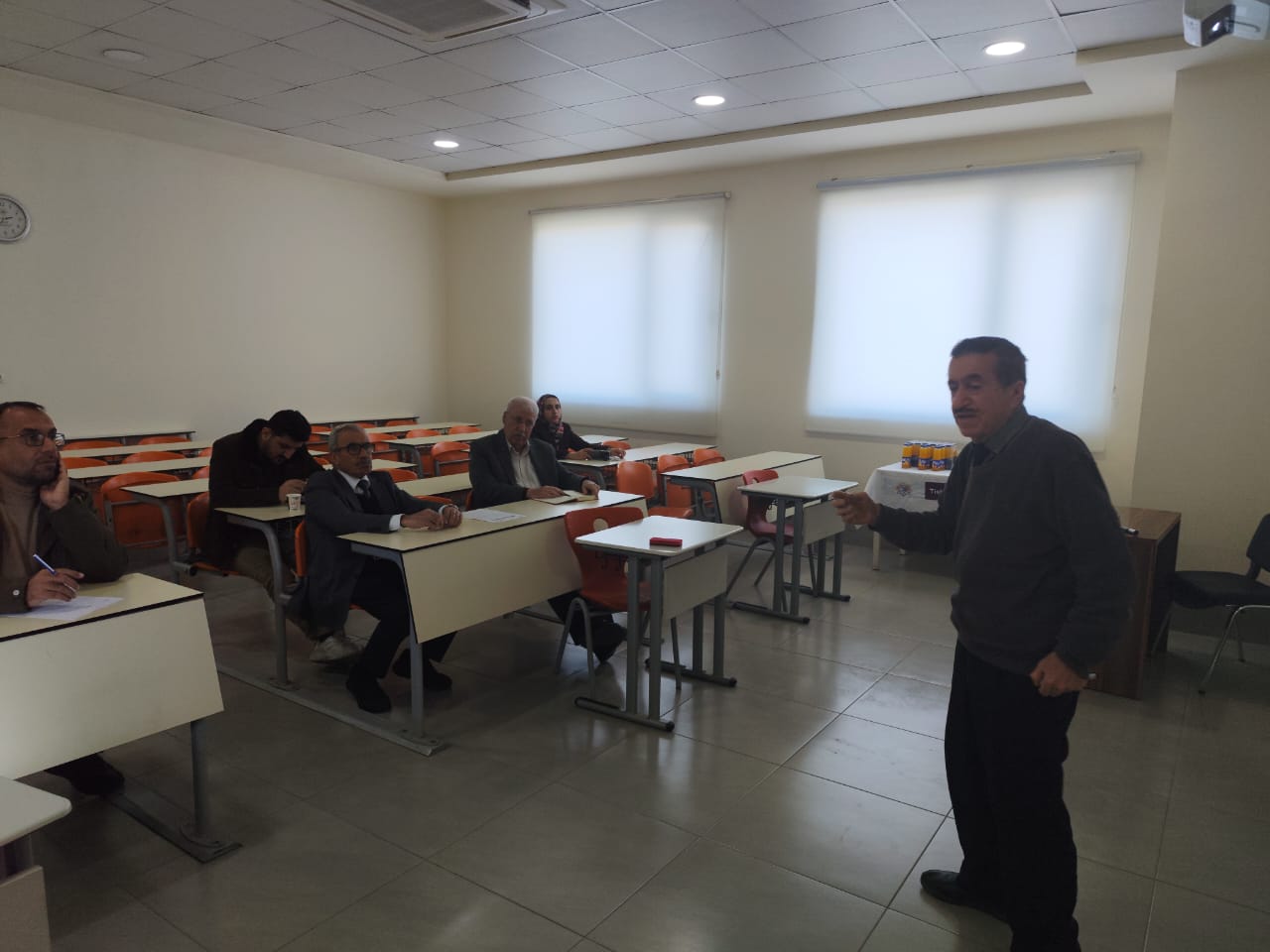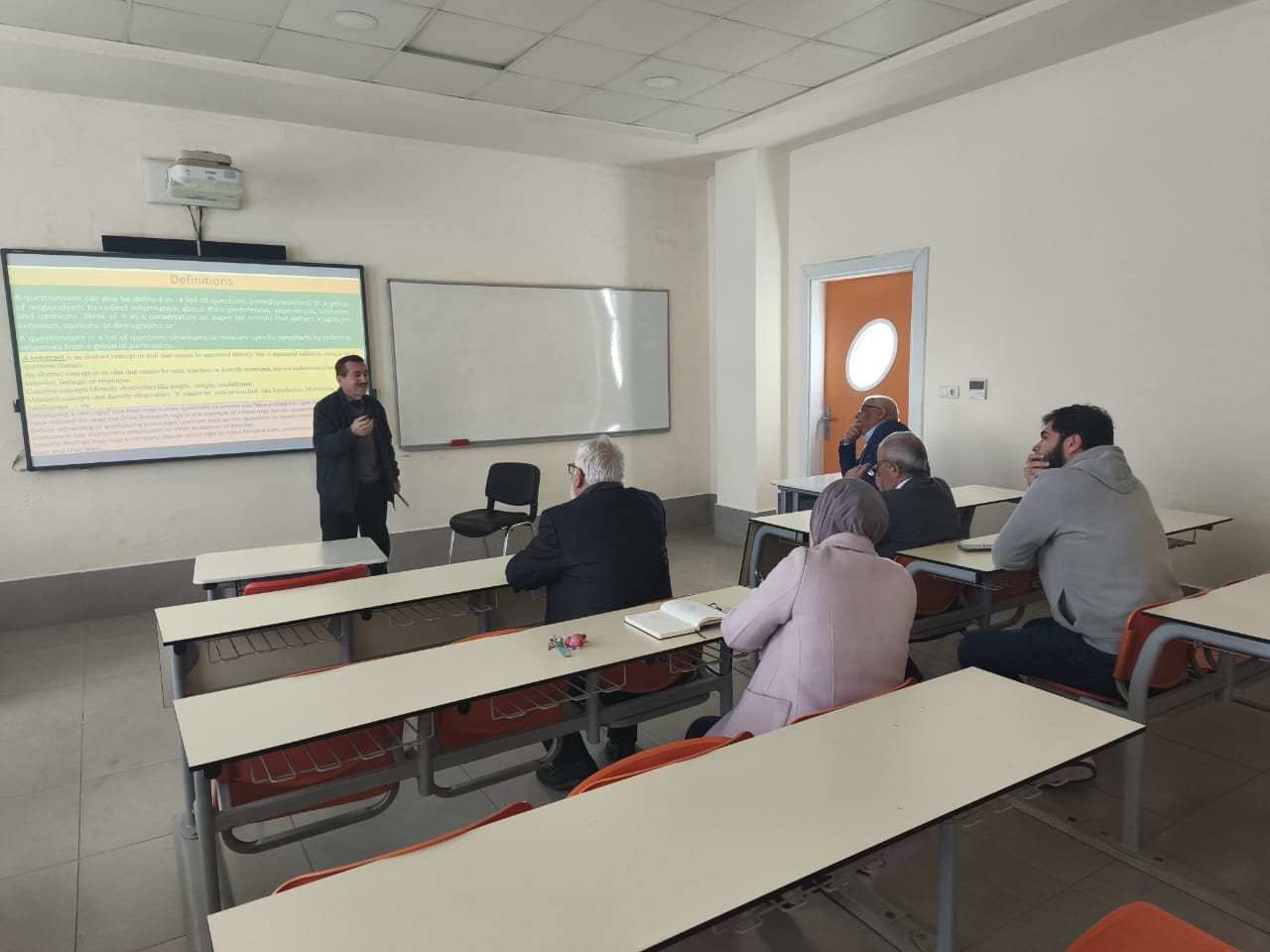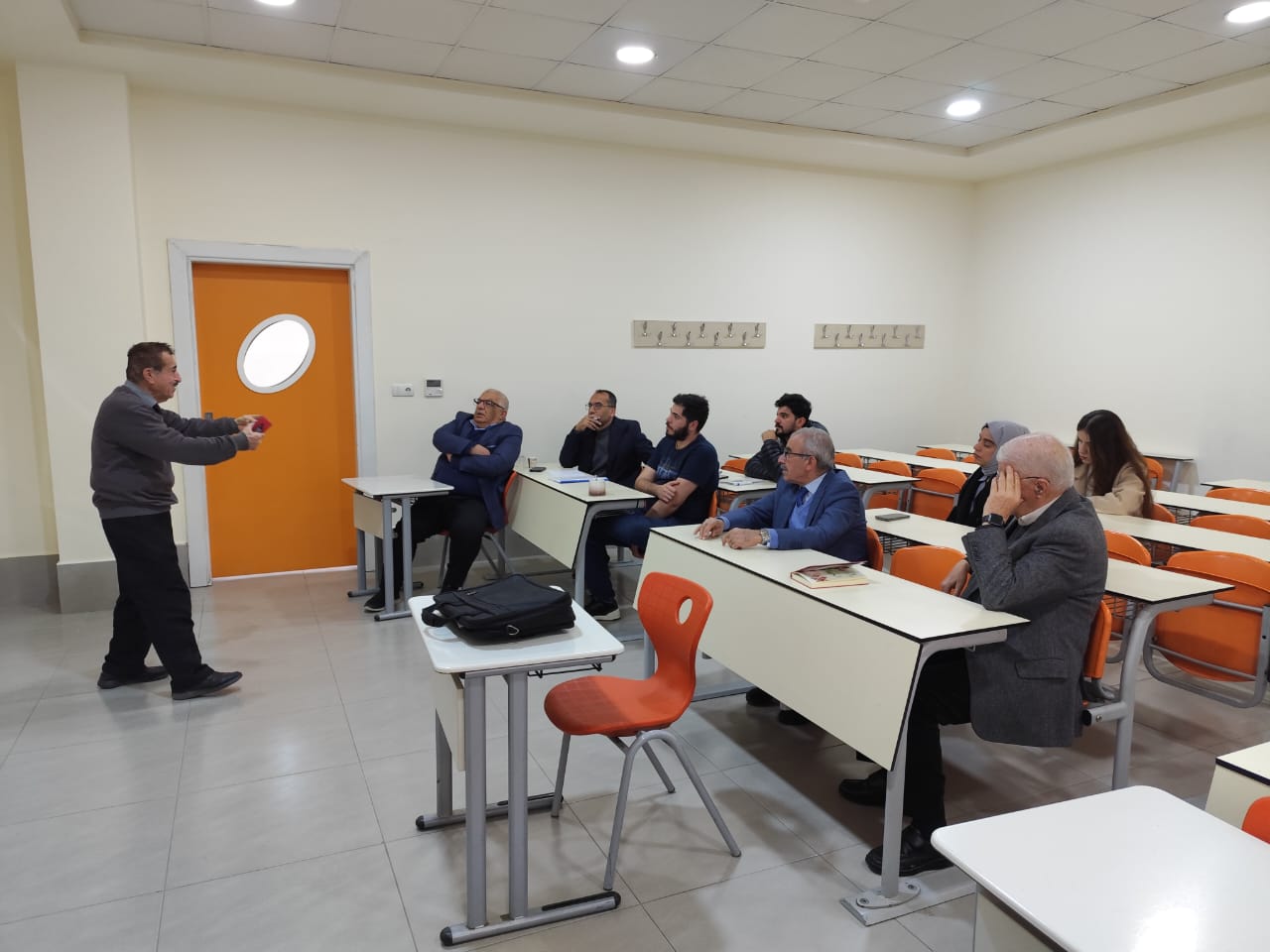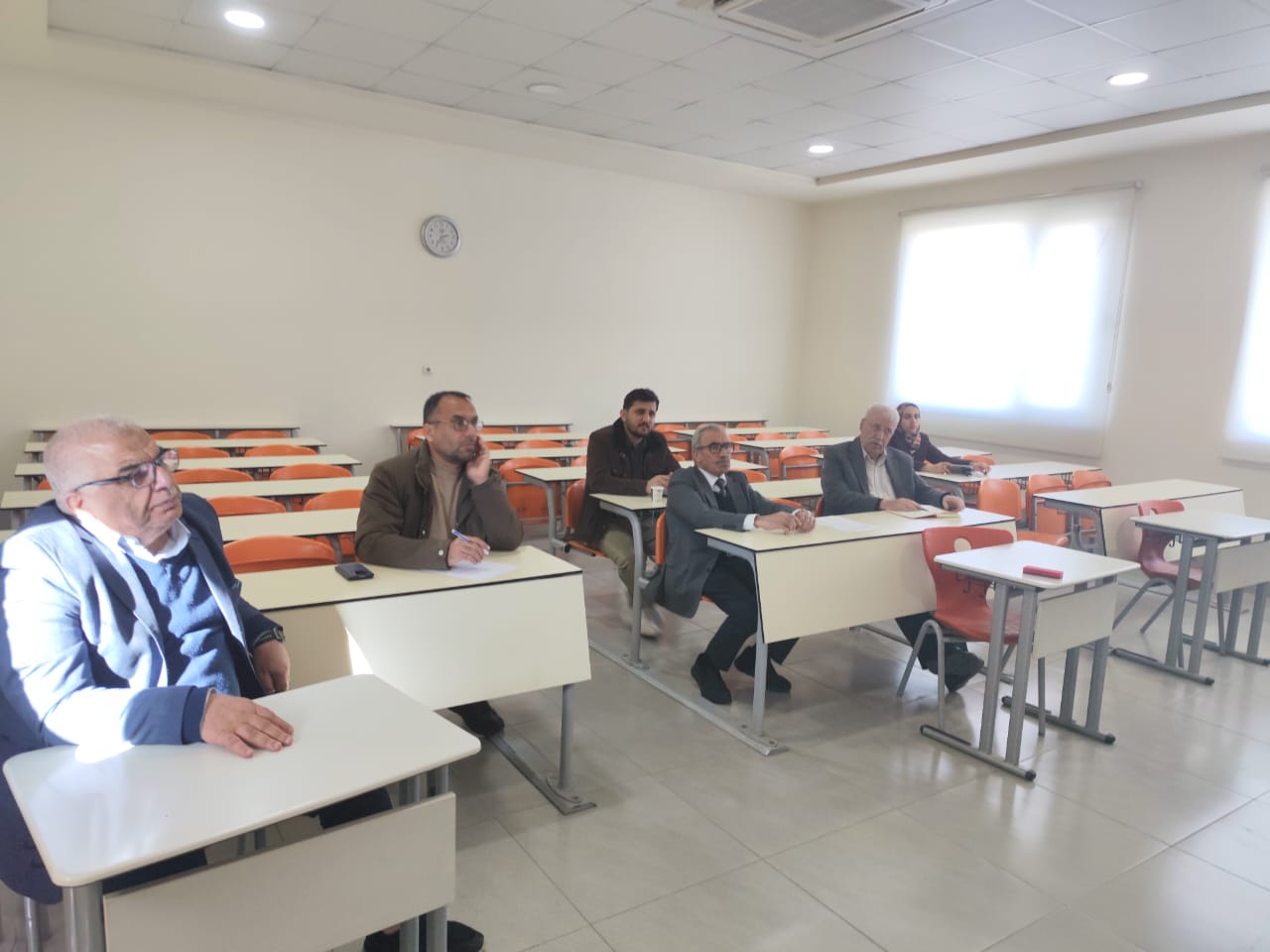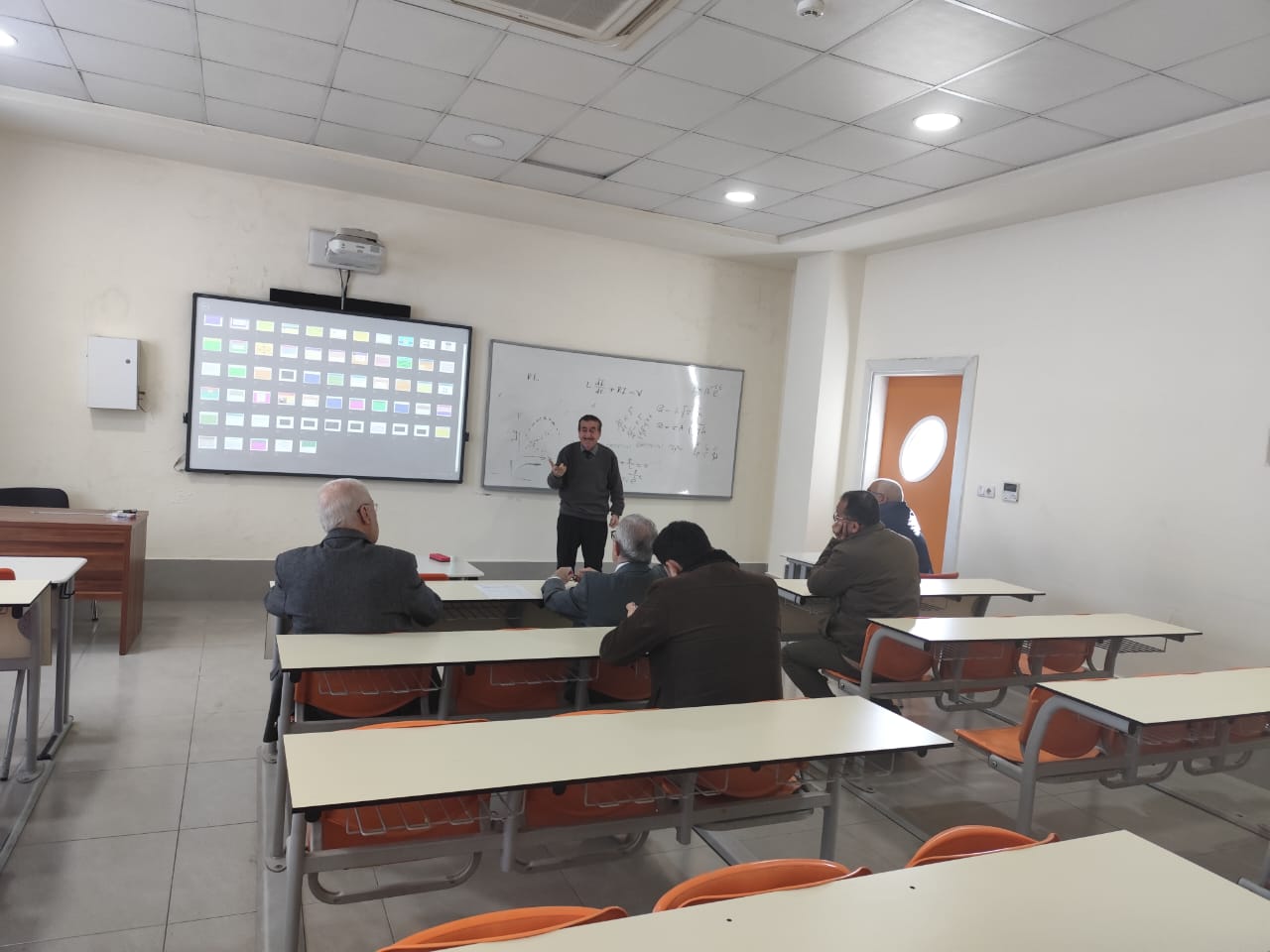
The Petroleum and Mining Engineering (PAME) Department at Tishk International University (TIU) organized a national workshop on January 25, 2026. Prof. Dr. Tariq Hamakarim Kakahama led the session, titled “From Questionnaire Design to Data Analysis: Practical Applications in Research.” Specifically, the event ran from 2:00 PM to 4:00 PM in Hall 214 of the Main Building at Tishk International University (TIU). The PAME department aimed to strengthen how researchers design surveys and analyze academic data through this specialized training.
Academic Impact of the Workshop
Academic staff, researchers, and students from various departments attended the session. Consequently, the event attracted 16 participants, which successfully met national workshop requirements. During the session, the PAME department head and Prof. Dr. Kakahama introduced fundamental questionnaire concepts and classification methods. Furthermore, he explained how structure, question types, and measurement scales impact research quality. This detailed focus ensures that future research projects at the university maintain high international standards and rigorous academic integrity.
Mastering Data Analysis and Design
The sessions focused heavily on Likert scales and their role in modern research. Therefore, participants discussed item suitability, reliability, and validity. These elements are vital during the design phase of any research tool. Additionally, the PAME workshop covered several statistical techniques. These included the Shapiro–Wilk test, Cronbach’s alpha, and factor analysis. As a result, practical examples helped the audience understand how to interpret these methods in real scenarios. Participants engaged in active discussions to clarify how these tests apply to their specific scientific or humanitarian fields.
Visualizing Results and Research Outcomes
The PAME department also demonstrated modern graphical tools for presenting results. Attendees learned to use stacked bar charts, radar charts, and word clouds. These tools help researchers present findings with better clarity and accuracy. By using these visual aids, researchers can communicate complex data to a wider audience more effectively. This ability to visualize data remains a key component of modern engineering and academic communication.
In conclusion, this activity supports Sustainable Development Goal (SDG) 4: Quality Education. It builds technical skills within the university community and improves the quality of institutional research. The Petroleum and Mining Engineering (PAME) Department received positive feedback from the attendees. They especially appreciated the practical approach to complex research challenges offered during the event.