The PME Department Hosts Drilling Fluid School Course in Collaboration with Pulsar Petroleum
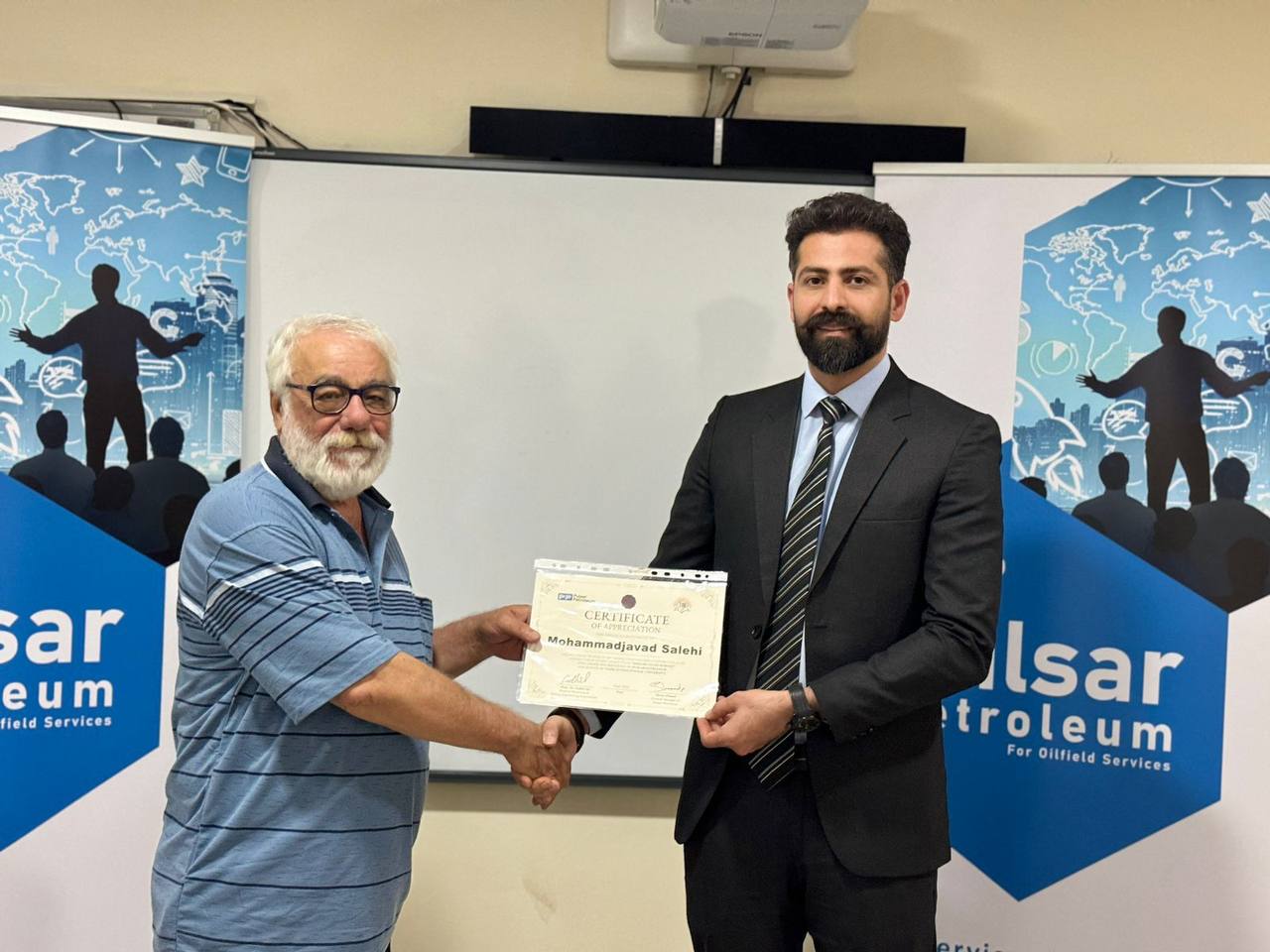
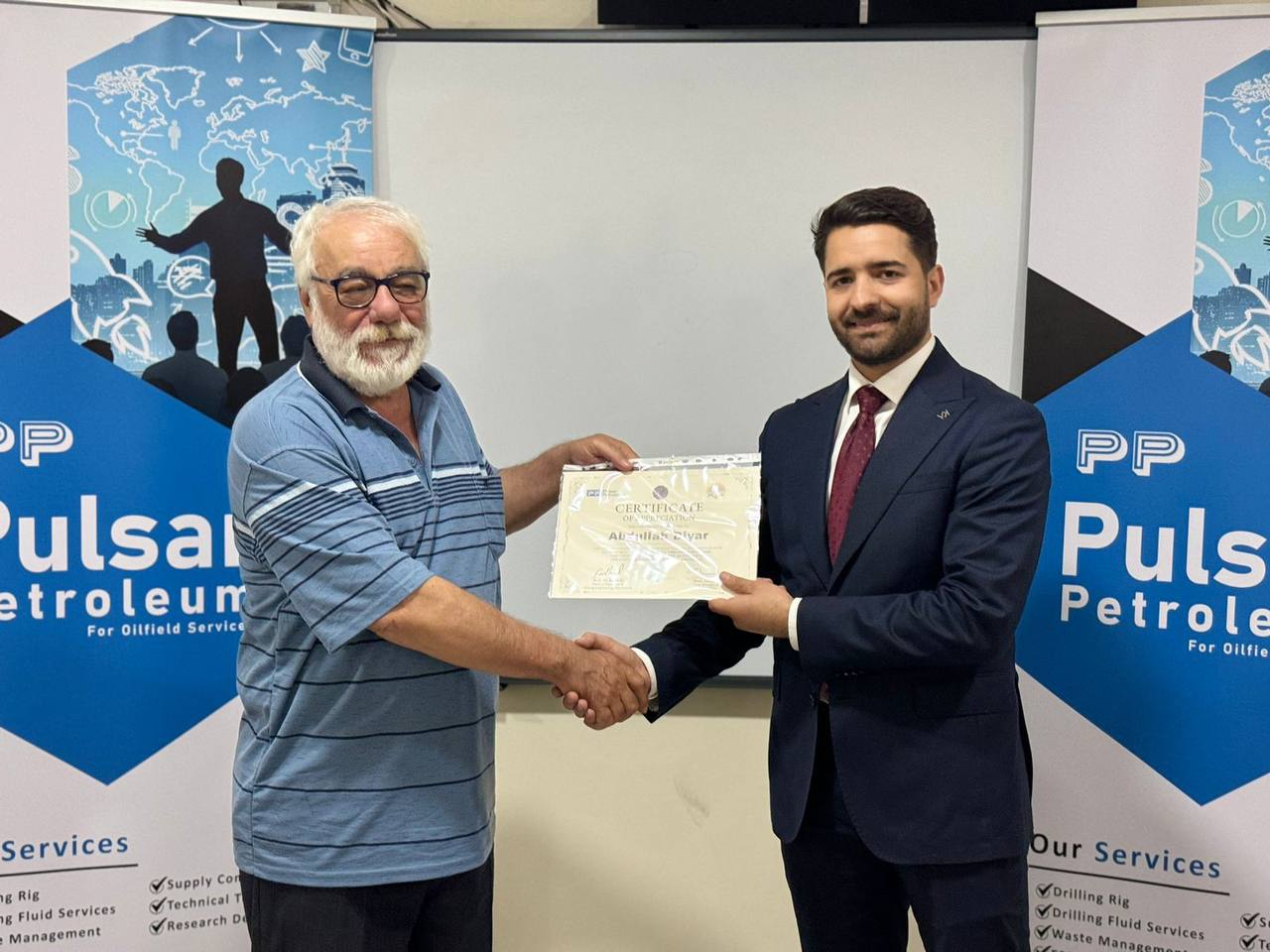
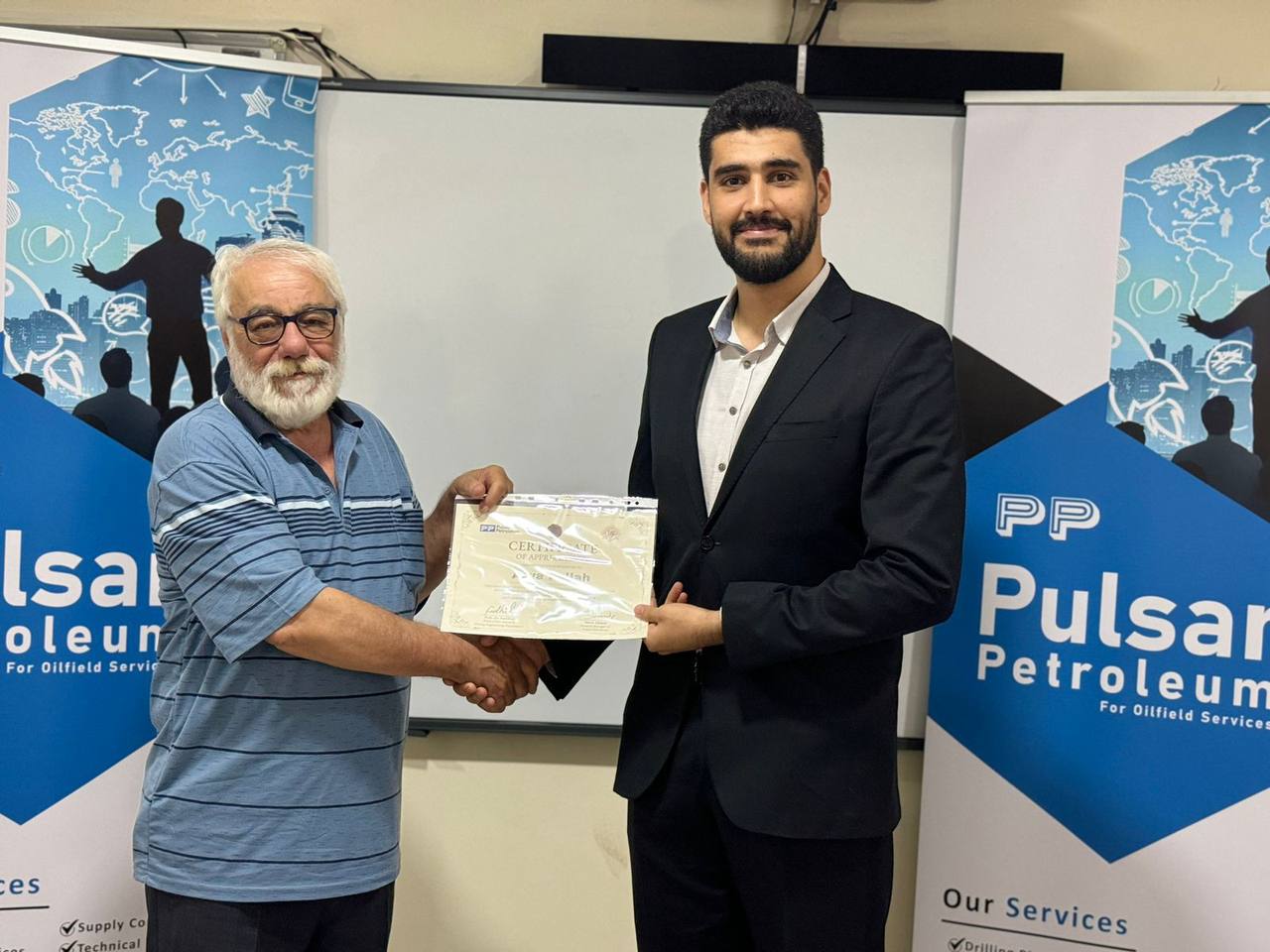
As part of the Industrial Committee’s duties in the Petroleum and Mining Engineering Department, Faculty of Engineering at Tishk International University (TIU), Pulsar Petroleum, in partnership with TIU, recently held a comprehensive course entitled “Drilling Fluid School.” The course was specifically tailored to the requirements and interests of professionals in the oil and gas industry, and it consisted of a combination of theoretical lectures and practical sessions that span five intensive days.
The “Drilling Fluid School” was conducted on the TIU campus from May 19th to 23rd, 2024, and provided participants with comprehensive knowledge and practical experience in the field of drilling fluids. This knowledge is essential for the safety and efficiency of drilling operations. The course attracted a diverse group of experts, including drilling engineers, fluid engineers, geologists, and specialists from various sectors within the oil and gas industry, with an attendance of over 400 participants. The overall experience was further enhanced by the rich learning and networking environment that was fostered by this diverse mix.
Course Summary
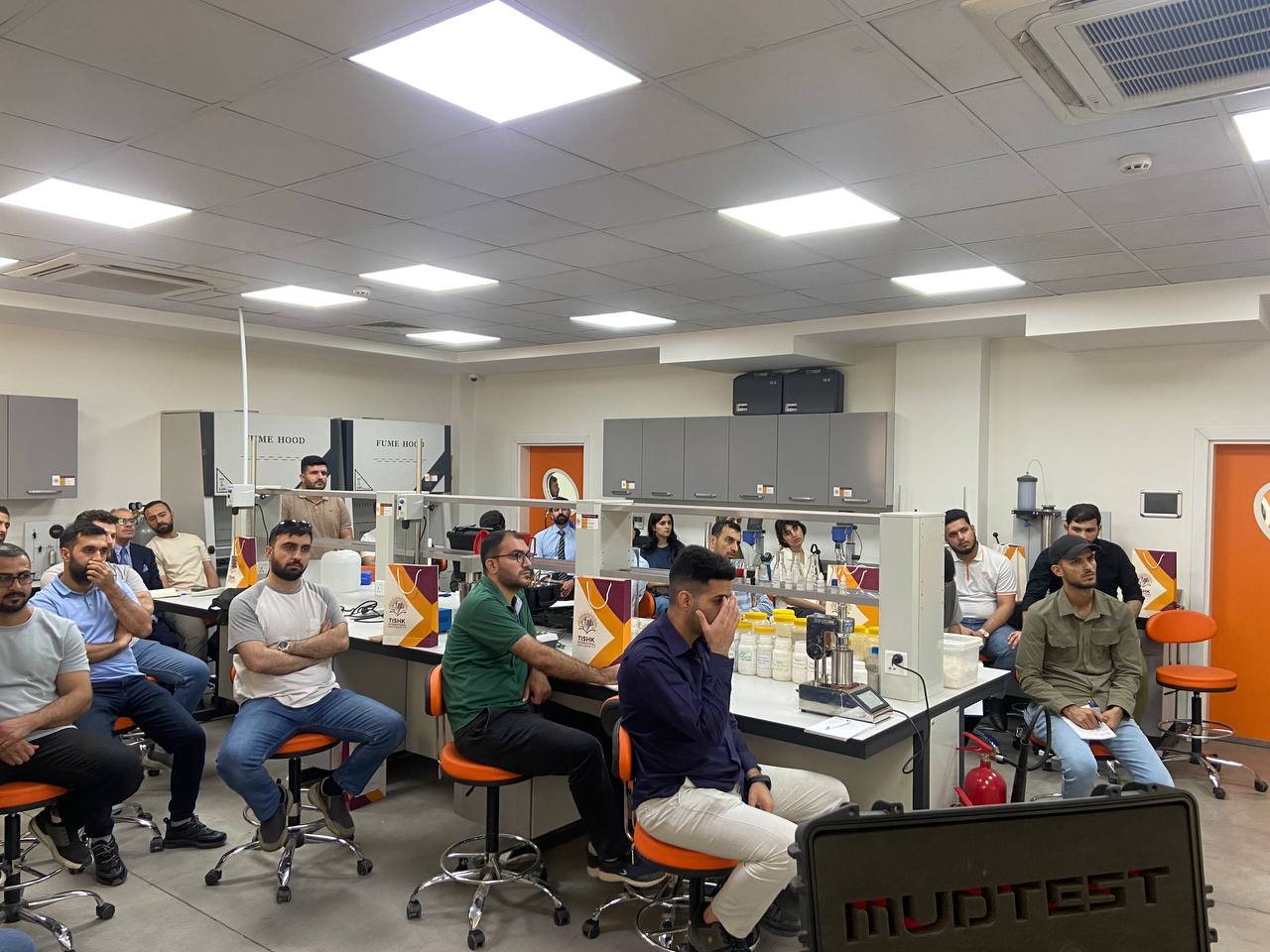
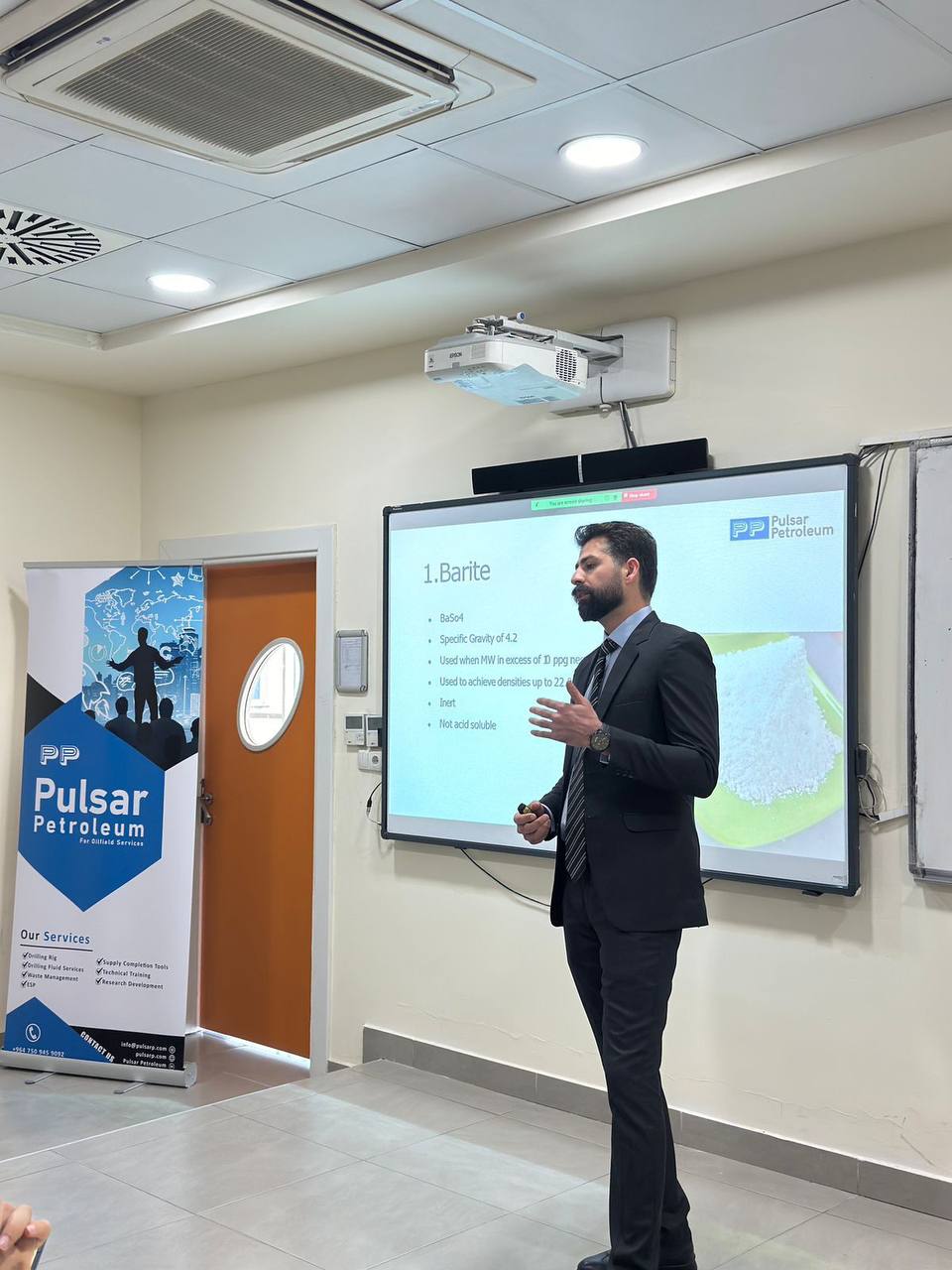
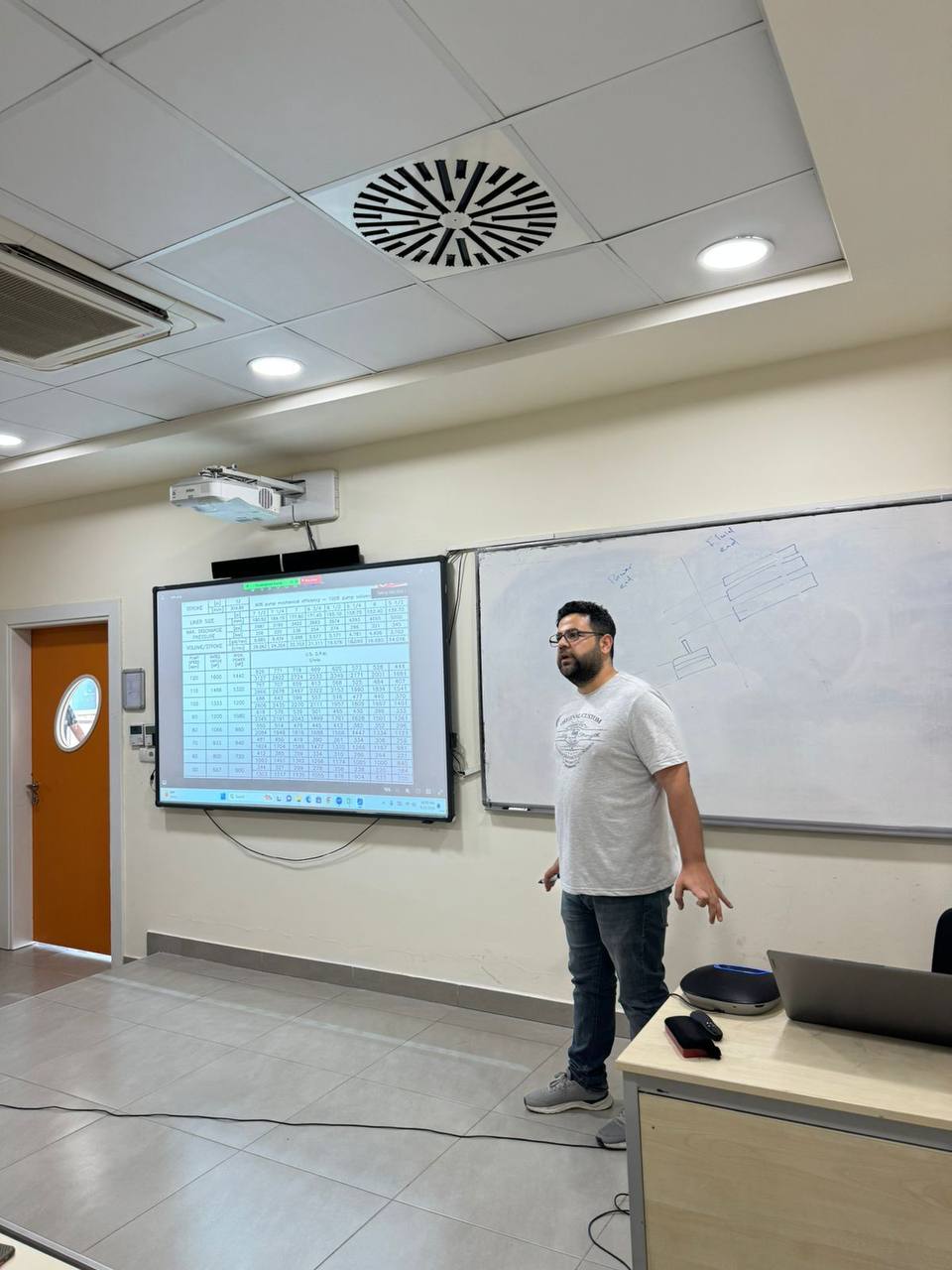
Students were equipped with a comprehensive understanding of the principles and applications of drilling fluids through the course’s theoretical component. The lectures addressed critical subjects, including the properties and functions of drilling fluids, fluid selection and formulation, the role of drilling fluids in wellbore stability, and advanced technologies in fluid management. The content of these sessions was both relevant and cutting-edge, as it was delivered by seasoned industry professionals and academic experts.
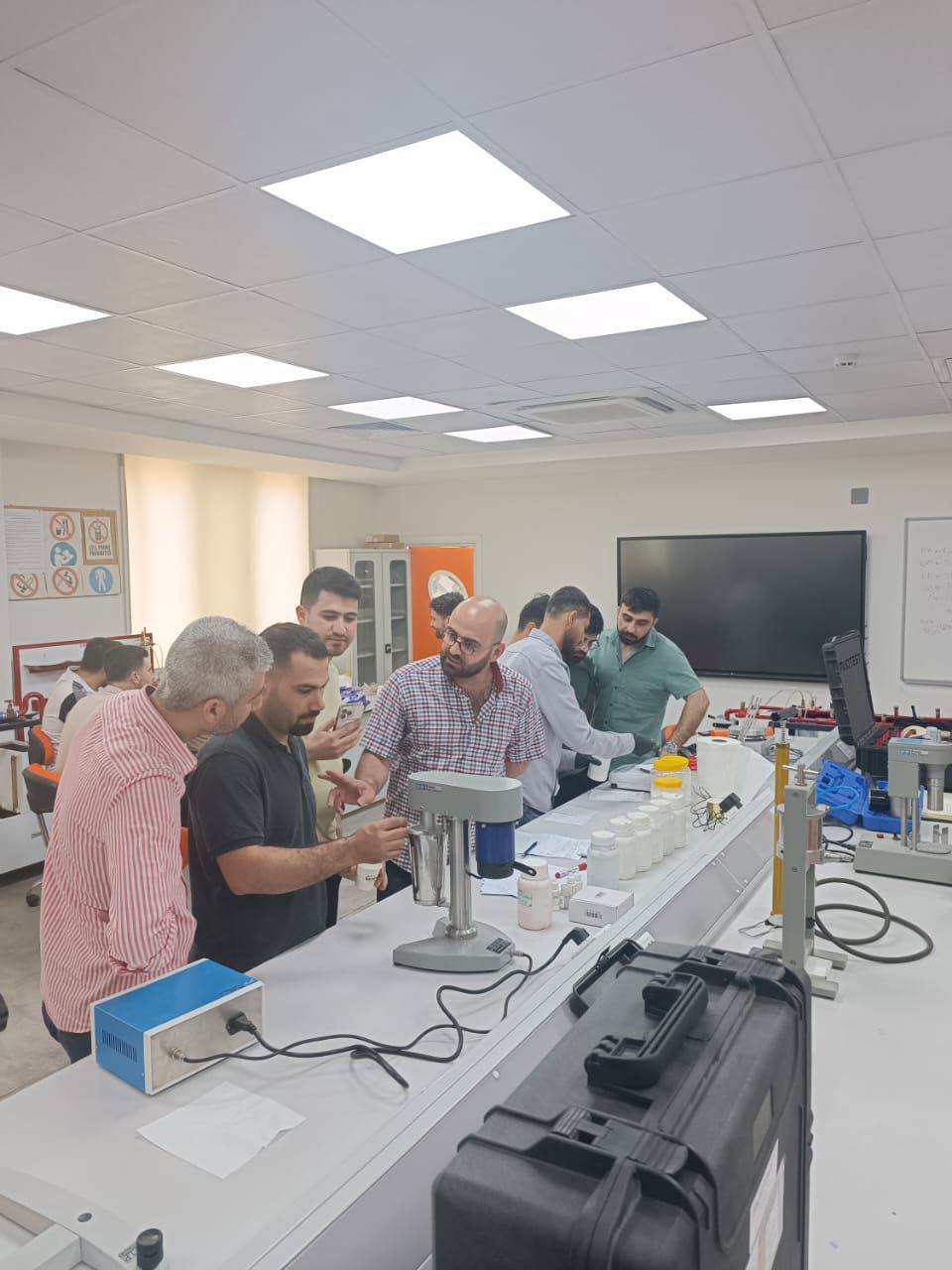
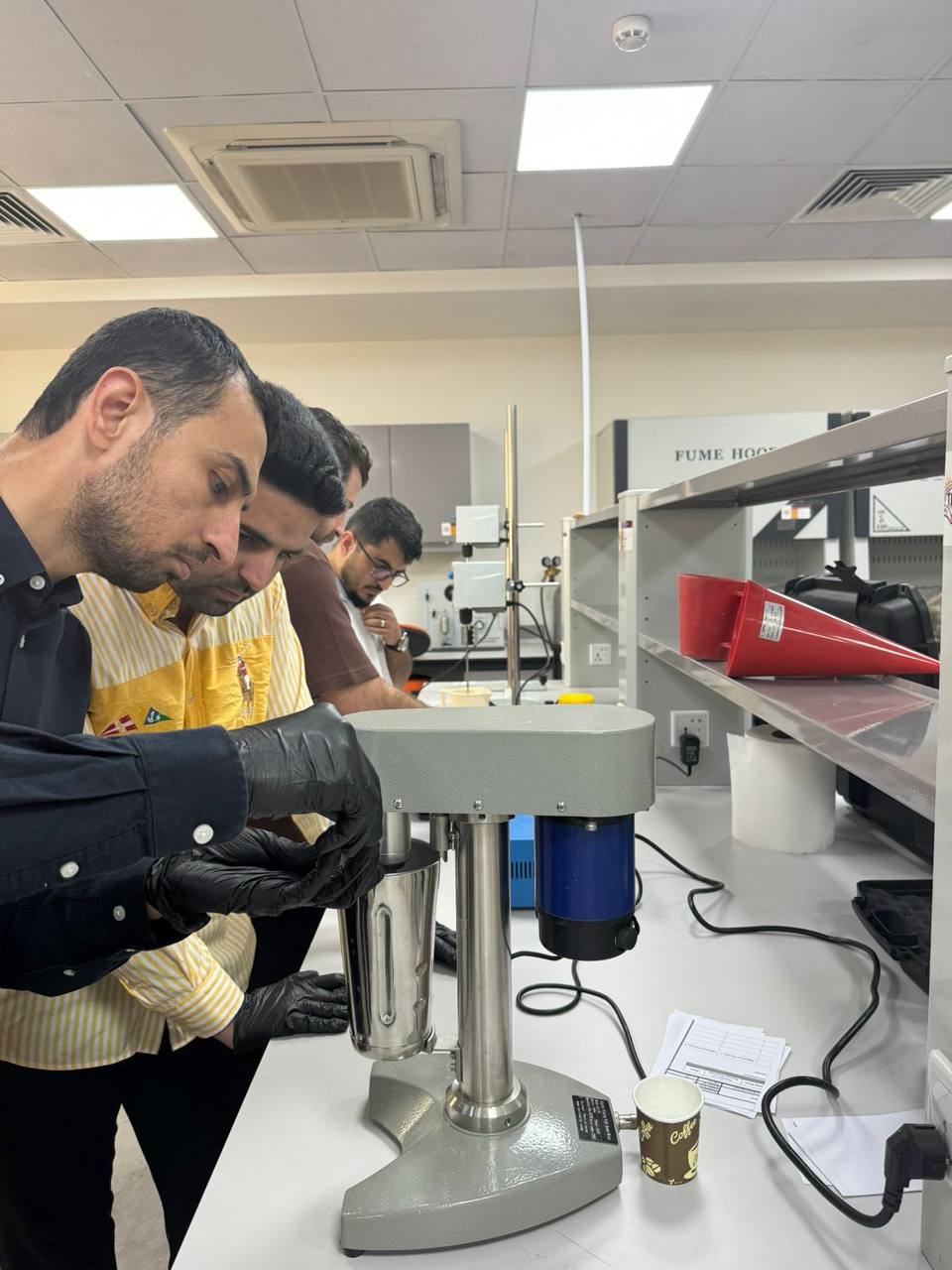
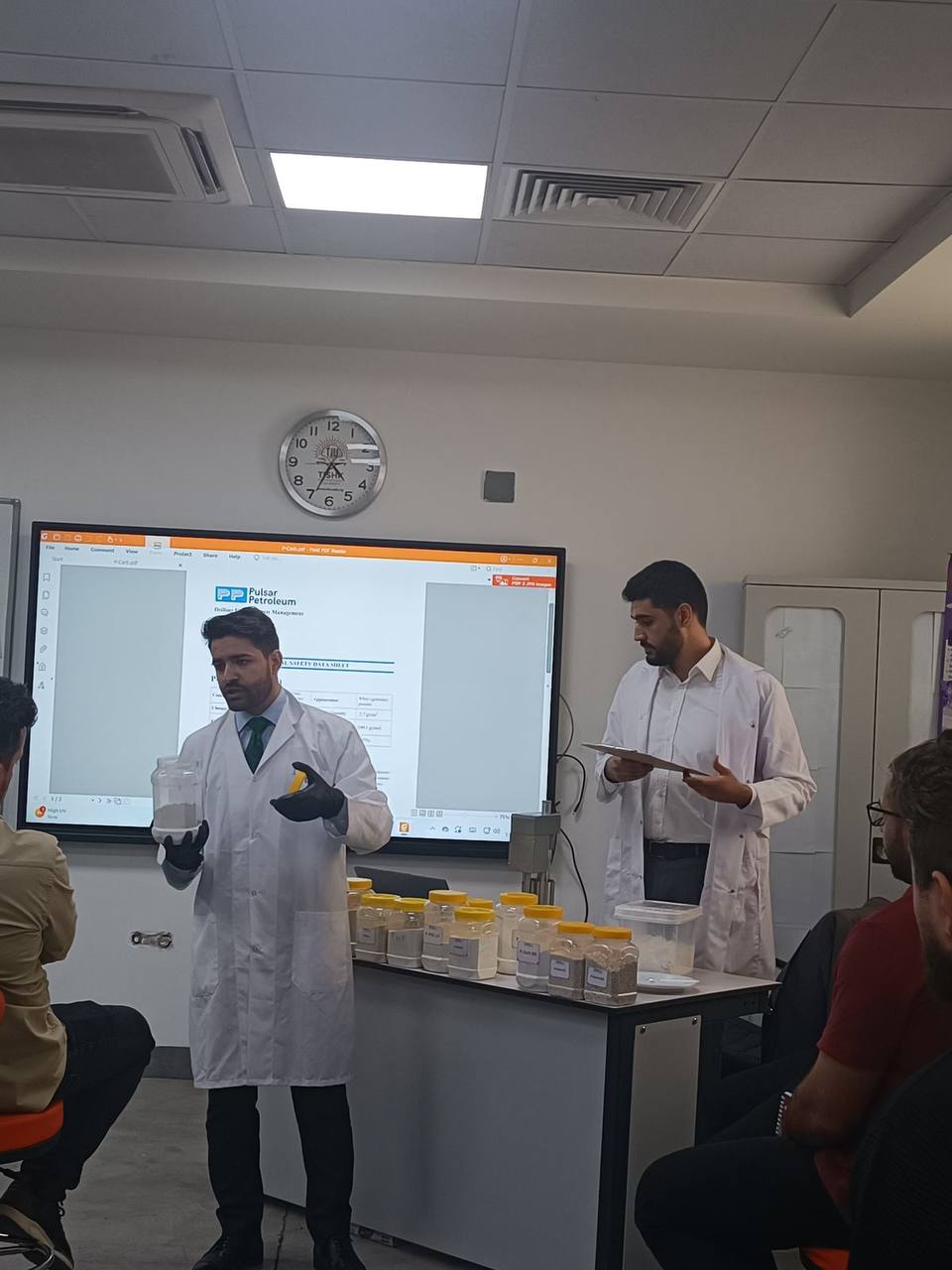
In addition to the theoretical sessions, the practical component enabled participants to interact directly with the materials and techniques that were discussed. Laboratory experiments, chemical handling, and demonstrations of the most recent tools and technologies employed in the field were among the hands-on activities. The purpose of these practical sessions was to reinforce the theoretical knowledge that had been acquired, thereby equipping attendees with the necessary skills and a more profound comprehension of how to apply this knowledge in real-world situations.
Day 1: Drilling Fluid Functions and Engineering
Examination of the diverse functions of drilling fluids, such as the cooling and lubrication of the drill bit, the transportation of cuttings to the surface, and the preservation of wellbore stability. The engineering aspects of the project included the design and selection of drilling fluids that were suitable for the specific operational needs.
Day 2: Drilling Fluid Properties and Types
An overview of the physical and chemical properties of various types of drilling muds (e.g., water-based, oil-based, synthetic-based) and the impact of these properties on drilling performance.
Day 3: Formulations and Types of WBM
A comprehensive examination of the composition, formulation strategies, and various types of water-based mud (WBM) to optimise their performance in a variety of drilling conditions and environments.
Day 4: Optimisation of Drilling Fluid and Solid Control
Exploration of the techniques and equipment used to remove undesirable solids from drilling fluids, as well as strategies for optimising drilling fluid performance to reduce costs and improve drilling efficiency.
Day 5: Contamination of Drilling Fluid
The identification and management of common contaminants in drilling fluids, their sources, and the impact of contamination on drilling operations. Methods for the identification, prevention, and mitigation of contamination issues.
The theoretical lectures and practical sessions were led by engineers from Pulsar Petroleum, who possess a wealth of practical experience accumulated over time. The learning experience was significantly improved by their extensive practical knowledge and real-world insights, which provided participants with a more profound understanding of drilling fluids and their applications.
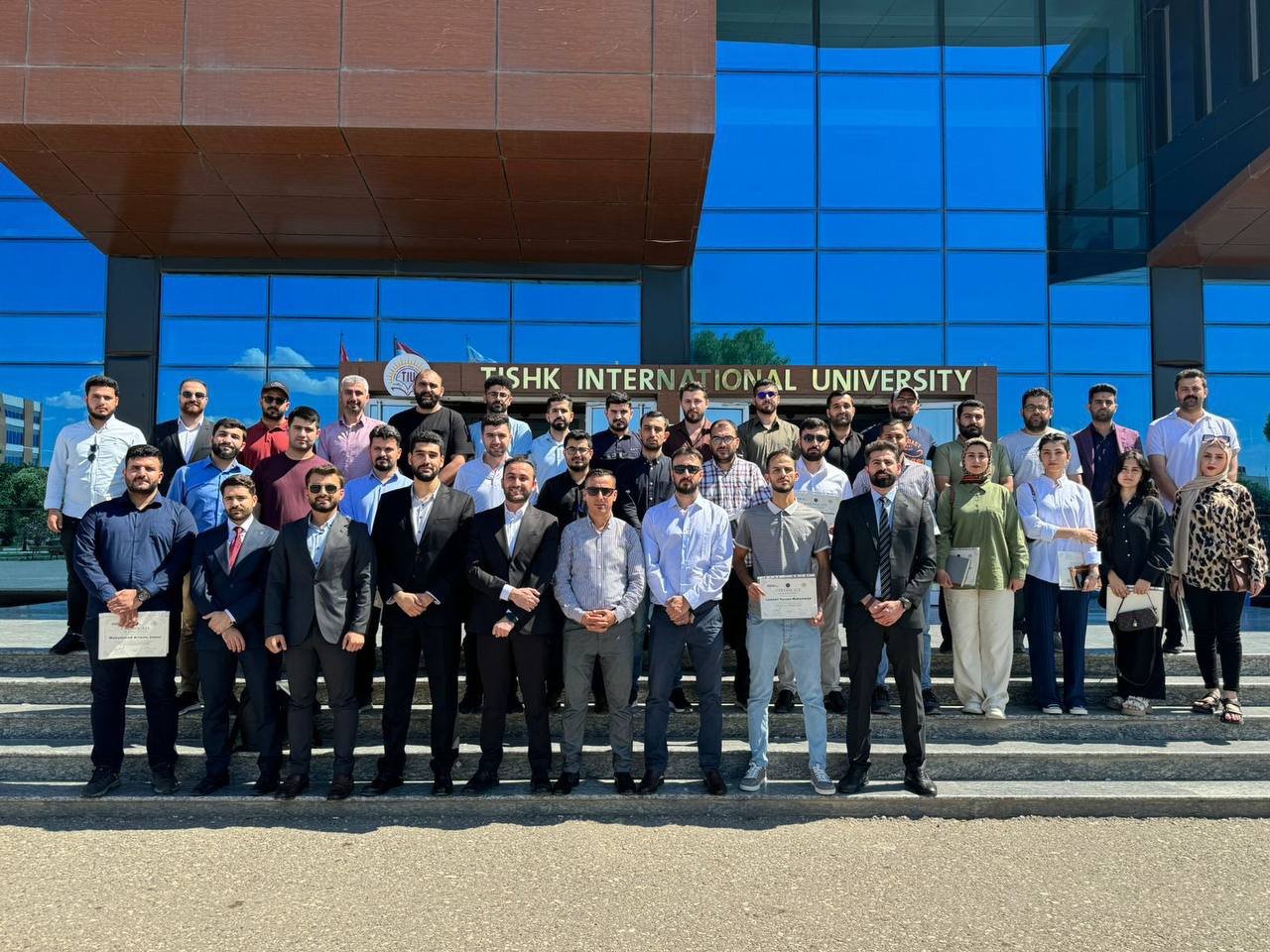
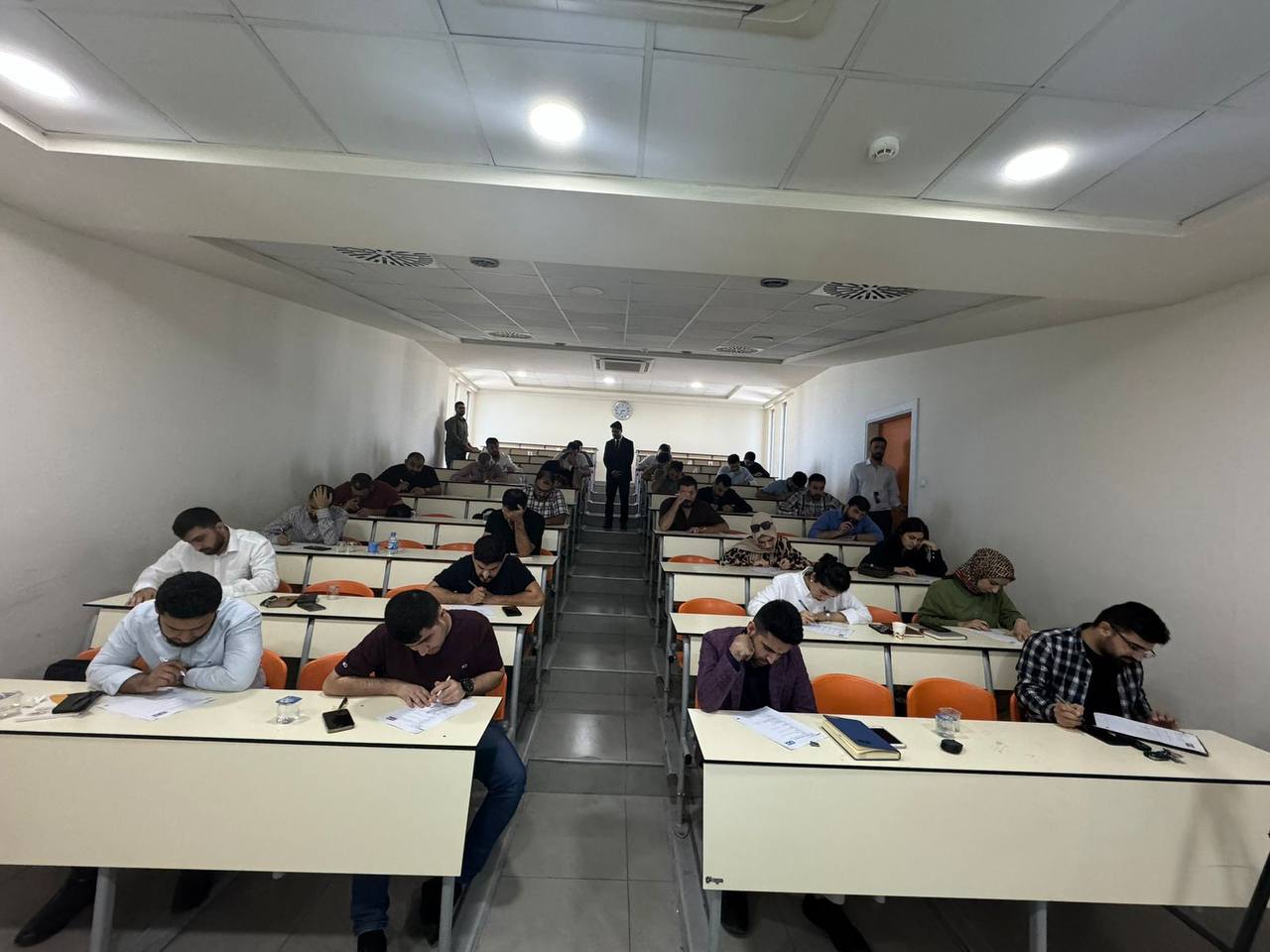
A group of 41 participants, including students and assistant lecturers from TIU and experts from the oil and gas industry, attended the course. This combination of perspectives and expertise facilitated a thorough examination of the course material, as well as the development of engaging discussions and valuable networking opportunities.
The course was a joint endeavour between TIU and Pulsar Petroleum. The course content was relevant and in accordance with industry standards as a result of Pulsar Petroleum’s extensive knowledge and experience in drilling fluids. The academic foundation and facilities required for the course were provided by TIU, in addition to staff support from the Department of Petroleum and Mining Engineering.
Keywords: Engineering Education, Training, Course, Participation, University Students, Students, Collaboration, Teachers