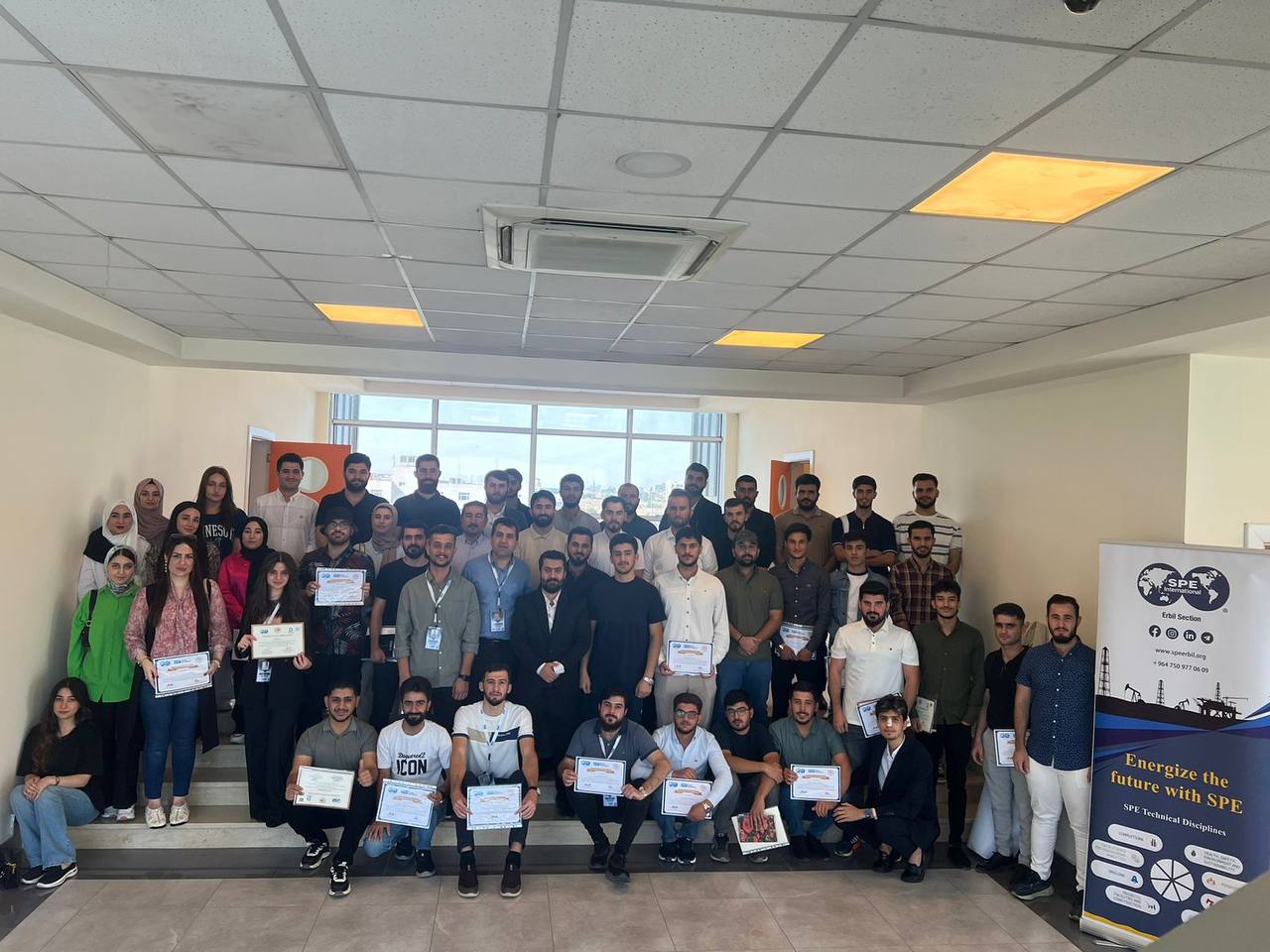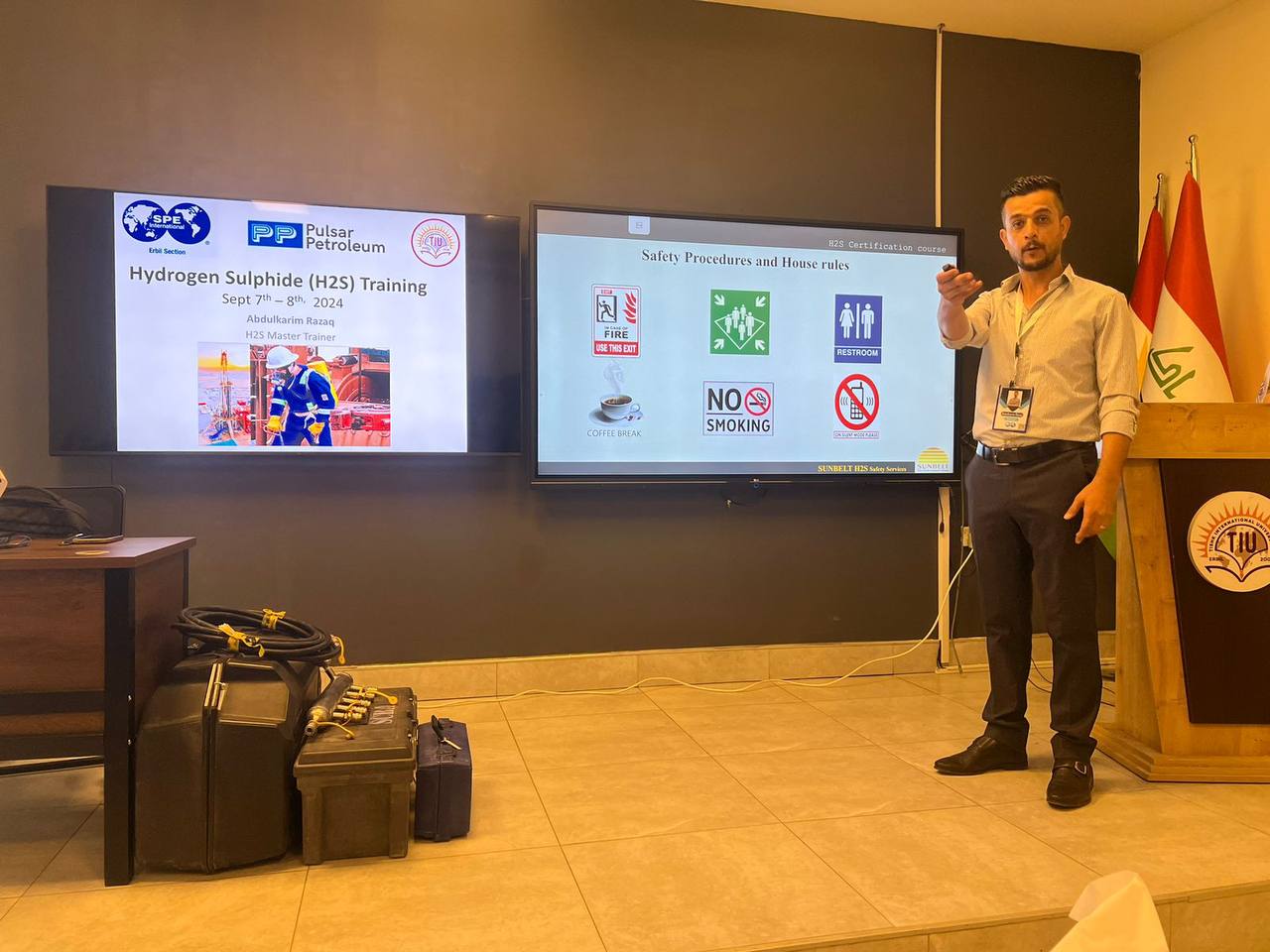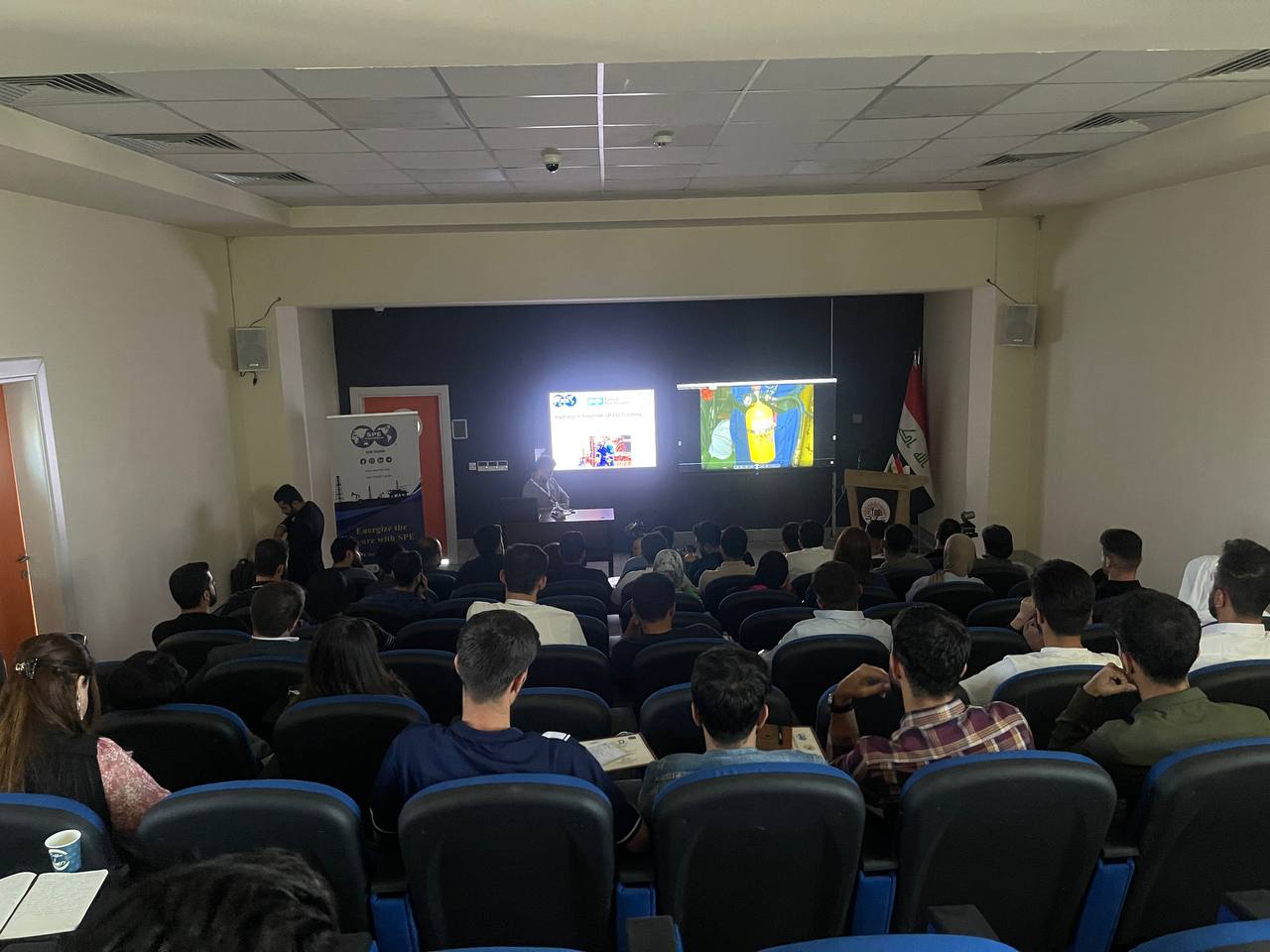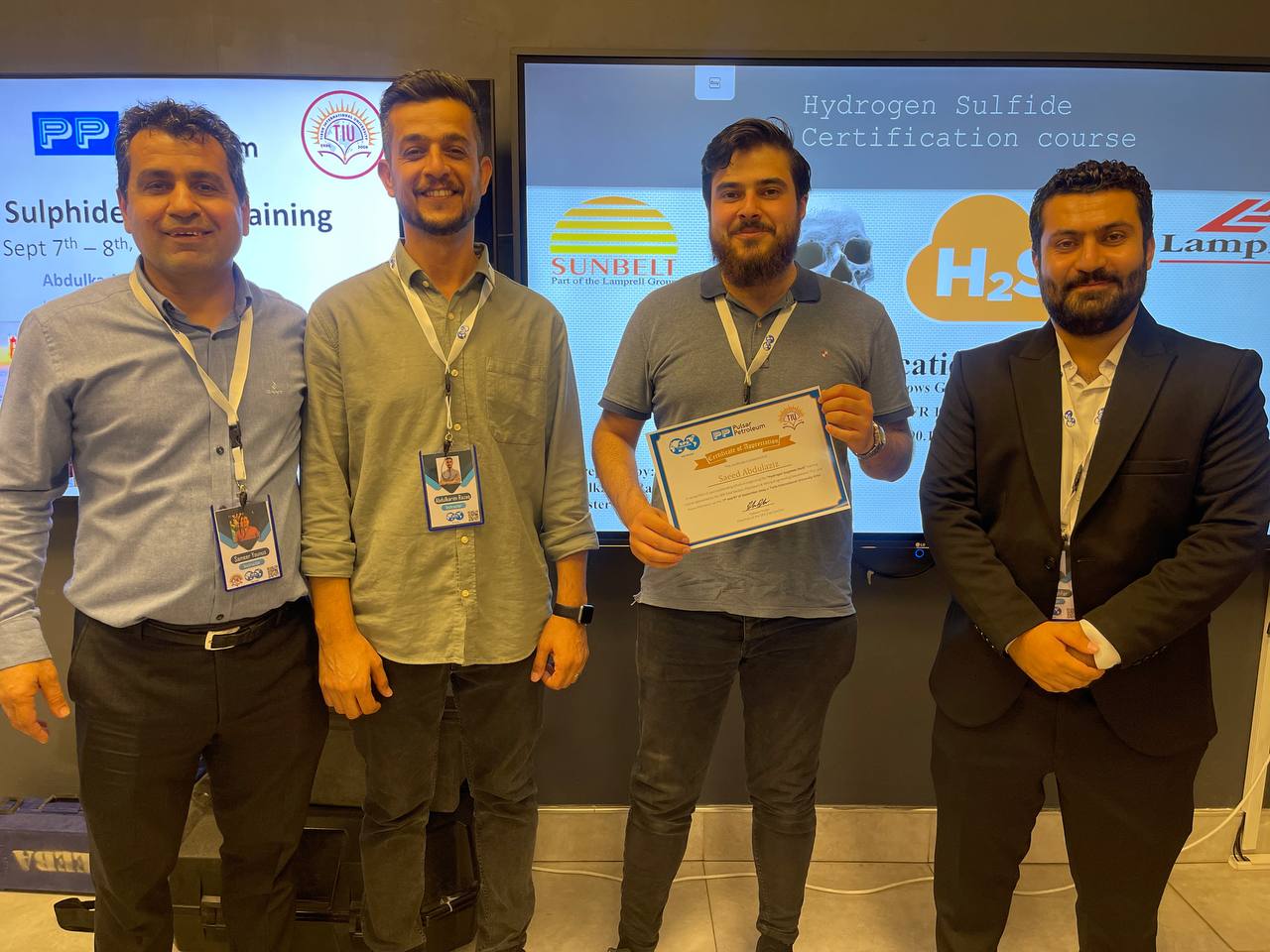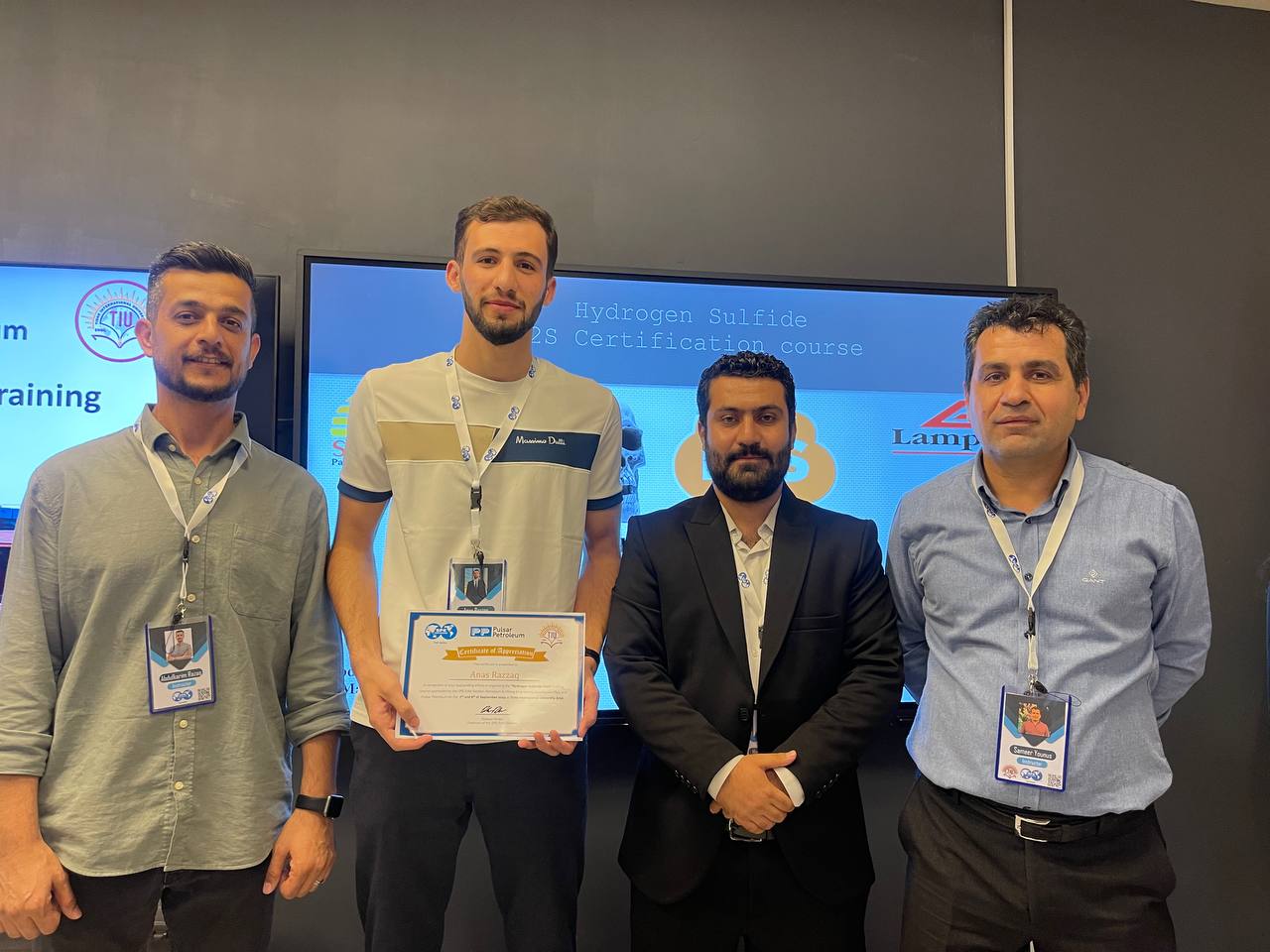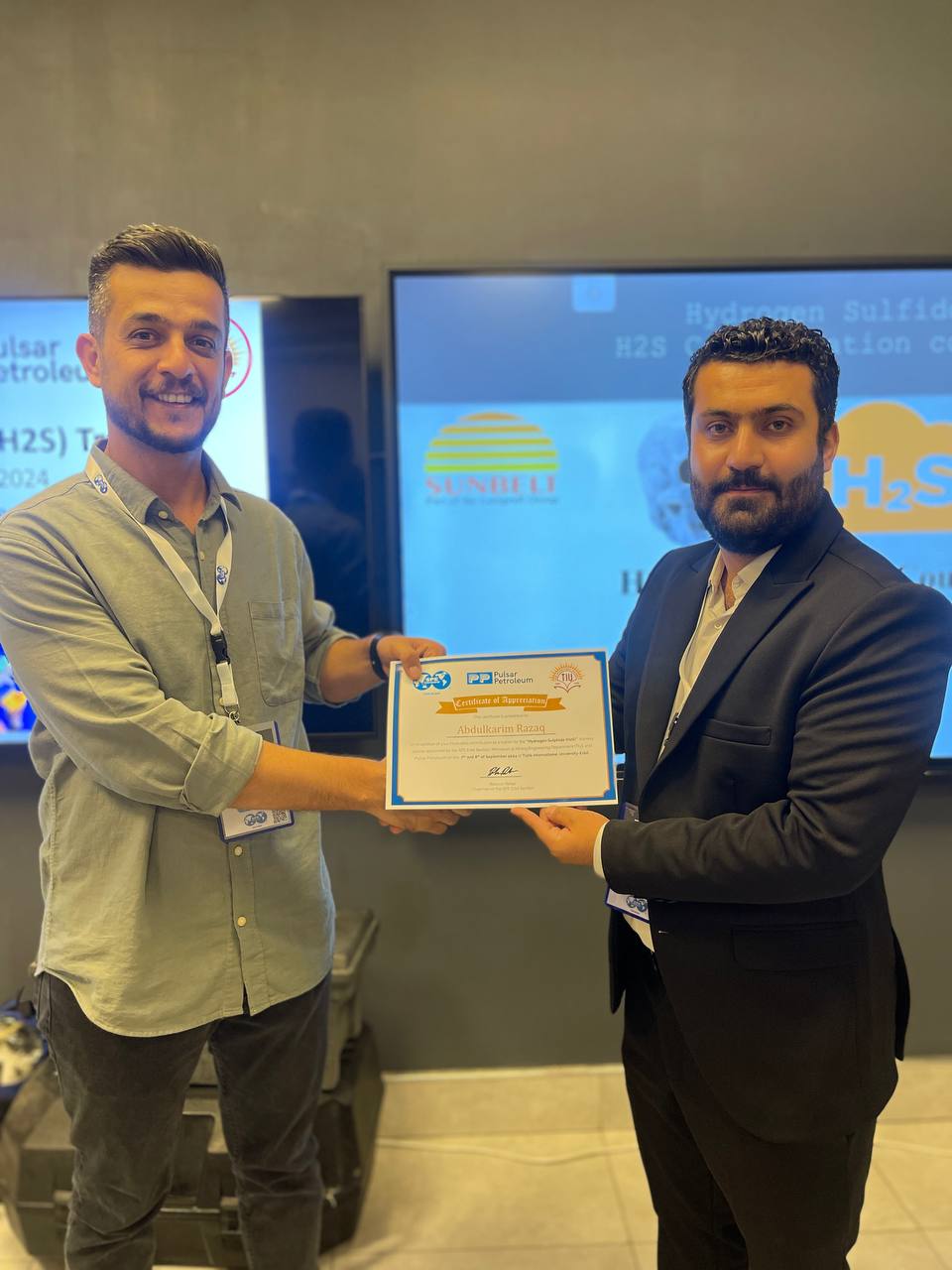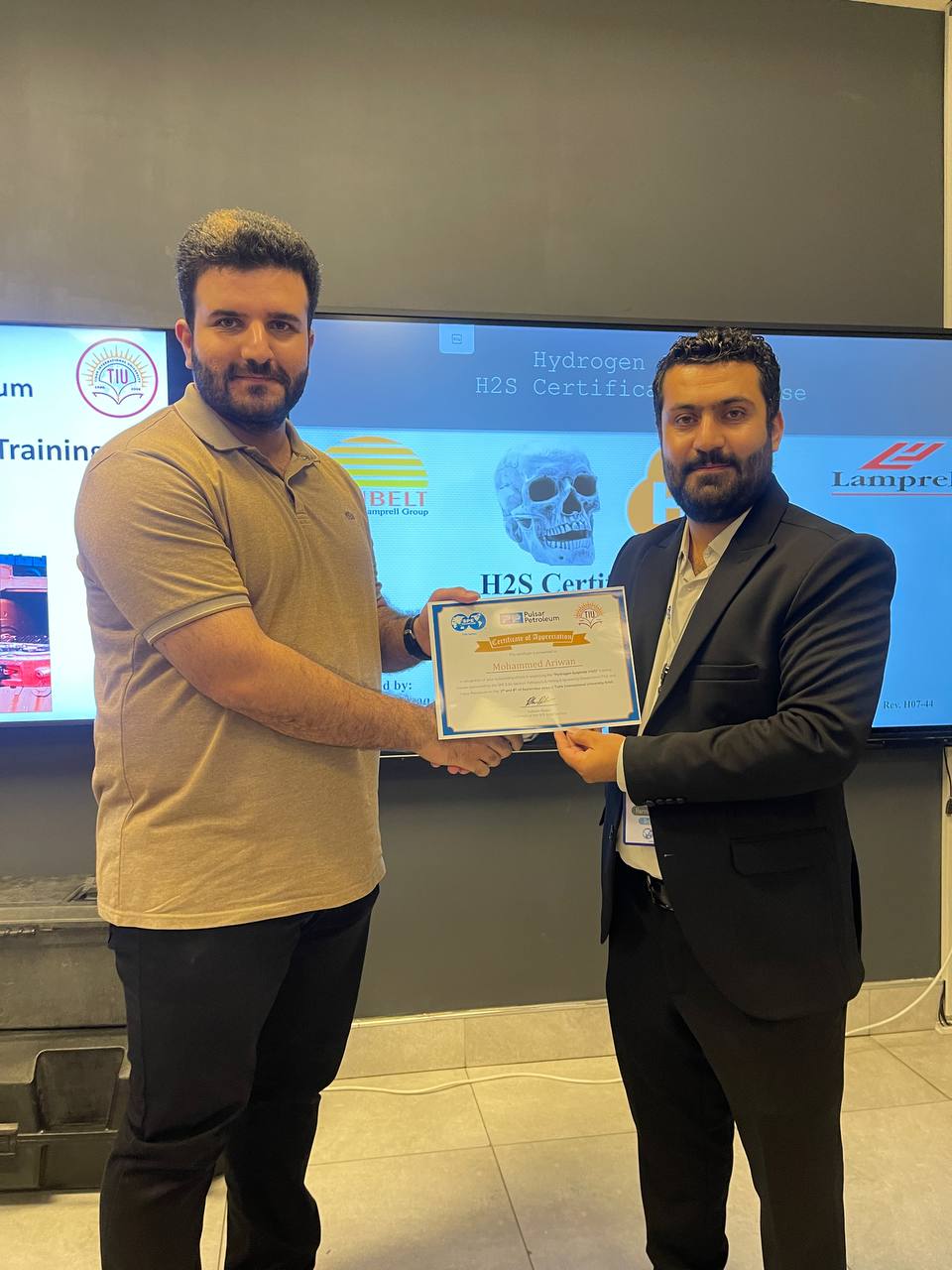
As part of the ongoing series of professional training programs organized by the Petroleum and Mining Engineering Department, Faculty of Engineering at Tishk International University (TIU), a two-day training course on Hydrogen Sulfide (H2S) was held on September 7th and 8th, 2024. This course, organized in collaboration with Pulsar Petroleum and the Society of Petroleum Engineers (SPE) Northern Iraq Section, reflects the continuous efforts of the department, particularly through its Industrial Committee, to deliver high-quality, practical training to students and professionals in the oil and gas industry.
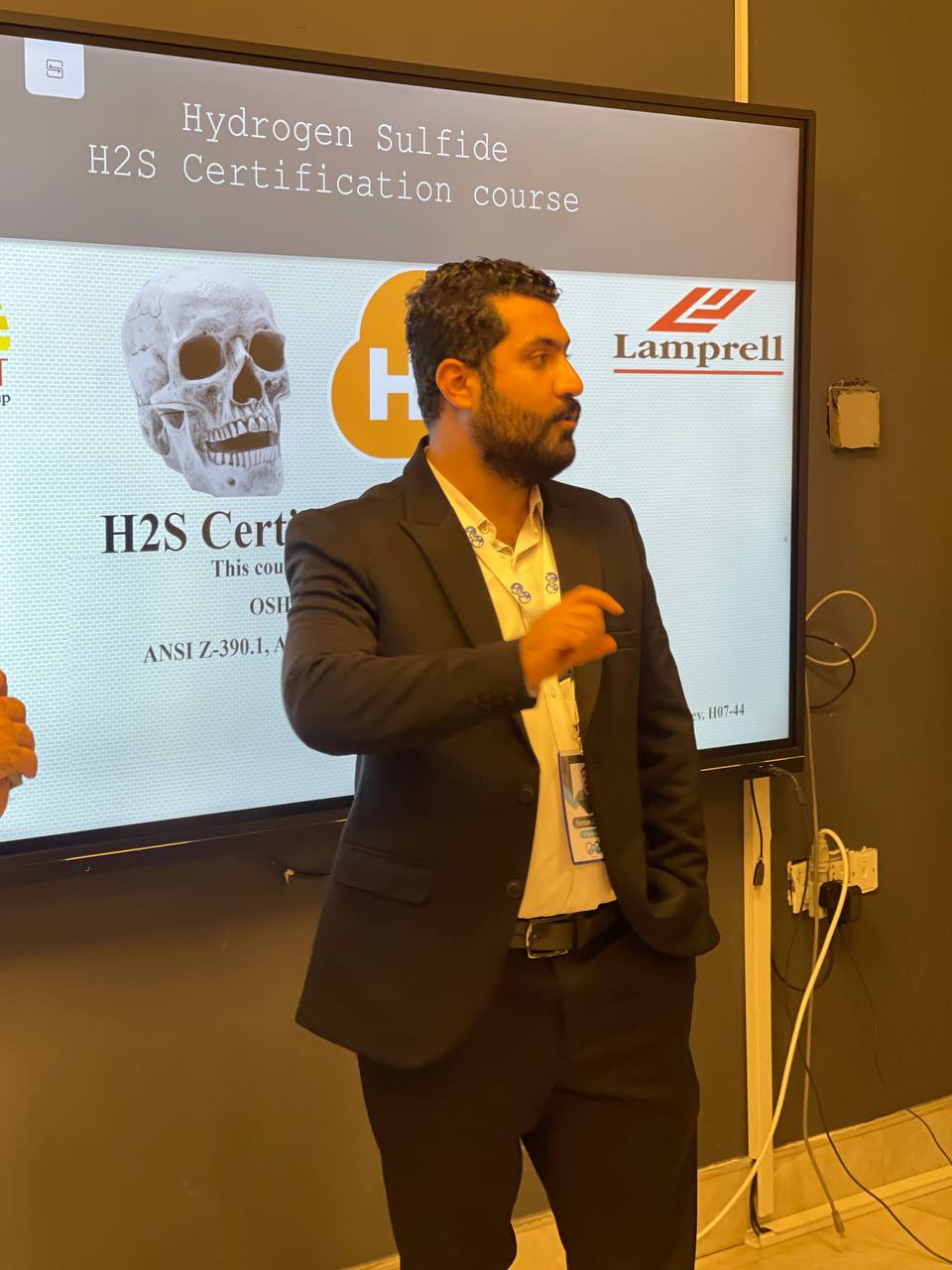
The H2S Awareness Training, instructed by Mr. Abdul Karim Razzak, an H2S Master Trainer, provided in-depth knowledge on hydrogen sulfide—a highly hazardous gas commonly found in the oil and gas sector. Over the two days, the course covered key topics essential for workplace safety in environments where H2S exposure is a risk.
Course Breakdown
Day 1 (September 7, 2024):
- Introduction to H2S, focusing on its formation, common occurrence areas, chemical properties, and physiological effects.
- Workplace exposure limits, including Occupational Exposure Limits (OEL) and Workplace Exposure Limits (WEL).
Day 2 (September 8, 2024):
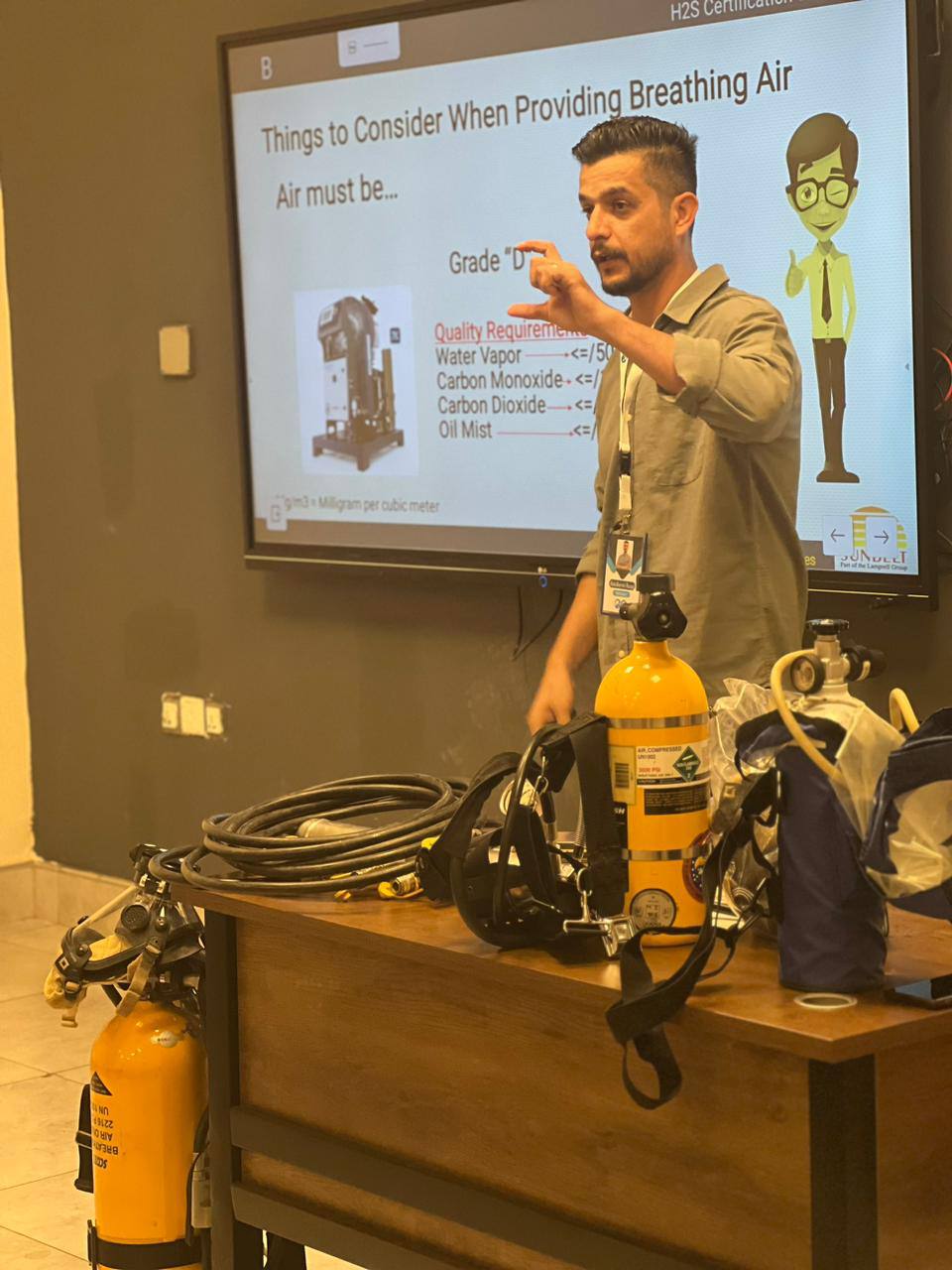
- Practical safety measures, including the use of H2S detection equipment such as personal detectors, Emergency Breathing Apparatus (EBA), Self-Contained Breathing Apparatus (SCBA), and Cascade Air Systems.
- H2S awareness exercises and emergency response simulations, with detailed debriefing sessions to ensure comprehensive learning.
Participation and Feedback
The training program attracted more than 50 participants, all of whom expressed a high level of interest and engagement throughout the course. The combination of theoretical knowledge and practical exercises provided valuable insights into H2S management and safety protocols.
Participants reported that they found the course highly beneficial, emphasizing the importance of being well-prepared for H2S-related hazards in the field. The expertise of Mr. Abdulkarim Razaq was particularly praised, with attendees noting the clarity and depth of his instruction.
Conclusion
This course marks another successful event in the department’s broader series of training programs aimed at enhancing industry-relevant skills among students and professionals. The Petroleum and Mining Engineering Department at TIU continues to work closely with Pulsar Petroleum and SPE Northern Iraq Section to deliver impactful, hands-on learning experiences that address critical topics in petroleum engineering and workplace safety.
The department extends its gratitude to Mr. Abdulkarim Razaq, the participants, and its valued partners for making this training a success.
Keywords: Engineering Education, Training, Teaching, Innovation, University Students, Students