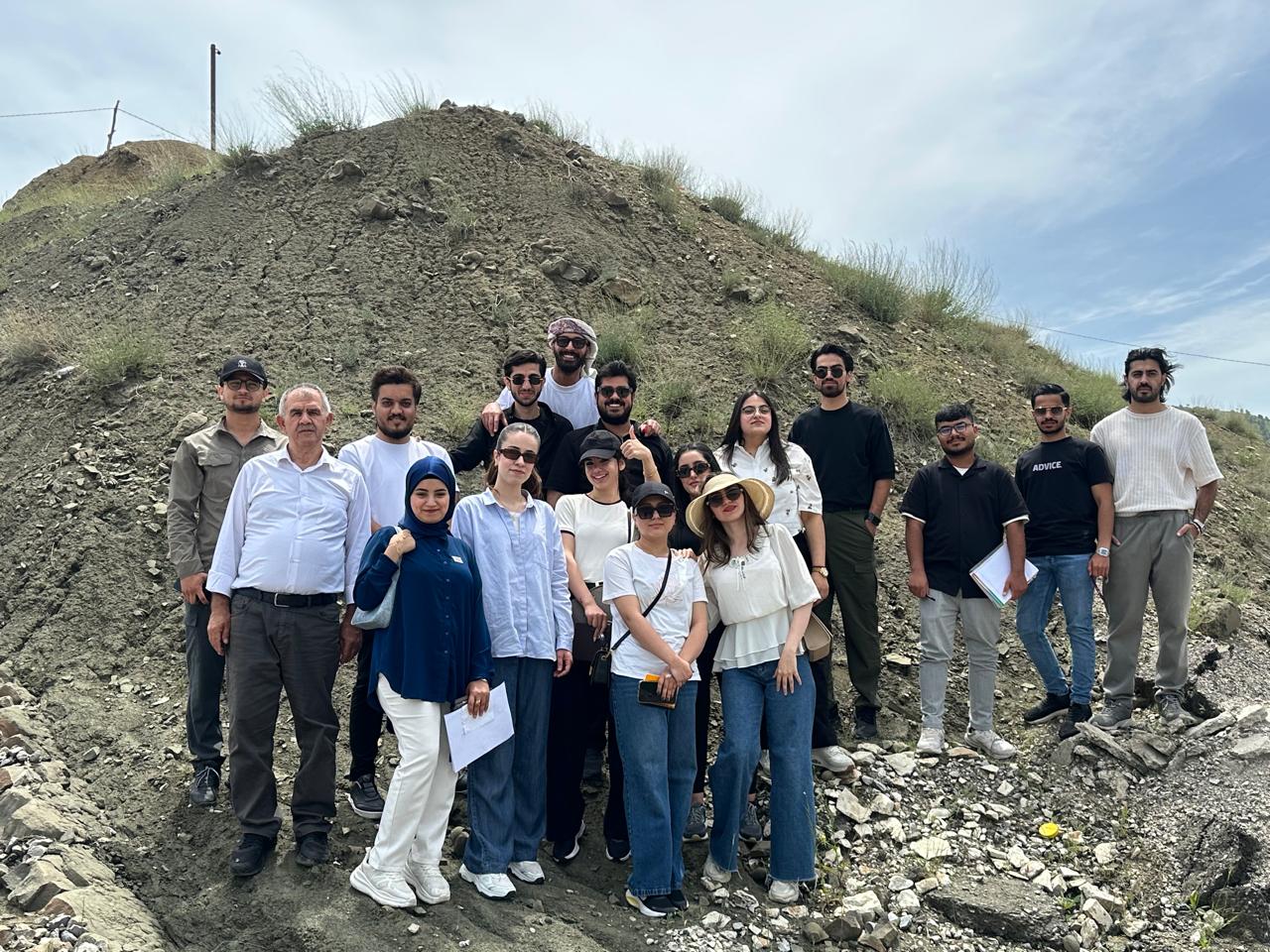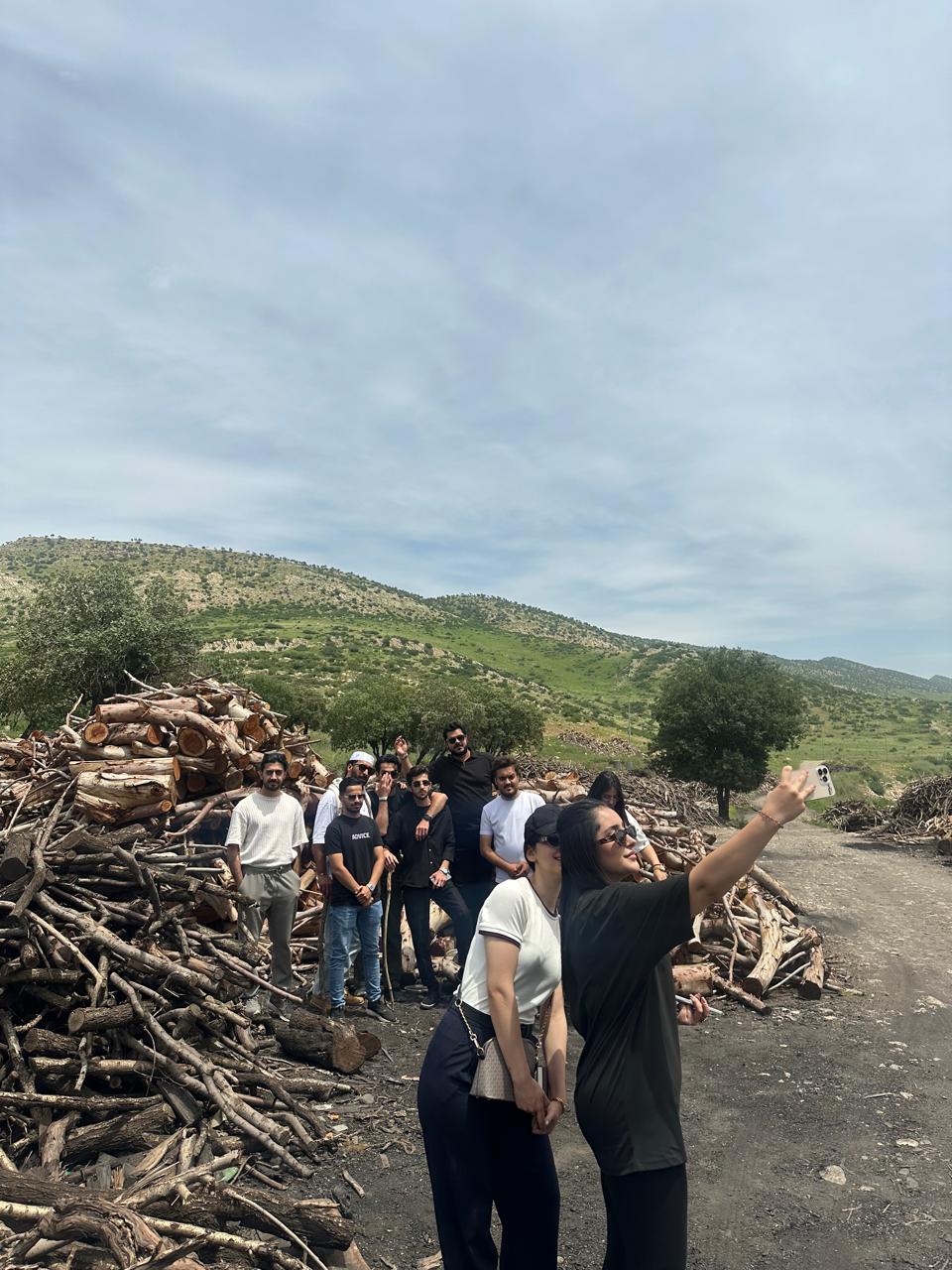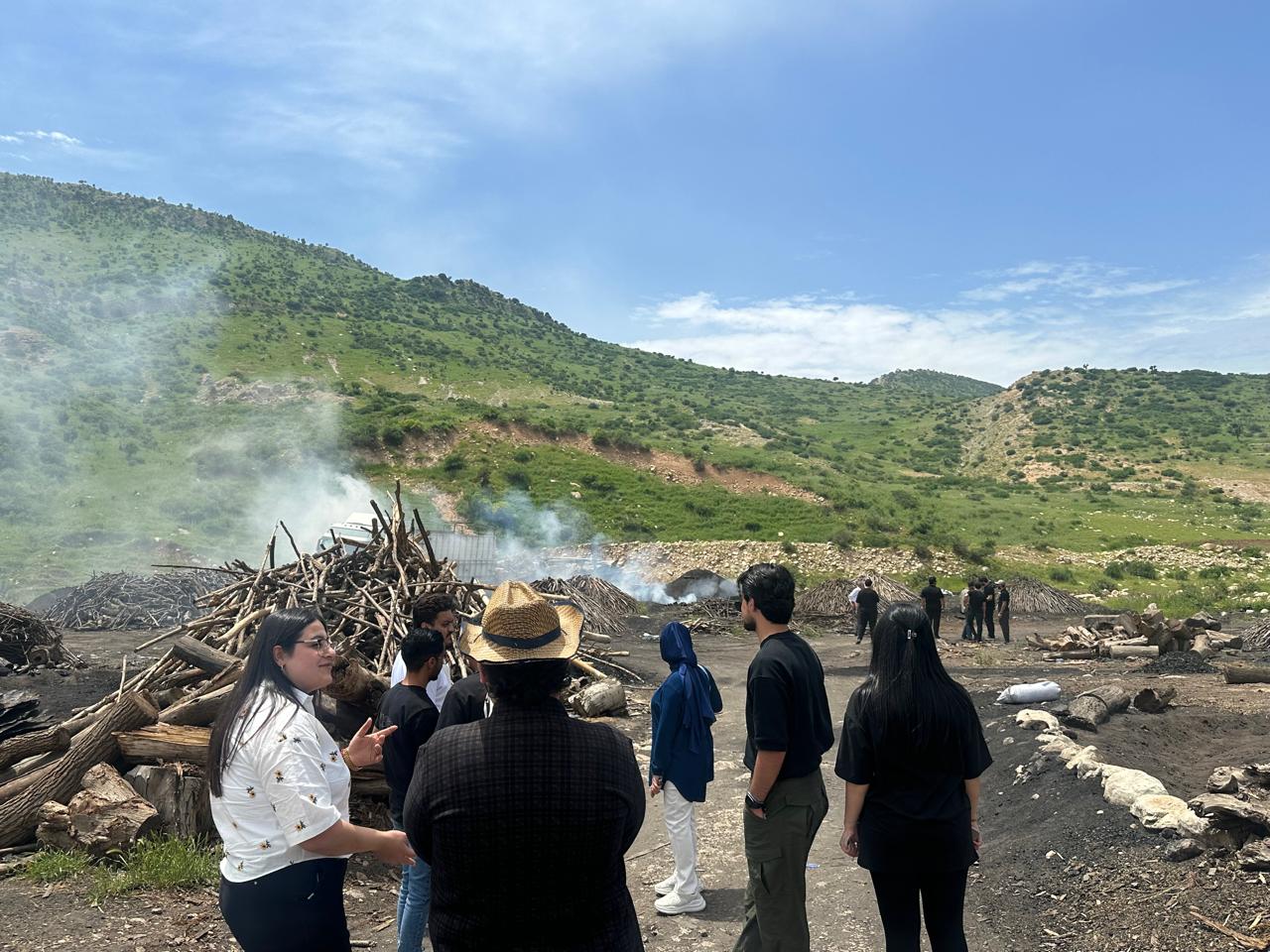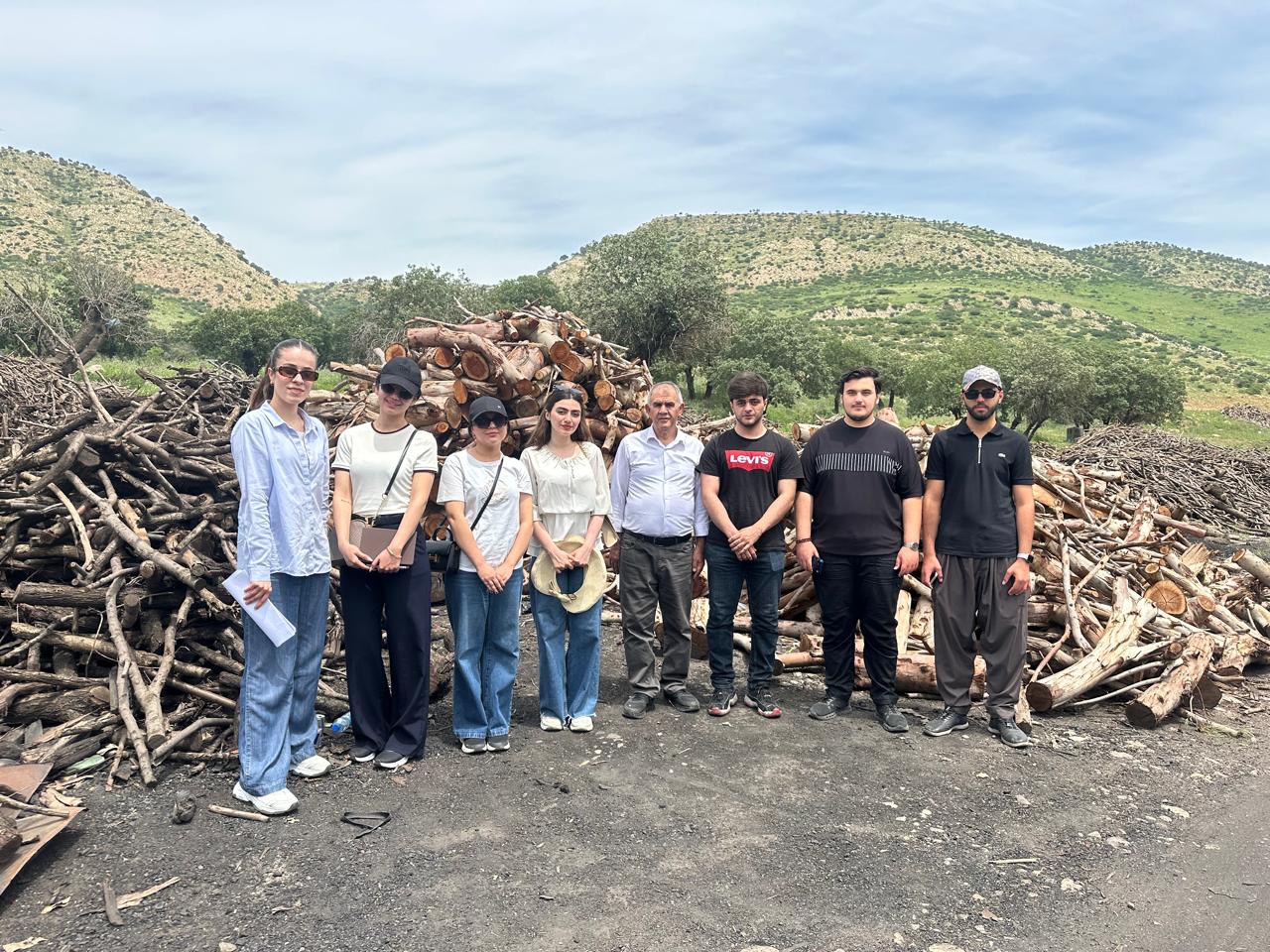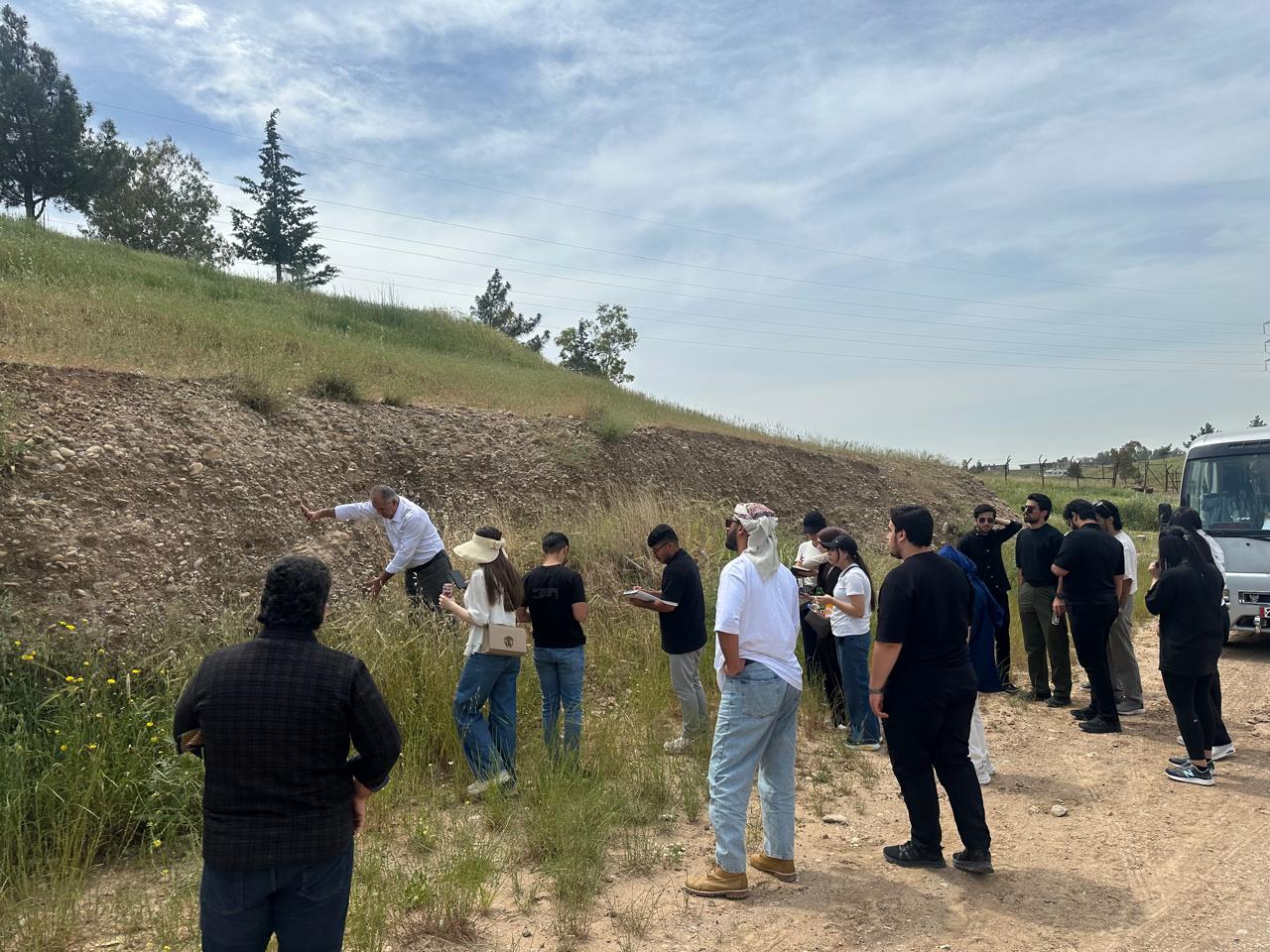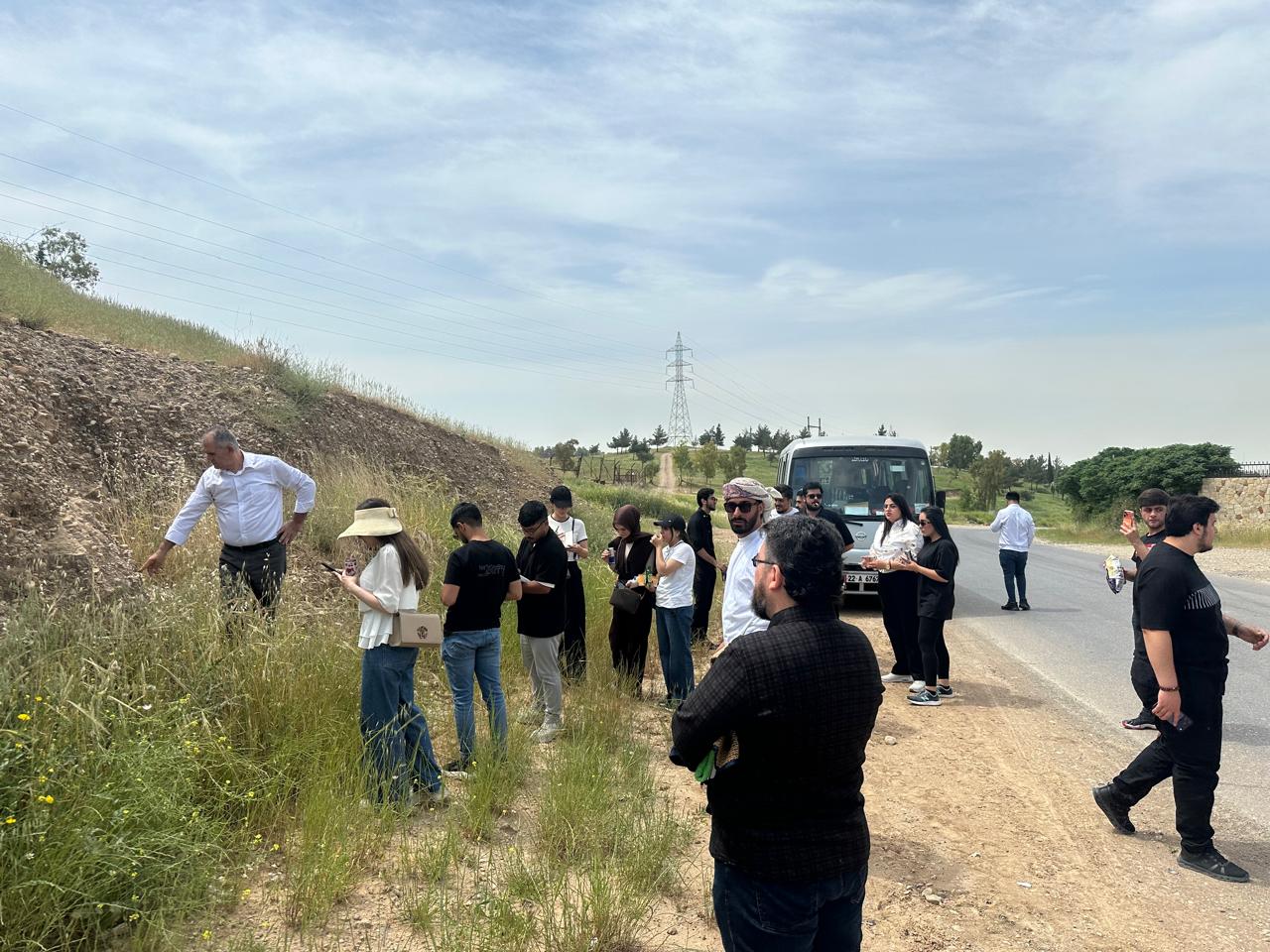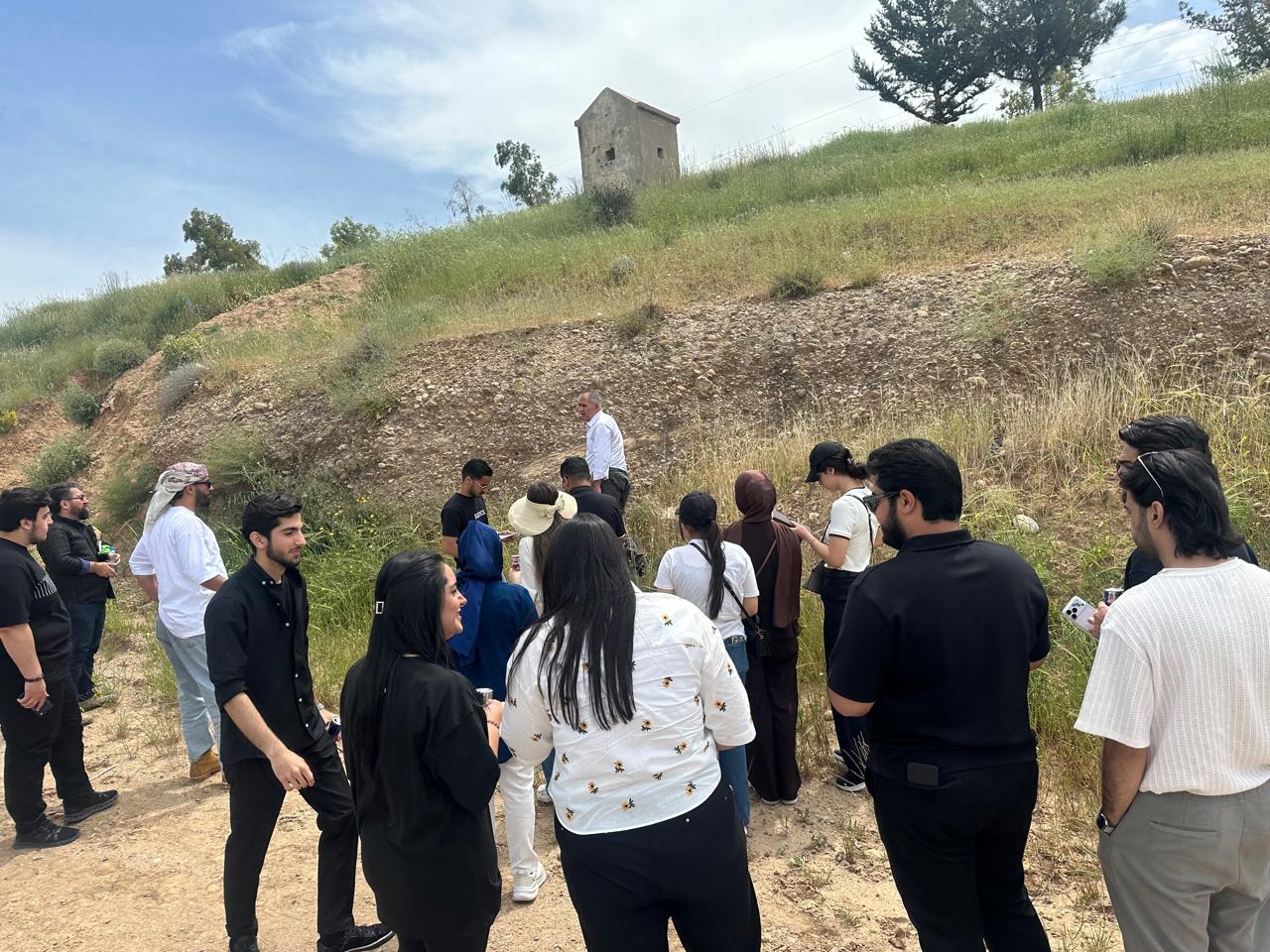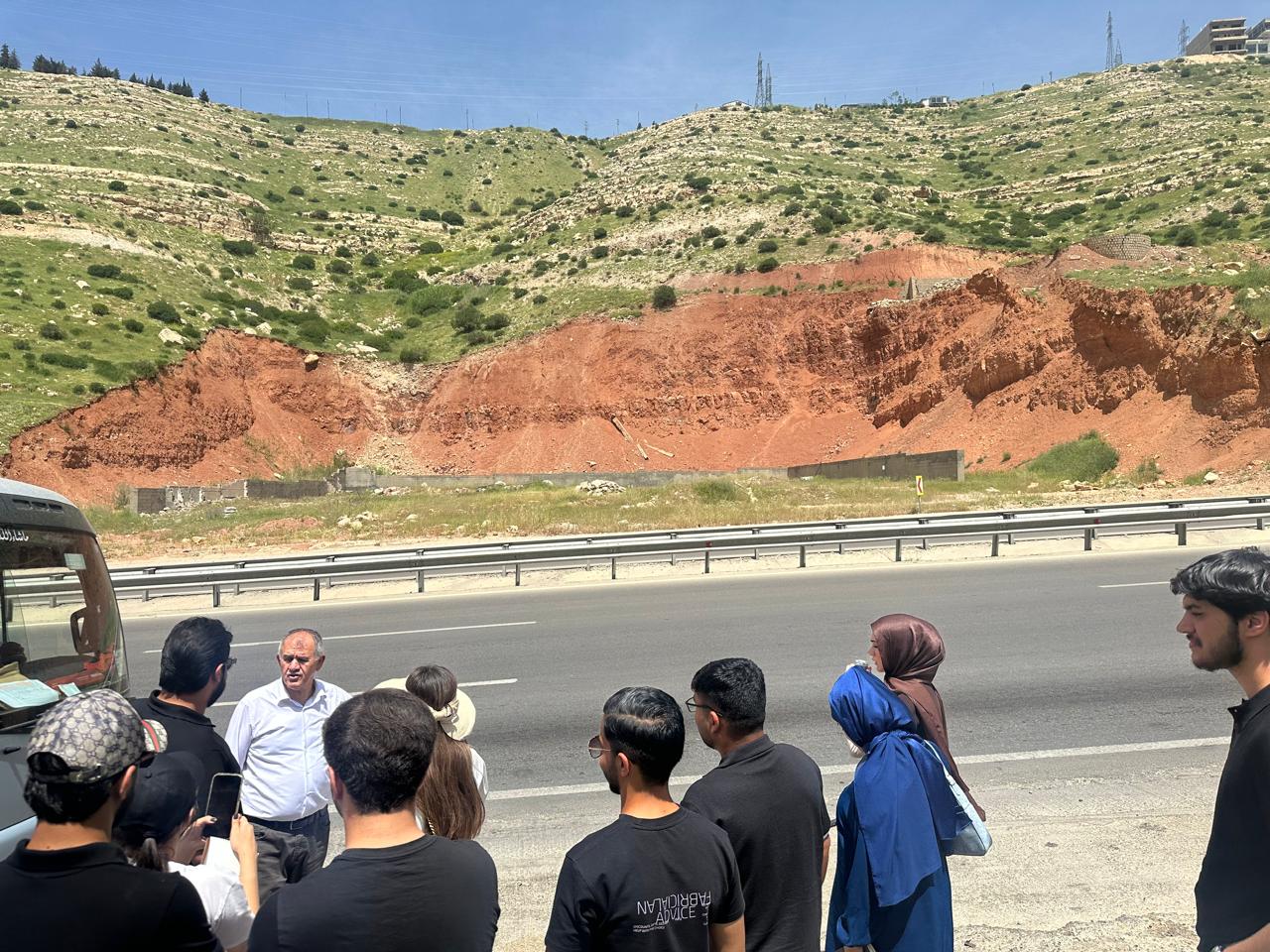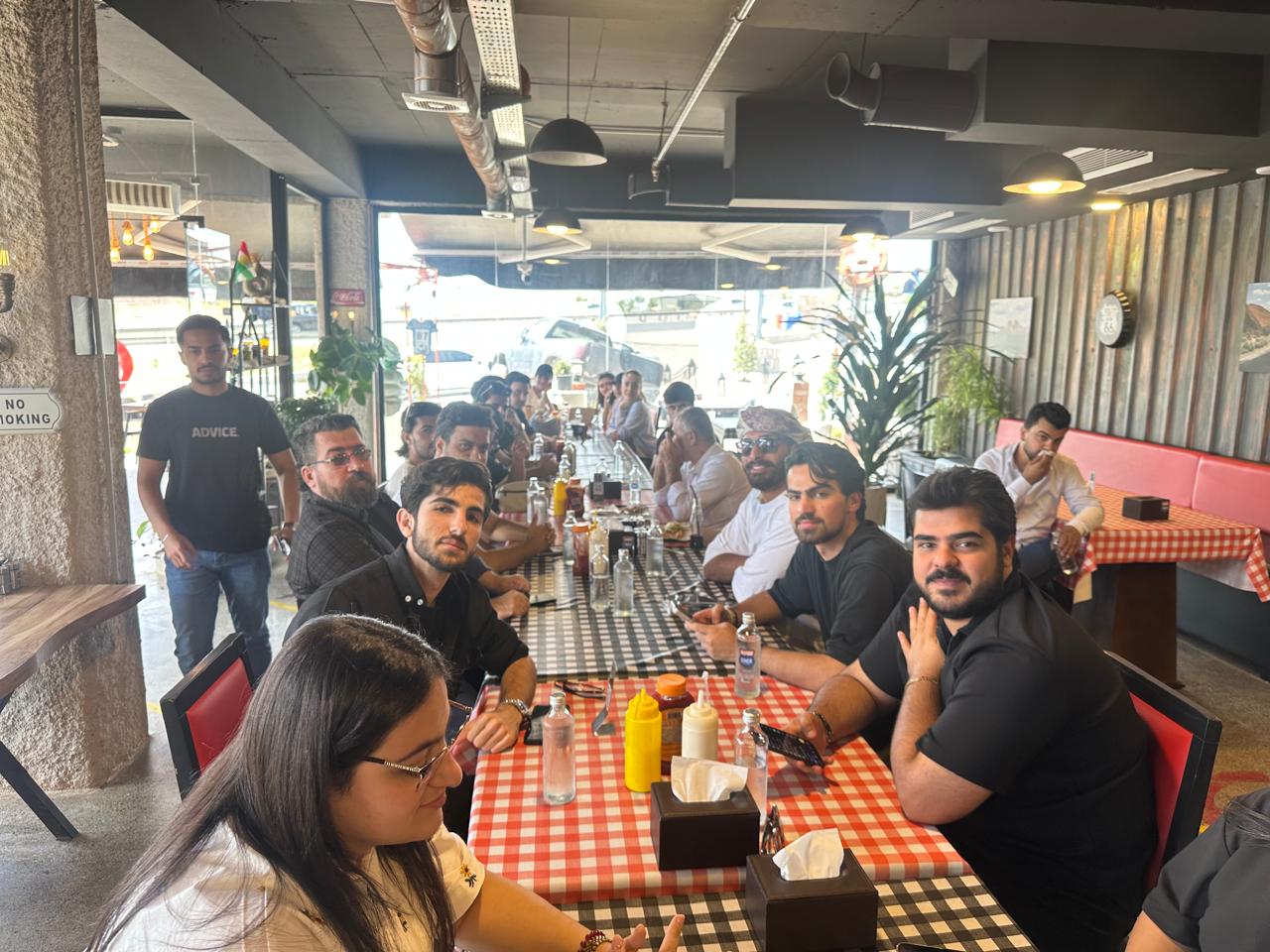
On Thursday, 14 May 2026, the Petroleum and Mining Engineering Department at Tishk International University organized a geological field trip to the Shaqlawa area for second-year students. This scientific activity aimed to strengthen students’ practical understanding of petroleum geology and geological formations through direct field observation.
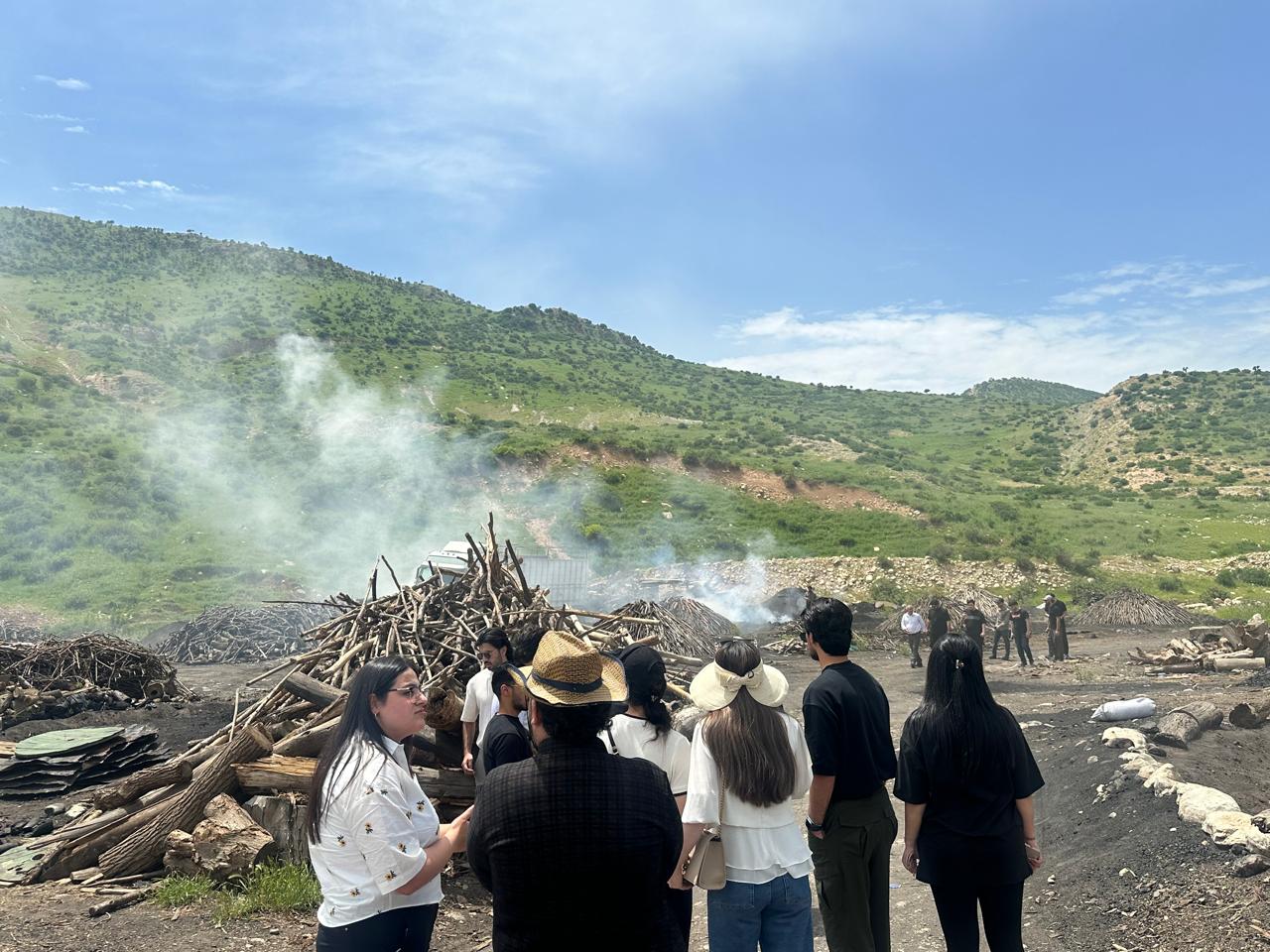
This geological field trip at TIU introduced students to different sediment types, stratigraphic units, and petroleum system elements. Moreover, the activity helped students understand how petroleum systems function in natural geological environments. The trip also familiarized students with coal production processes and their relation to geological history, which provided valuable industrial and environmental insight.
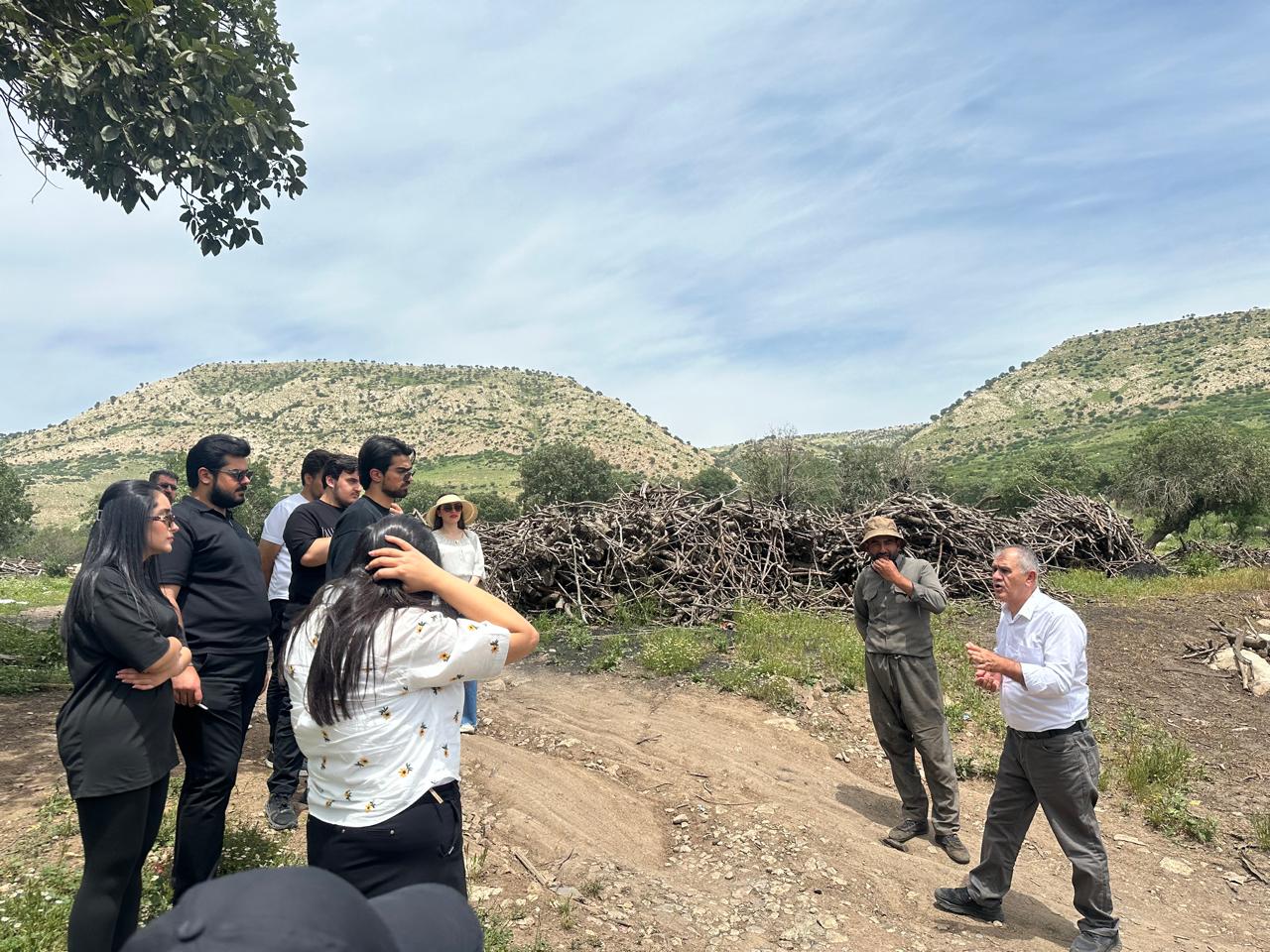
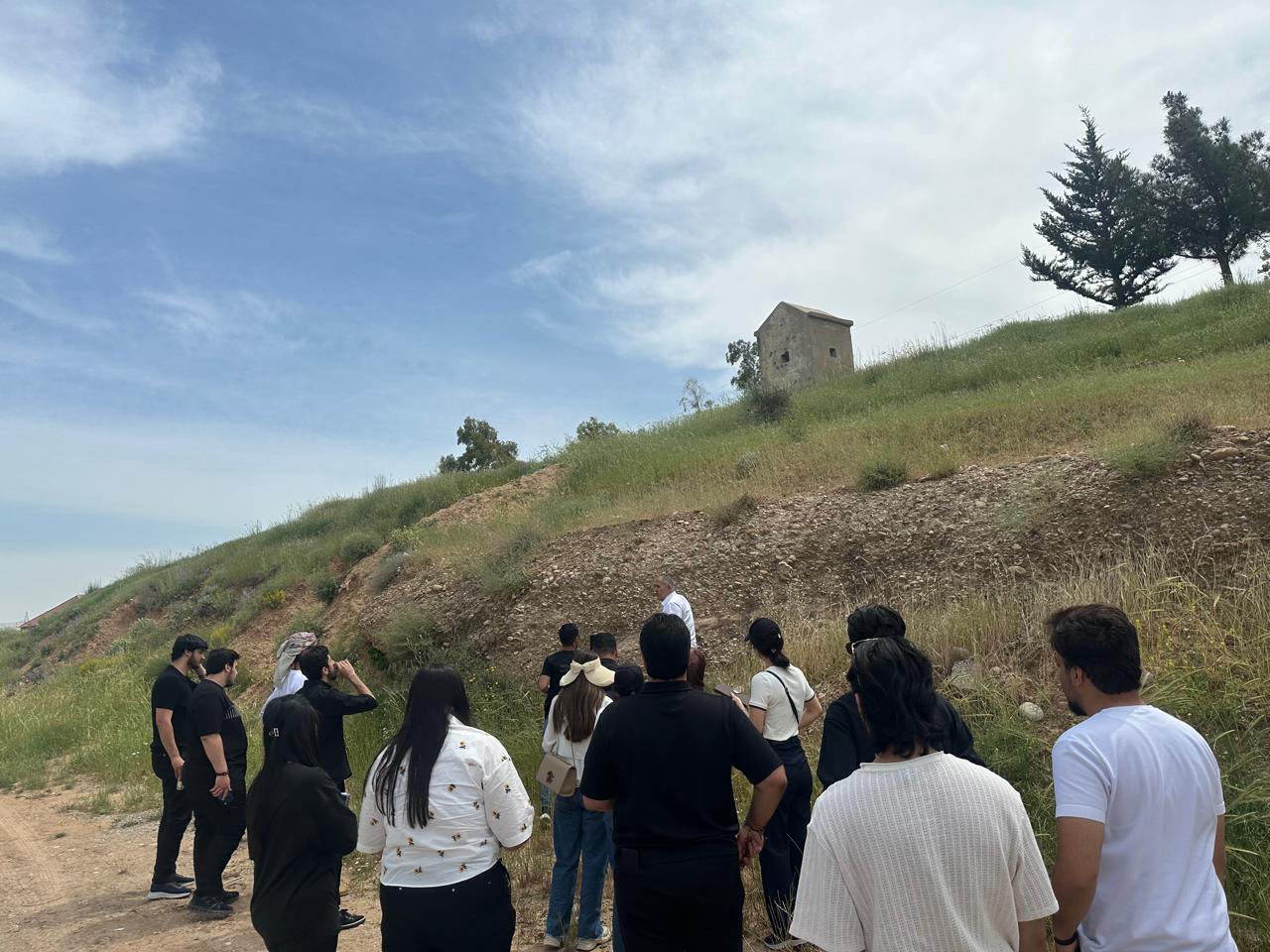
Dr. Rzger Abdulkarim Abdula and Ms. Ala Ibrahim, the instructor and assistant of the Petroleum Geology course, supervised the field trip. During the visit, they explained the geological history of the area and introduced students to several important geological formations. In addition, they demonstrated different sedimentary structures and stratigraphic sequences found within the region.
Throughout the trip, students actively observed geological outcrops and discussed petroleum system processes with the instructors. As a result, they connected classroom knowledge with real geological examples in the field. The activity also encouraged students to develop stronger analytical and observational skills related to petroleum geology.
The field trip concluded with an interactive question-and-answer session led by Dr. Rzger Abdulkarim Abdula. Students asked detailed questions about sediment types, stratigraphic units, petroleum system mechanisms, and coal formation processes. Therefore, the session enhanced students’ understanding and encouraged scientific discussion in an engaging environment.
Through this geological field trip at TIU, the department continued to support practical learning and field-based education for engineering students. This activity also supports SDG 4 (Quality Education) and SDG 9 (Industry, Innovation and Infrastructure) by promoting applied geological education and strengthening students’ technical skills.