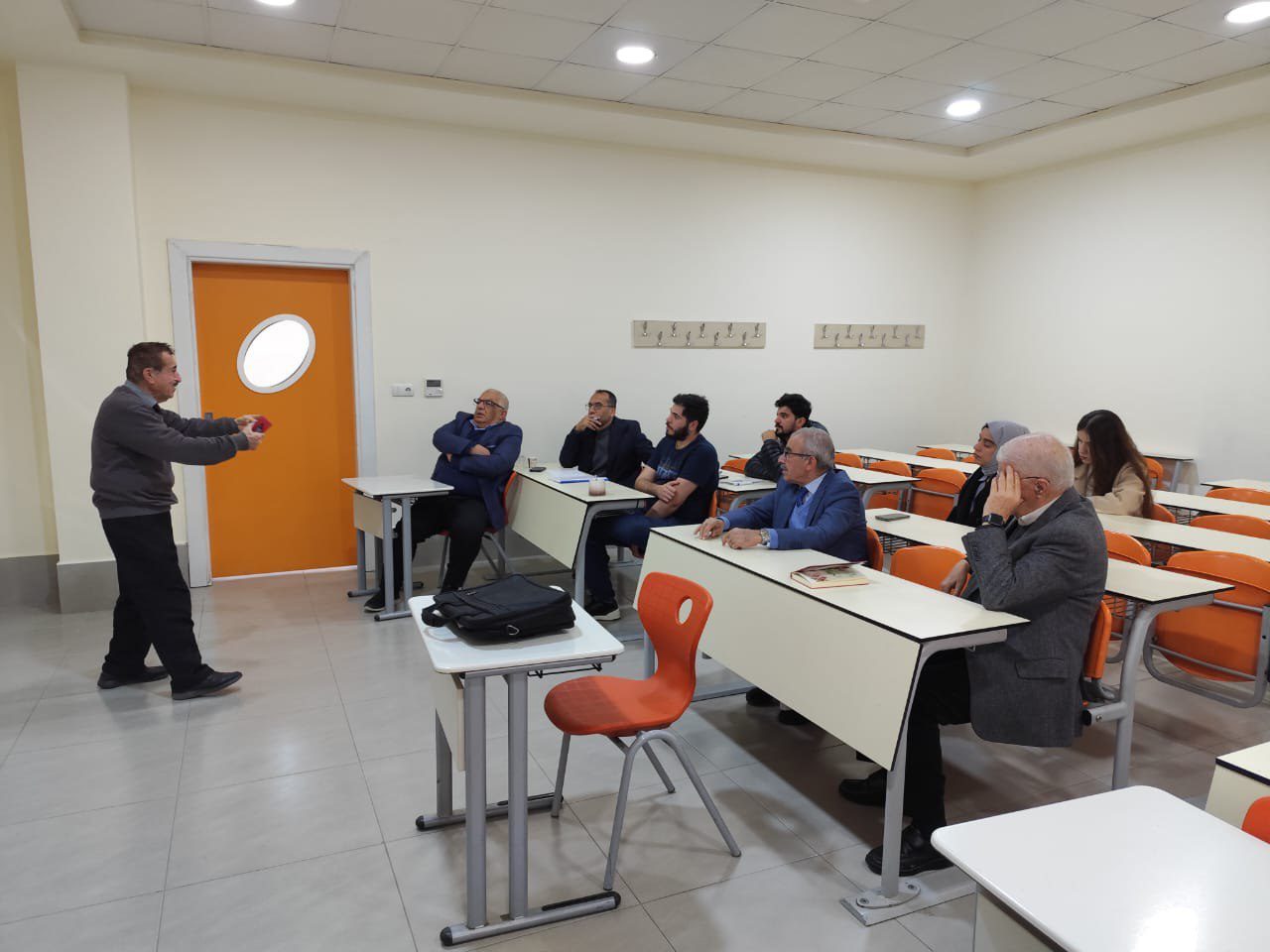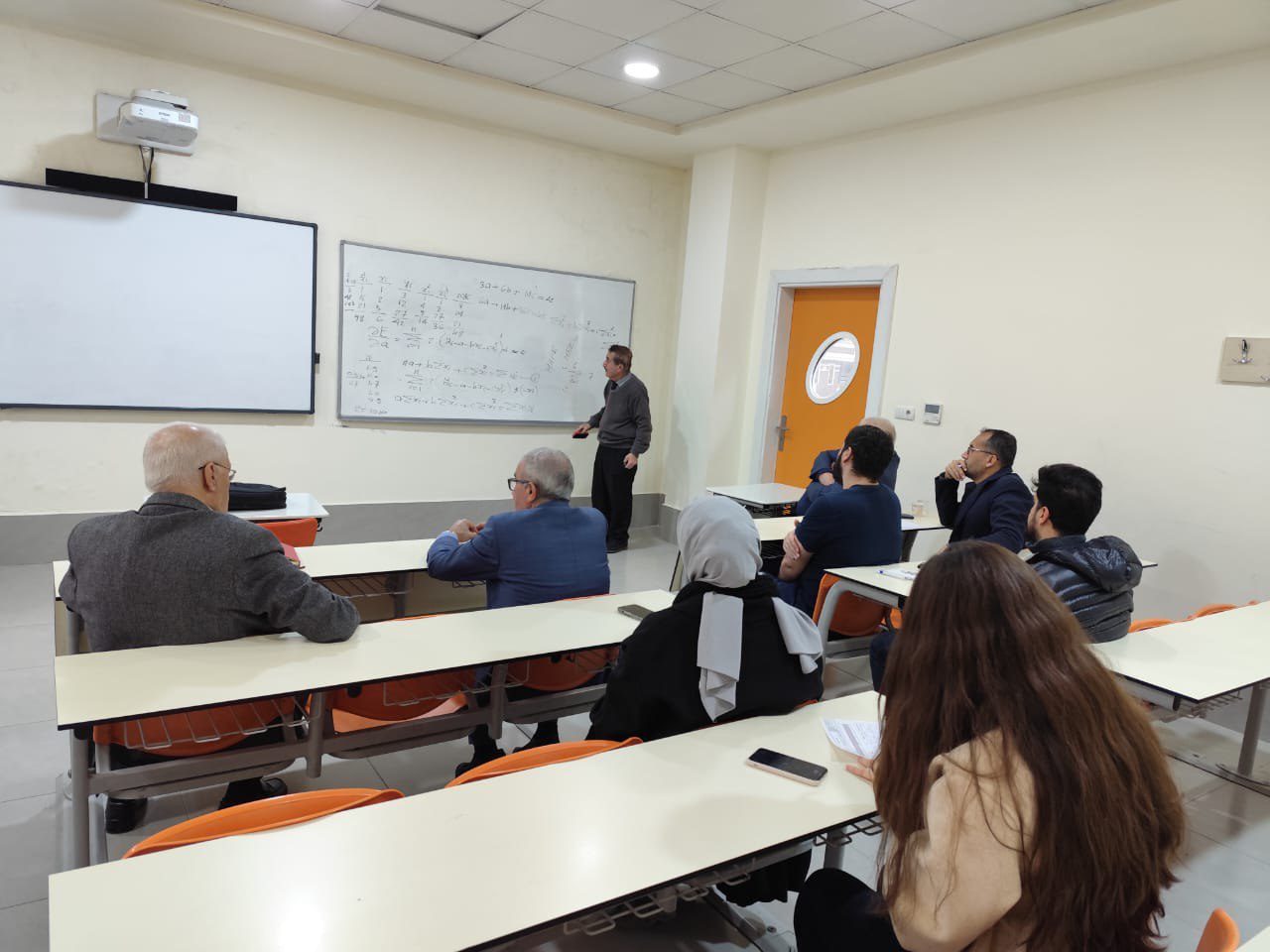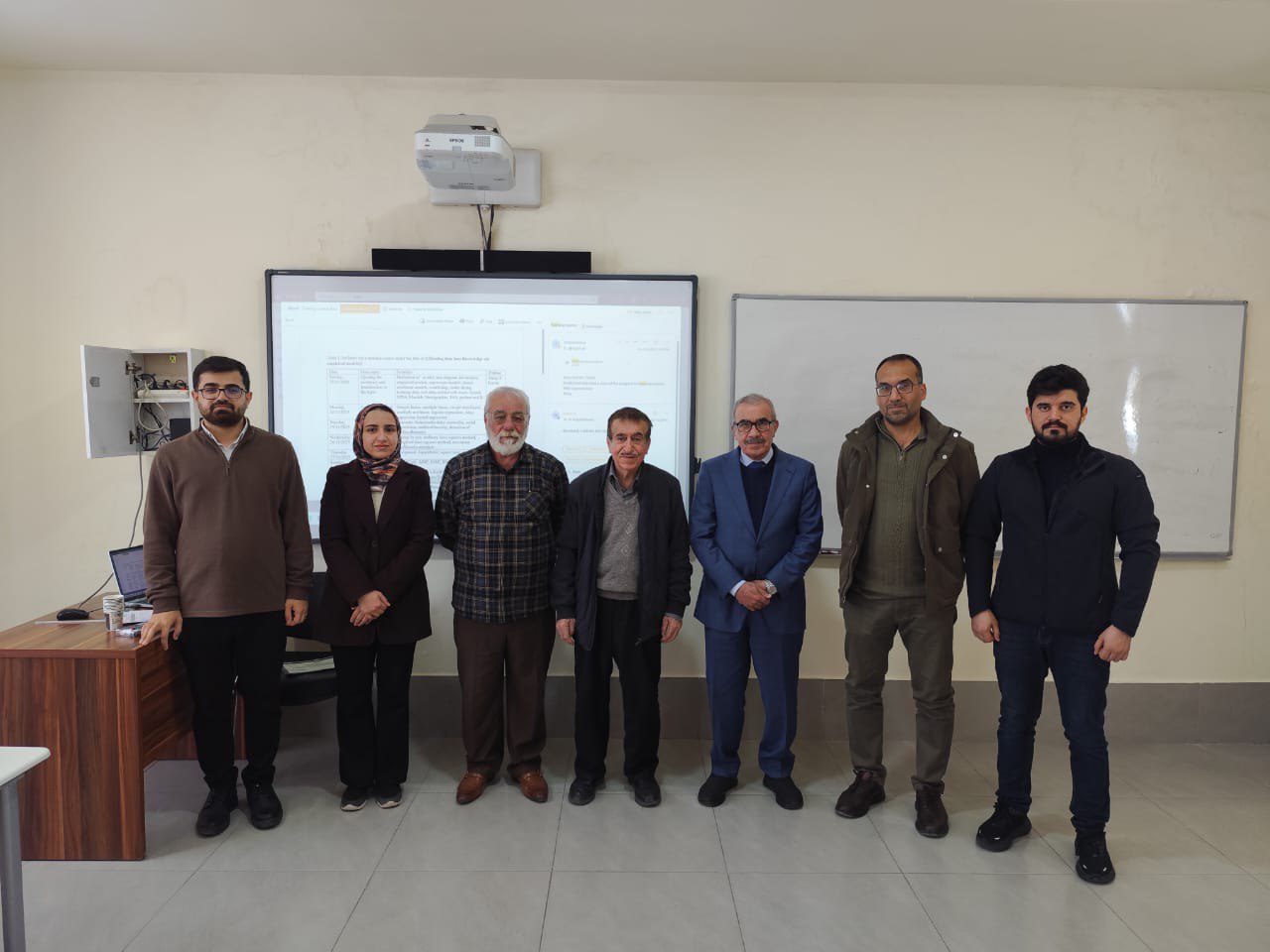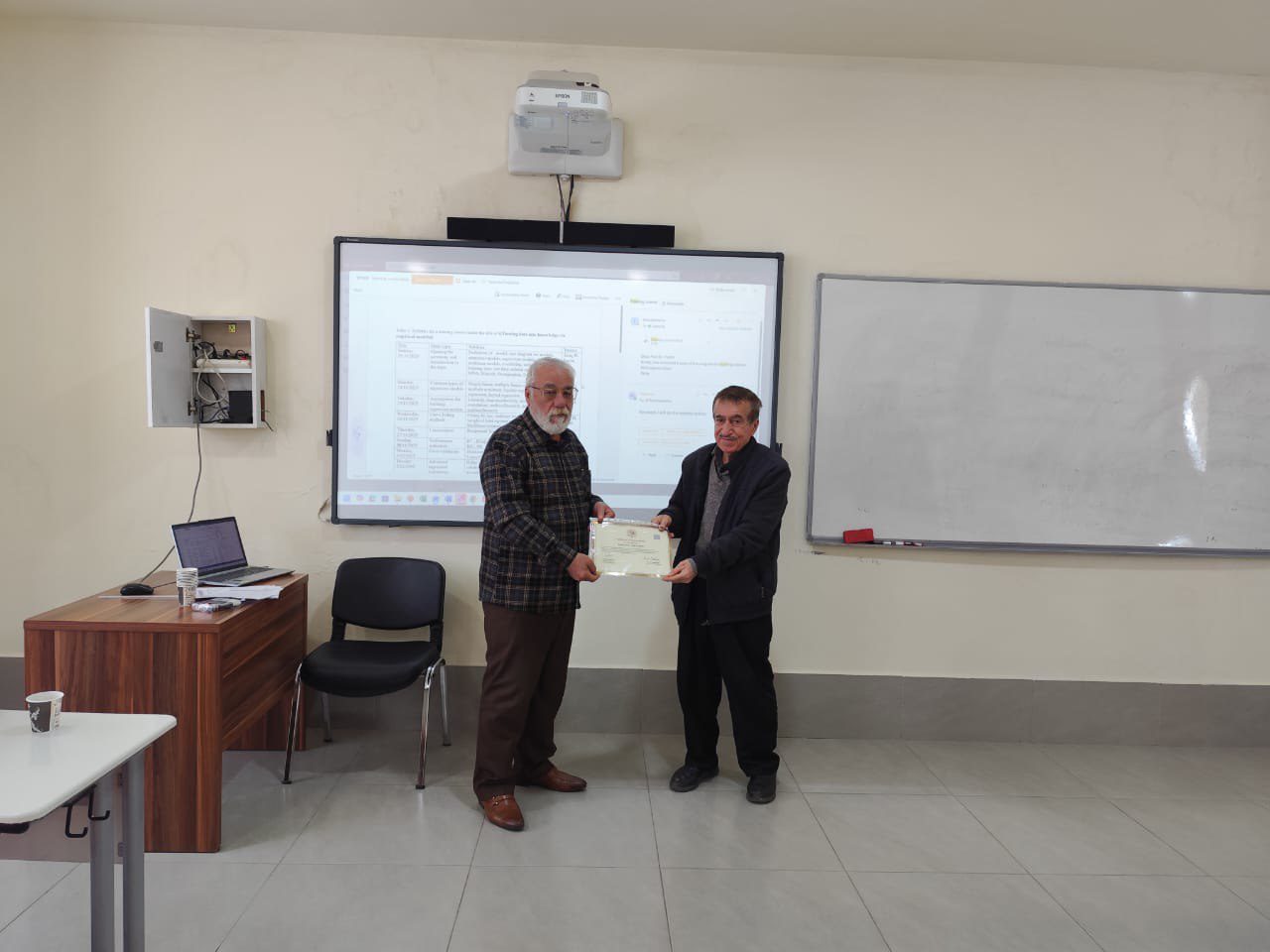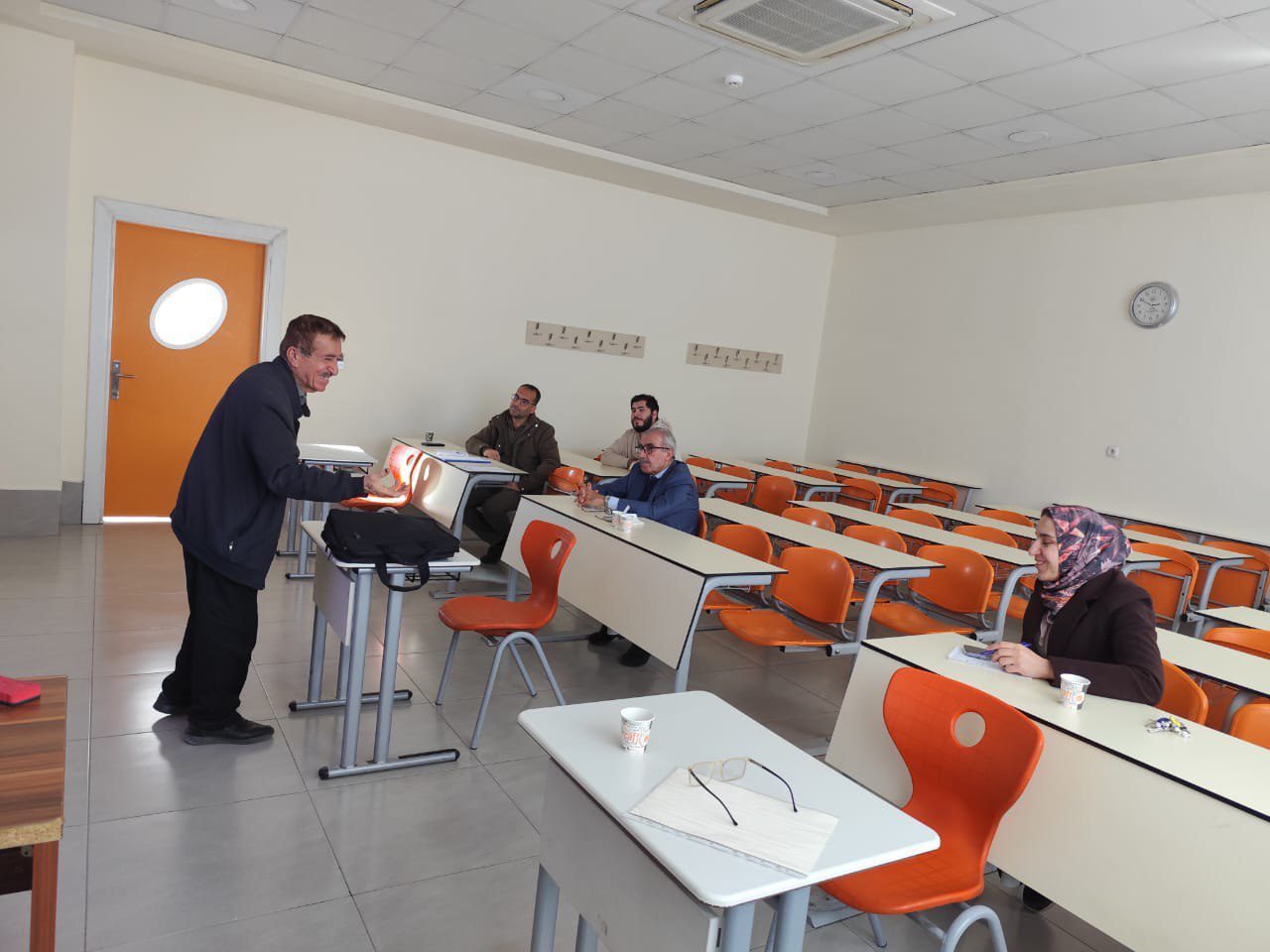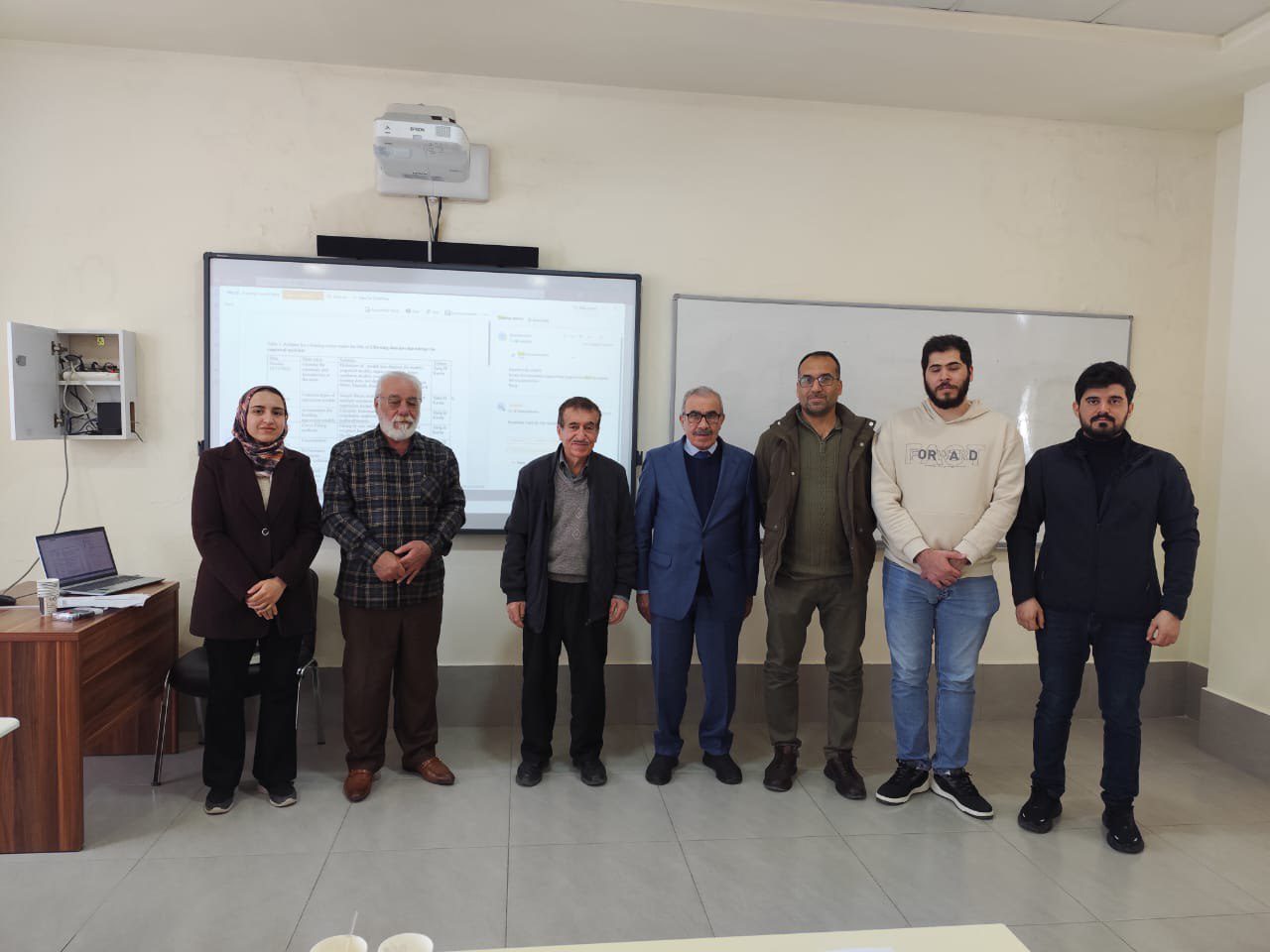
The Petroleum and Mining Engineering Department at Tishk International University successfully conducted a specialized nine-day training program entitled “Turning Data into Knowledge via Empirical Models.” The program took place from January 26 to February 5, 2026, at the TIU main campus and attracted participants from different academic backgrounds.
The department designed this training to strengthen practical data analysis skills. In particular, the program focused on transforming raw data into meaningful knowledge using empirical and regression-based modeling approaches. Moreover, the training addressed the growing need for data-driven decision-making in both academic research and professional practice.
Professor Dr. Tariq H. Karim delivered the training sessions and guided participants throughout the program. He presented theoretical concepts in a clear manner and directly linked them to practical applications. In addition, he supported participants with real examples to ensure better understanding and engagement.
Throughout the nine days, participants explored a wide range of topics related to empirical modeling. These topics included linear and nonlinear regression models, curve fitting techniques, and model validation methods. Furthermore, the training covered issues such as overfitting, underfitting, multicollinearity, and systematic outlier handling. As a result, participants developed a solid foundation in empirical data modeling.
The program also emphasized hands-on practice using widely adopted analytical tools. Participants worked with Excel, SPSS, Minitab, Python, and R to analyze data and evaluate model performance. Consequently, they gained practical experience that can be applied across engineering, environmental, medical, and social science fields.
The training welcomed academic staff, administrative staff, undergraduate students, and postgraduate students from various departments at Tishk International University. Notably, participants showed strong interest and active involvement throughout the sessions. Their engagement contributed significantly to the success of the program.
By the end of the training, participants demonstrated improved ability to analyze data, build empirical models, and interpret results effectively. Therefore, the program achieved its objectives and reinforced the department’s commitment to capacity building and industry-relevant education.