Strategic Workforce and Industry Analysis
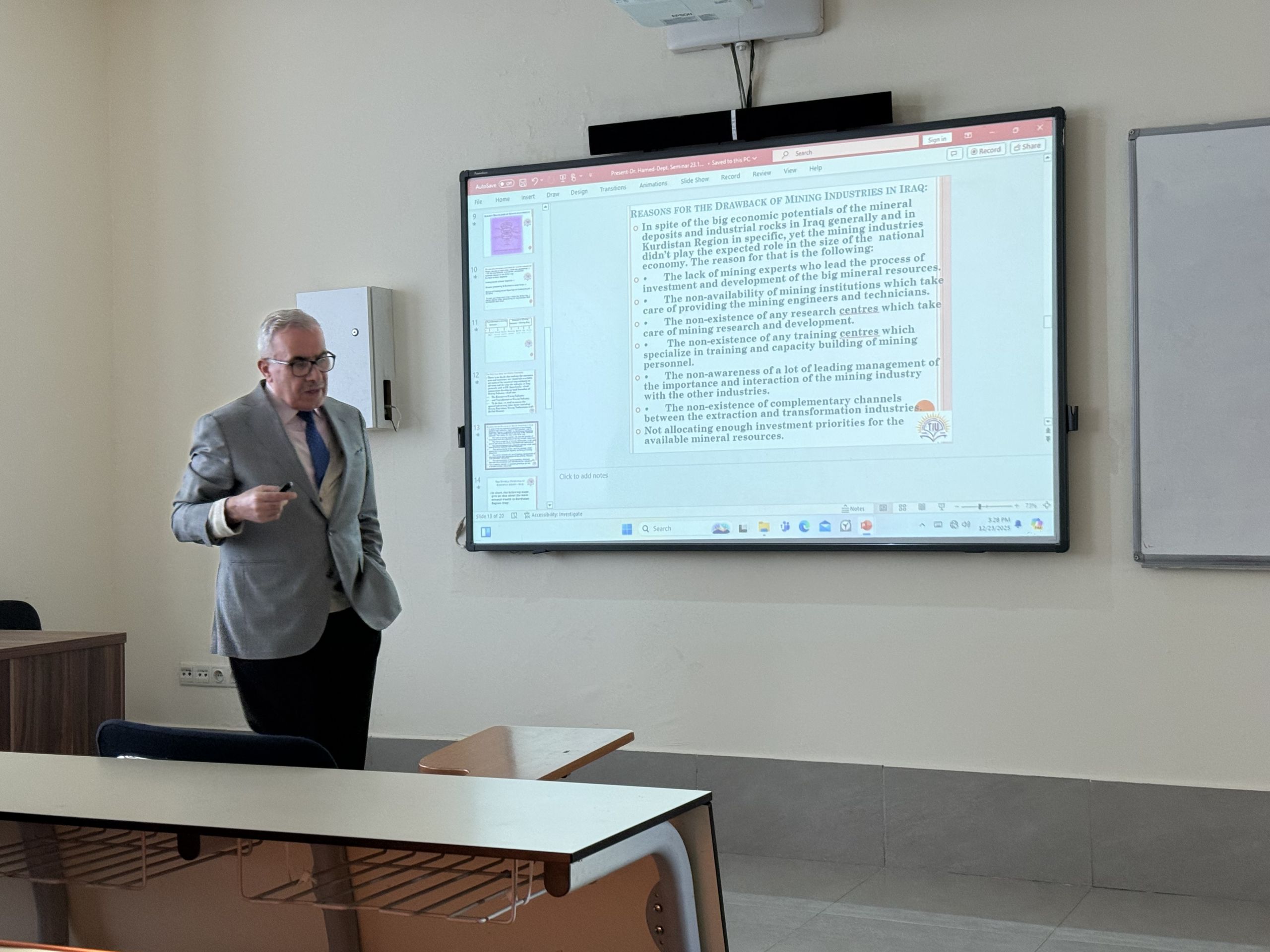
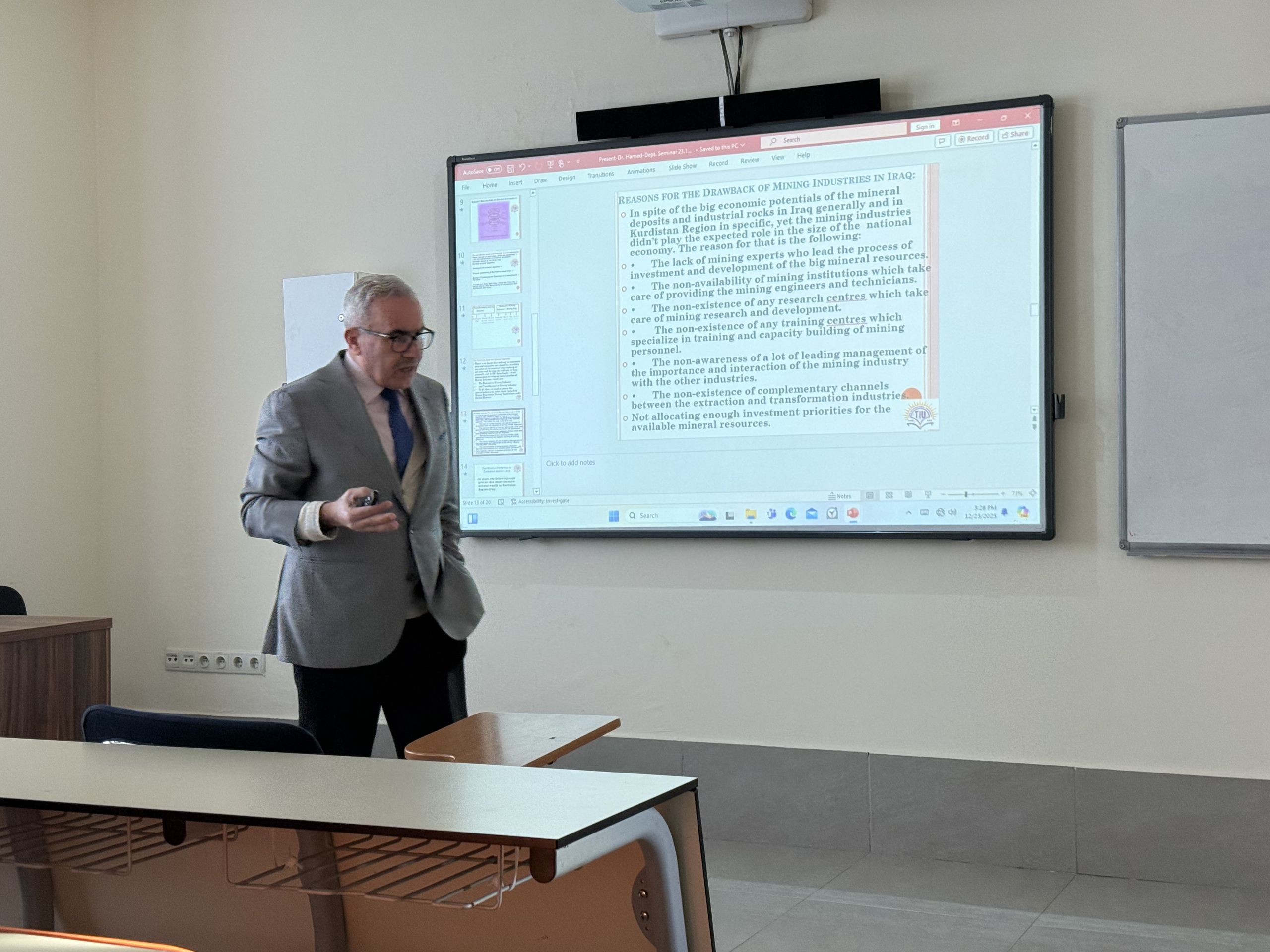
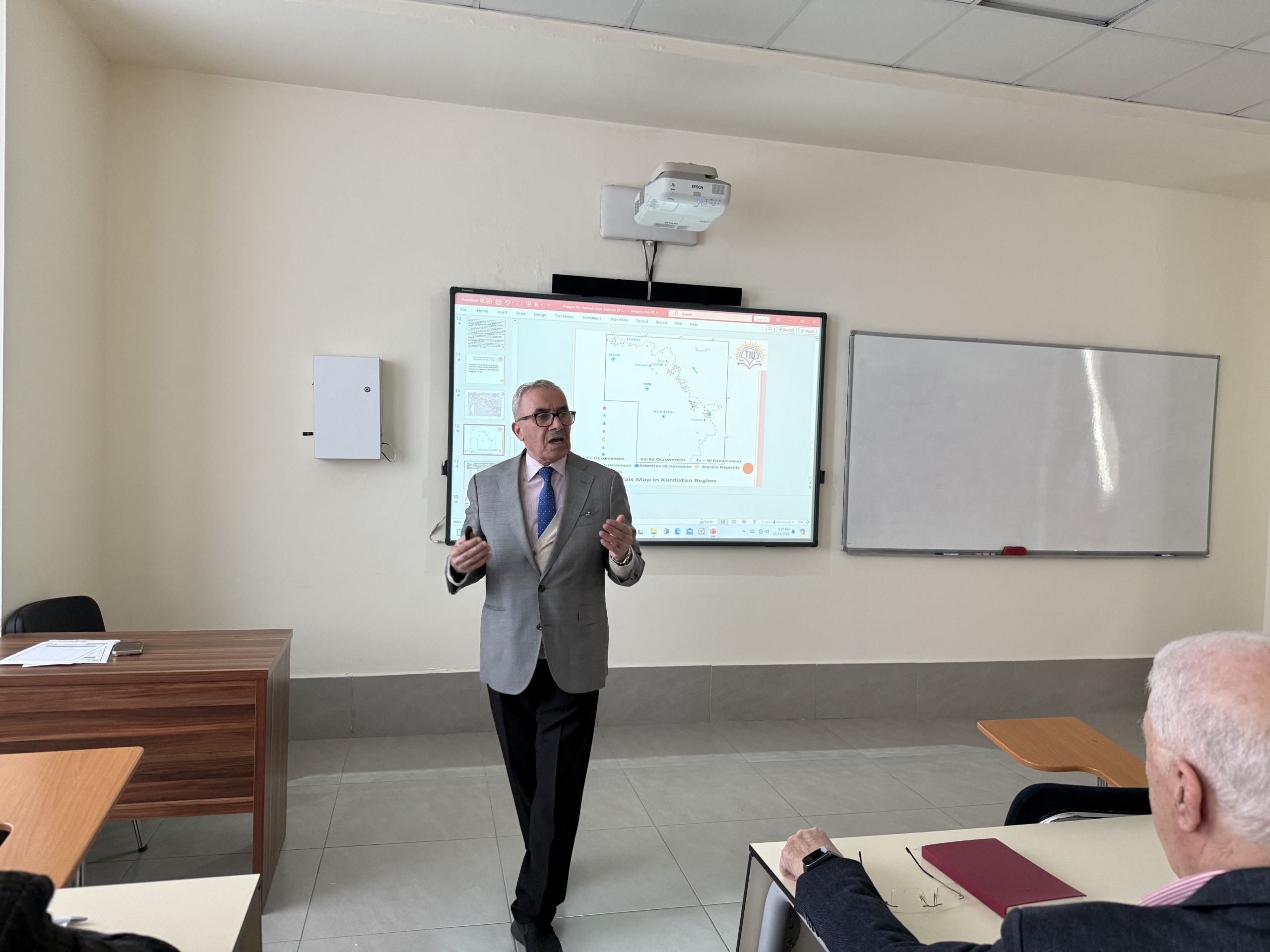
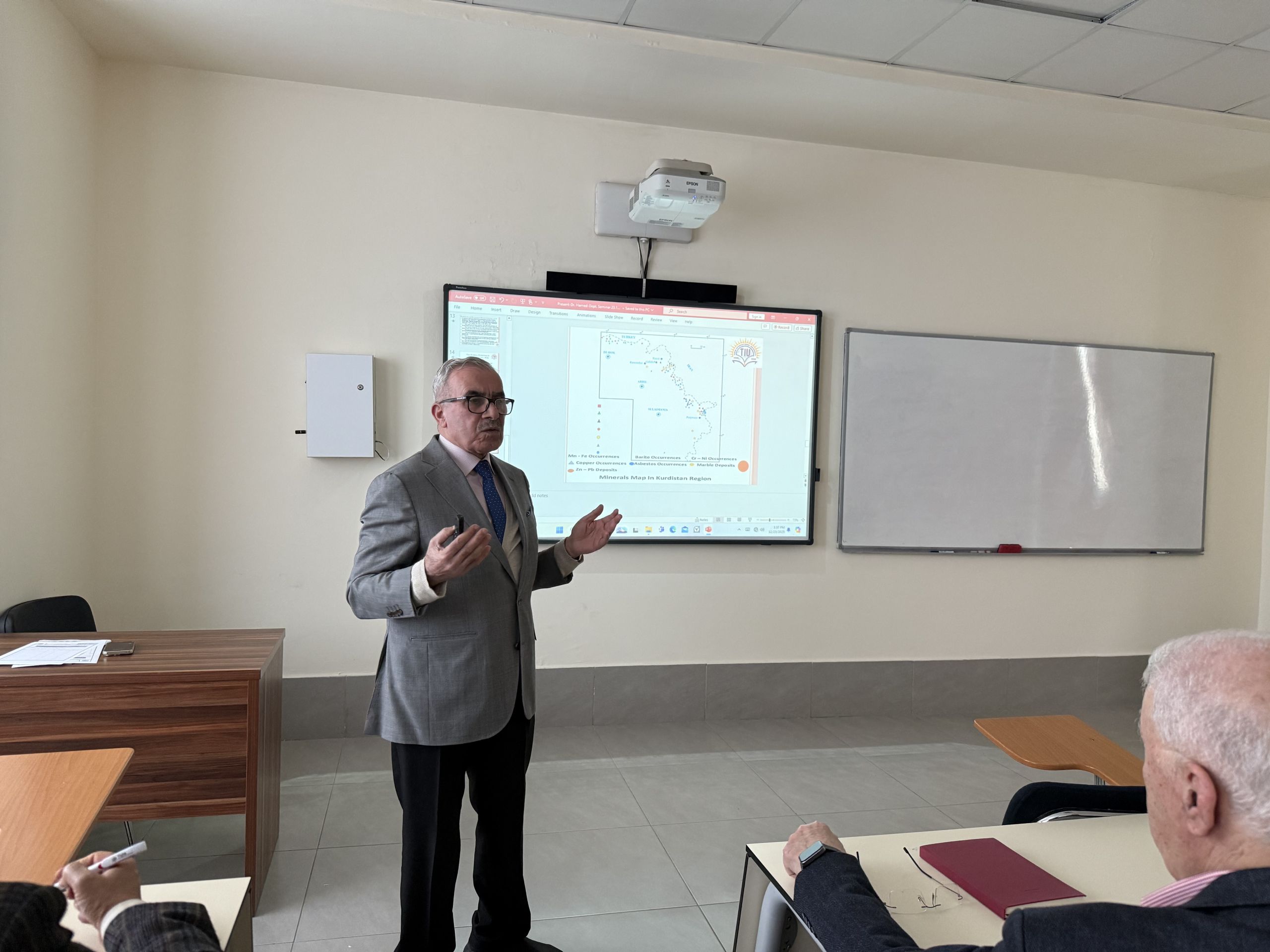
On Tuesday, December 23, 2025, the Petroleum and Mining Engineering Department at Tishk International University held a departmental seminar titled “Oil Industry versus Mining Industry: The Balance between Supply and Demand of Petroleum Engineers in the Kurdistan Region.” The seminar took place at 3:00 PM in the Main Building, Hall 214, featuring an insightful presentation by Professor Dr. Hamed Muhammed Jassim.
Comprehensive Industry Status Examination
Professor Dr. Jassim delivered an analytical discussion examining the current status of both the oil and mining industries within the Kurdistan Region:
Oil Industry Analysis:
-
Significant contribution of petroleum engineering to the regional economy
-
Established role of the oil sector in employment generation and stability
-
Major revenue generation supporting regional development
-
Infrastructure and expertise development over recent decades
-
Current workforce demand patterns for petroleum engineers
Mining Sector Assessment:
-
Rich and diverse natural mineral resources present within the Kurdistan Region
-
Limited current mining activities despite substantial resource potential
-
Lack of large-scale development and investment in mining projects
-
Lower economic impact compared to the established oil industry
-
Underexploited opportunities for economic diversification
Imbalanced Engineering Demand Analysis
The seminar emphasized a critical imbalance in professional demand between petroleum and mining engineers that does not accurately reflect the region’s long-term resource potential:
Key Discrepancies Identified:
-
Current workforce demand heavily skewed toward petroleum engineering
-
Mining engineering underutilization despite substantial mineral resources
-
Educational program alignment with existing rather than potential industries
-
Long-term strategic planning needs for balanced resource development
-
Economic diversification opportunities through mining sector development
Distinguished Attendance and Engaged Participation
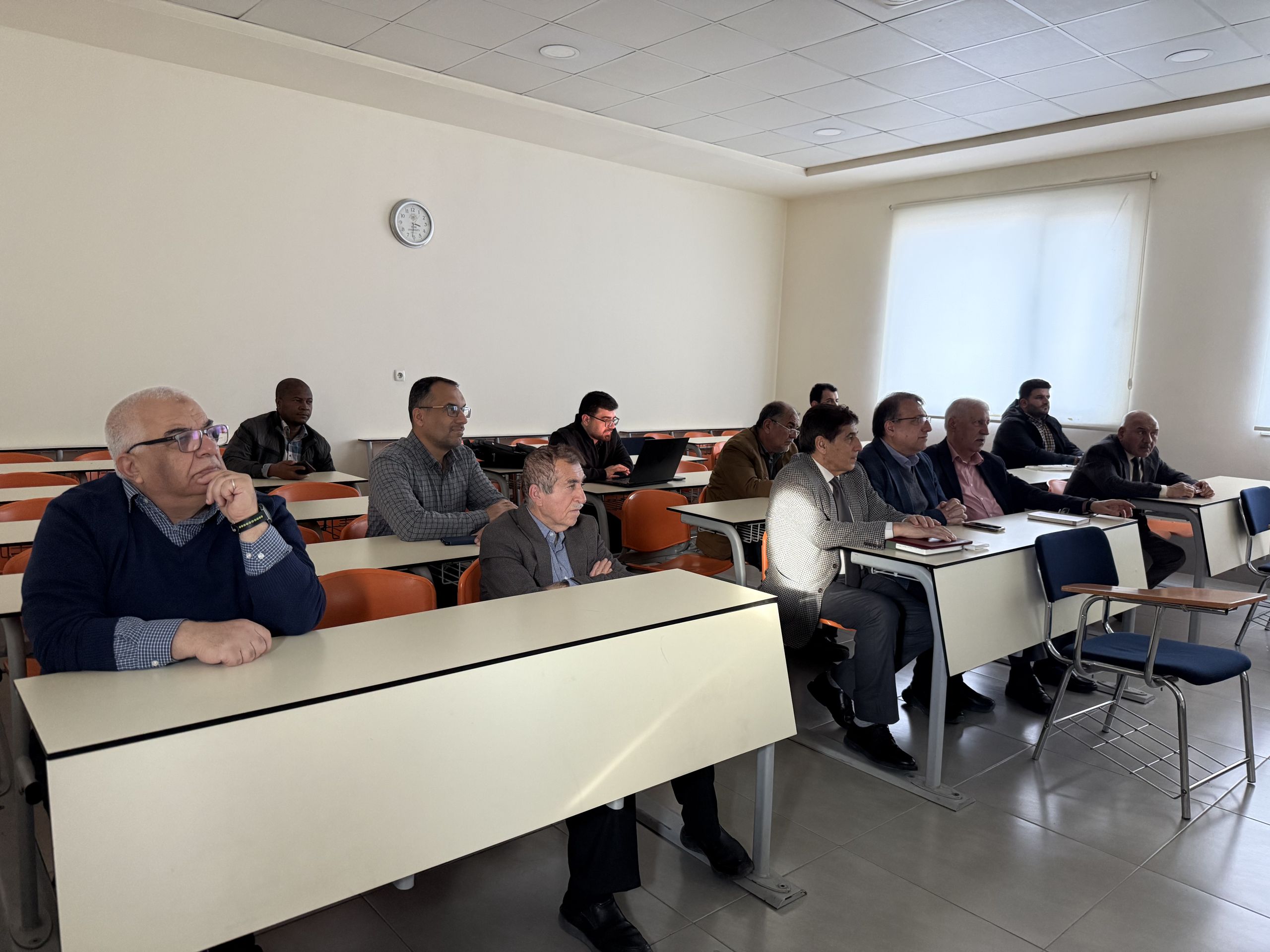
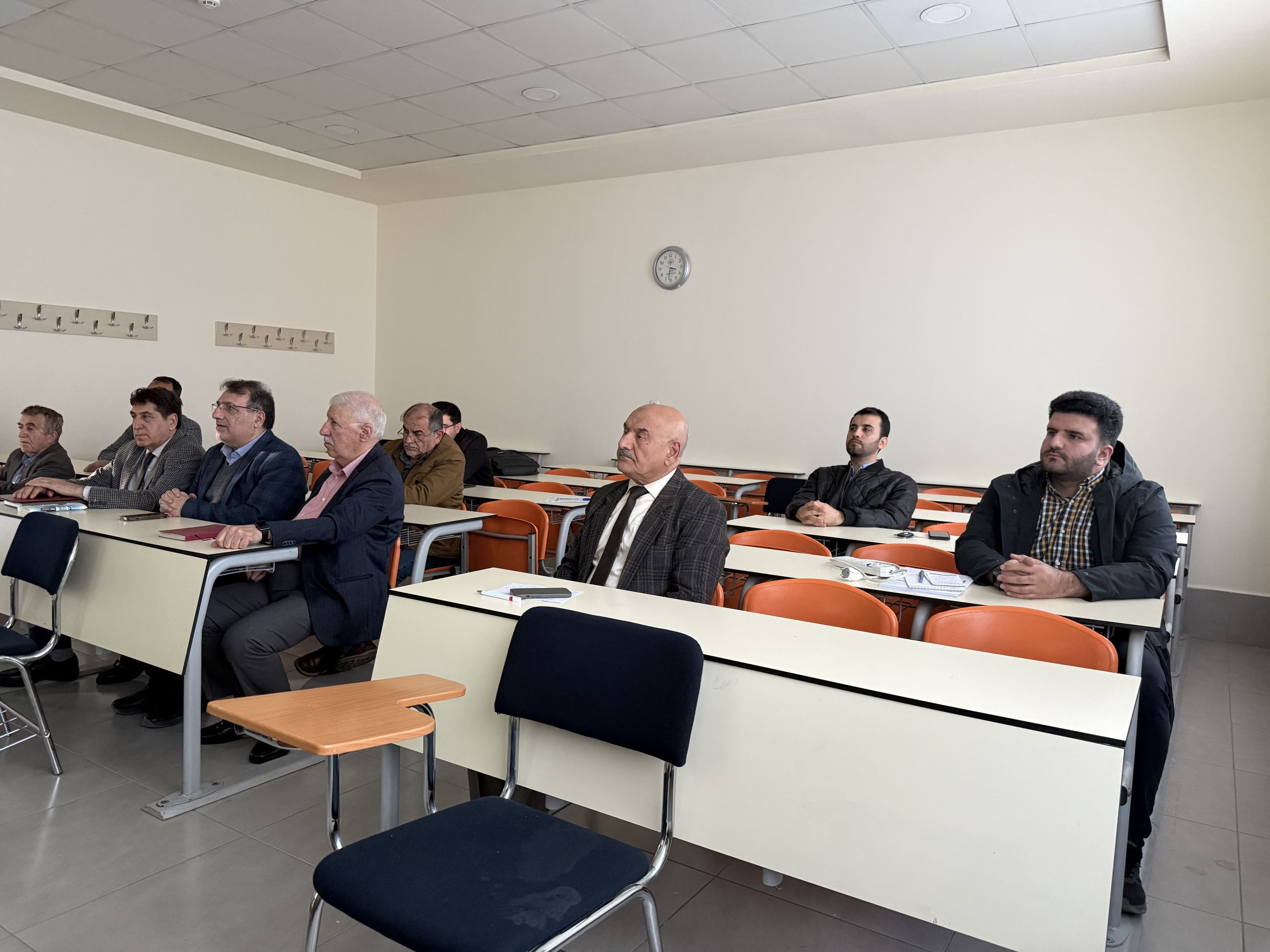
The seminar was attended by the Dean of the Faculty of Engineering alongside lecturers and professors from various engineering departments. Participants demonstrated strong interest and positive engagement throughout the discussion, highlighting the seminar’s relevance to:
Critical Discussion Areas:
-
Workforce planning strategies for the Kurdistan Region
-
Academic program development aligned with future industrial needs
-
Future industrial development pathways for economic diversification
-
Resource management approaches balancing oil and mineral extraction
-
Educational institution roles in supporting balanced economic growth
This seminar successfully provided valuable insights into the complex relationship between resource availability, industrial development, and professional workforce requirements within the Kurdistan Region, offering important considerations for academic planning, economic policy, and long-term regional development strategies.
Keywords: Oil Industry, Mining Sector, Petroleum Engineering, Workforce Analysis, Kurdistan Region, Economic Diversification, Resource Development, Industry Seminar