Specialized Technical Knowledge Sharing
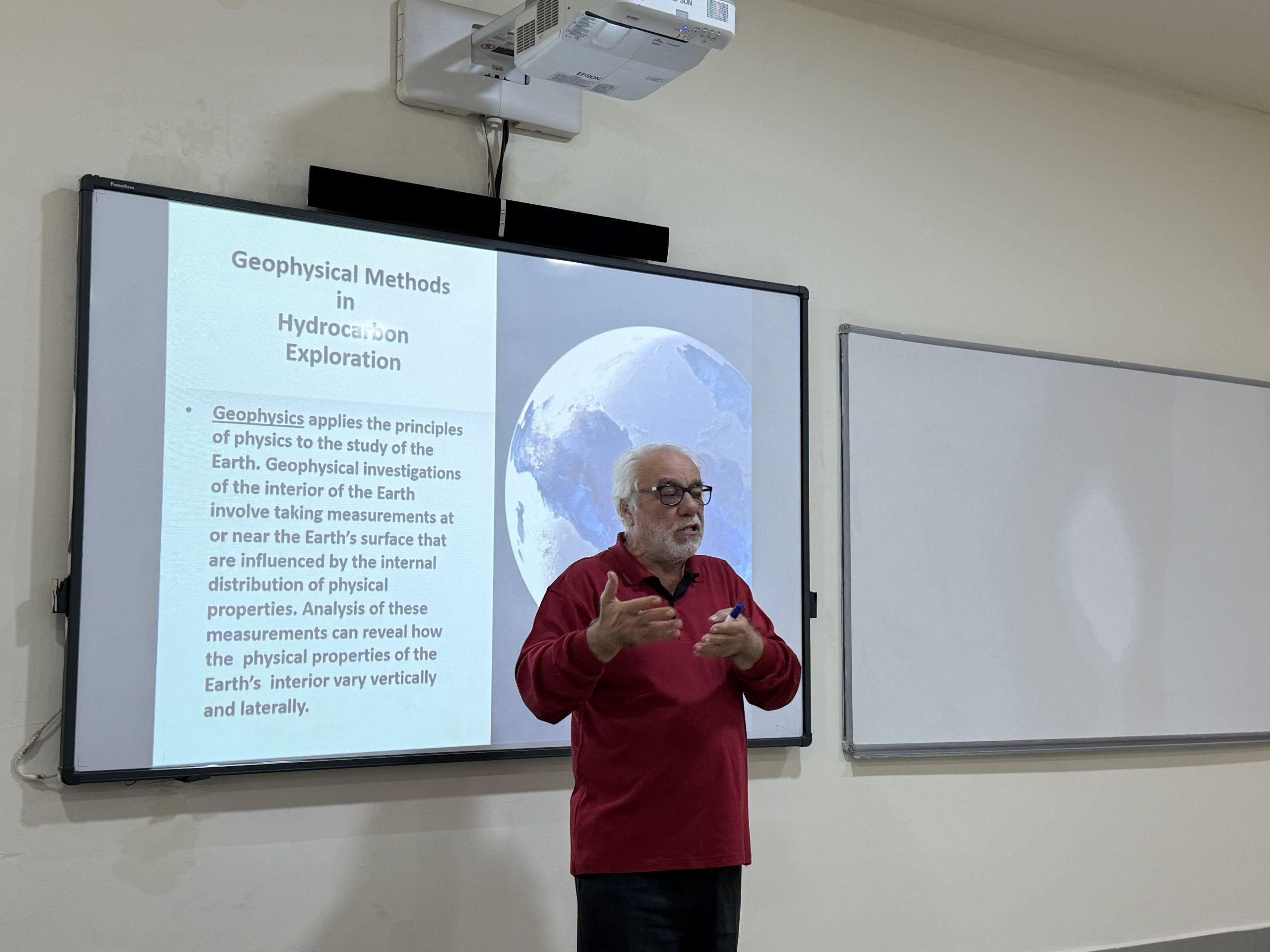
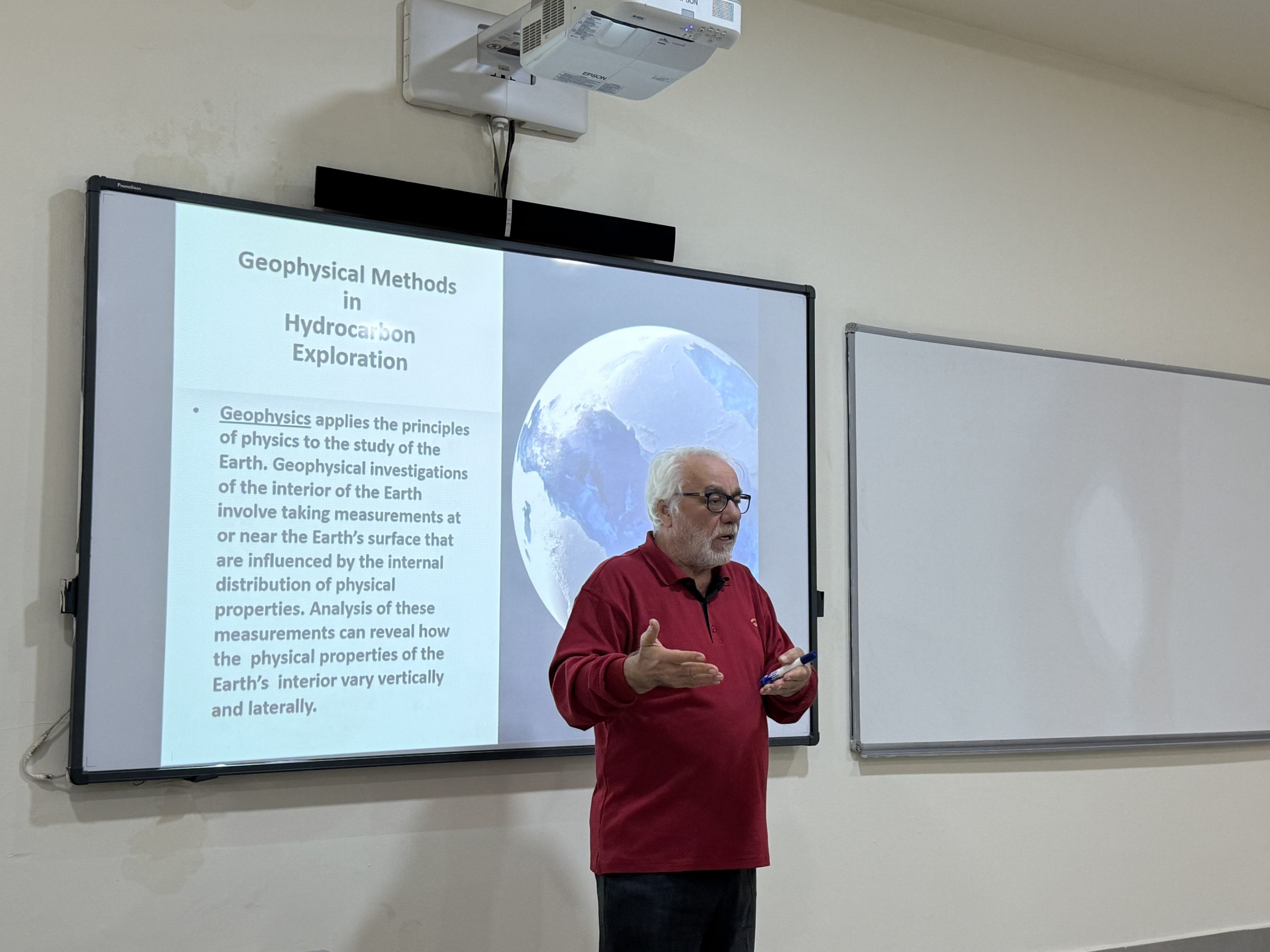
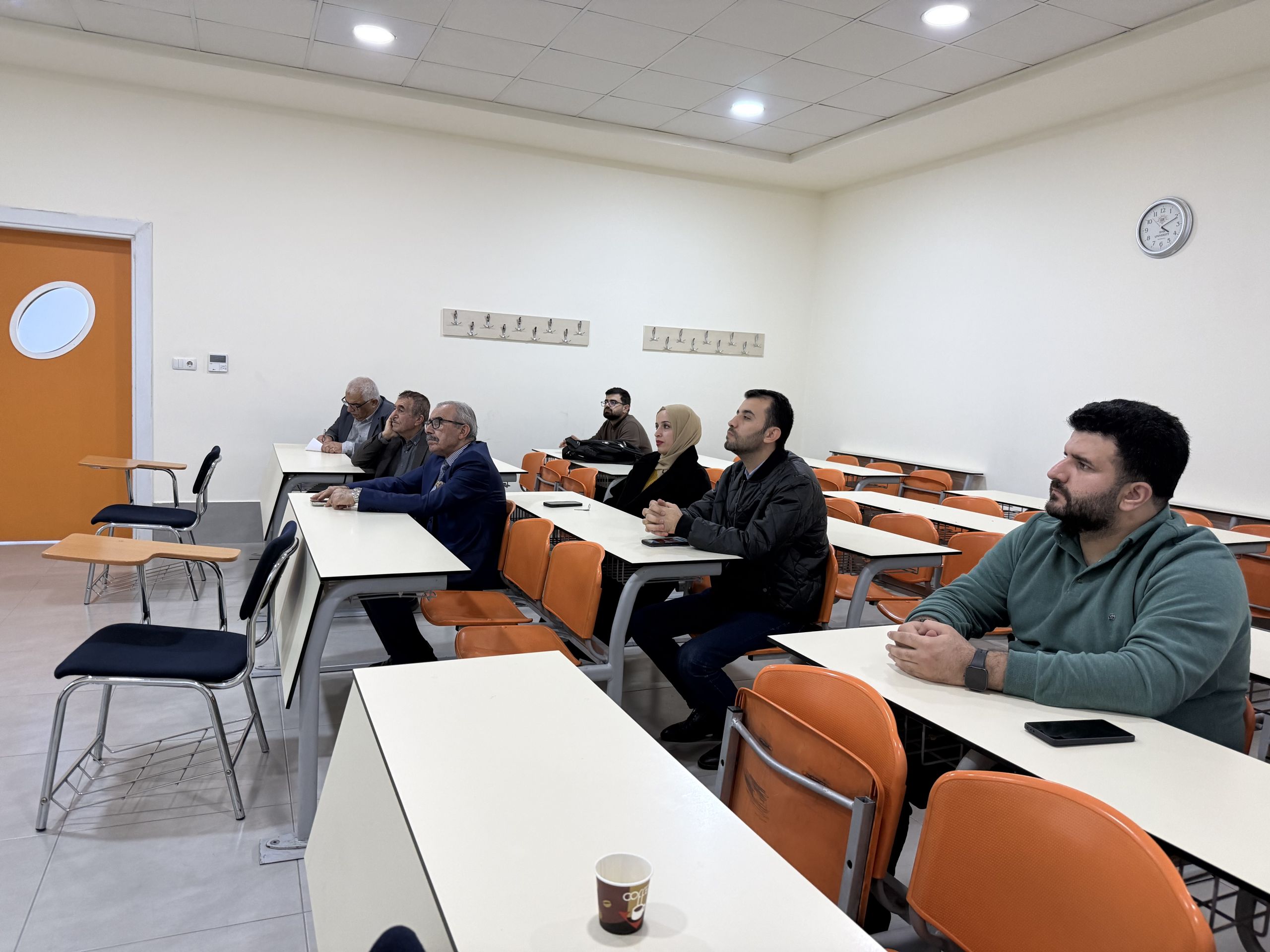
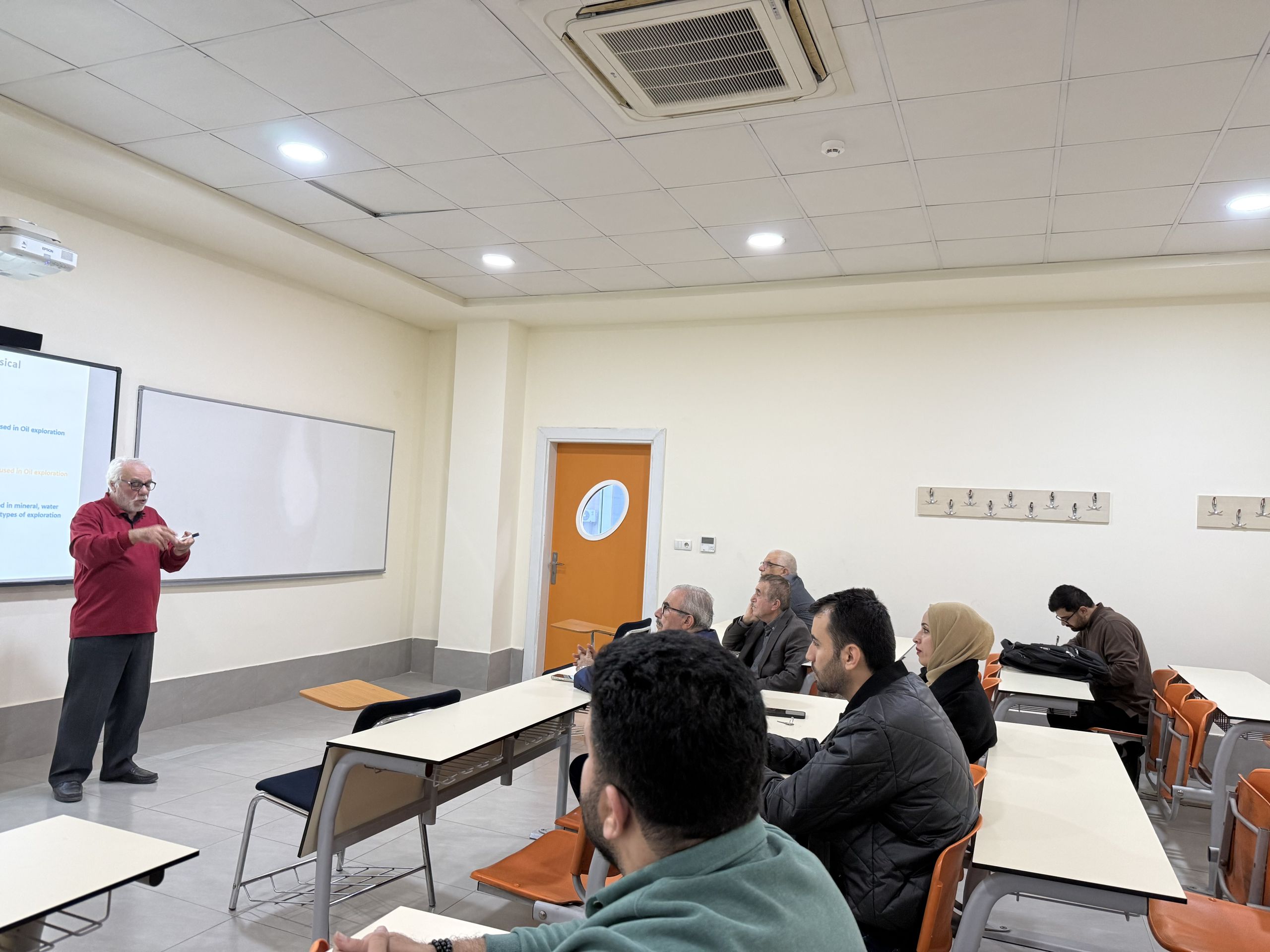
On December 9, 2025, the Petroleum and Mining Engineering Department at Tishk International University held a departmental seminar presented by Prof. Dr. Fadhil Ali, Head of the Department. This well-attended event brought together academic staff from PAME along with lecturers and professors from other university departments, fostering interdisciplinary dialogue on geophysical applications in resource exploration.
Seminar Overview and Fundamental Concepts
The seminar addressed the critical relationship between geophysics and geology, providing comprehensive understanding of how Earth’s physical properties are measured, analyzed, and interpreted for subsurface investigations, particularly within natural resource exploration contexts.
Geophysical Methods and Principles
Prof. Dr. Fadhil Ali introduced key geophysical methodologies alongside their underlying physical principles:
Core Content Areas:
-
Definition of geological exploration through geophysical fieldwork
-
Clear objectives and real-world applications of geophysical methods
-
Integration framework between geological and geophysical data interpretation
Major Exploration Techniques Detailed
Special attention was given to three primary geophysical techniques essential for oil and gas exploration:
Gravity Method:
-
Theoretical background on gravitational field measurements
-
Practical examples demonstrating exploration value
-
Data acquisition procedures and typical field practices
-
Standard equipment examples used in gravity surveying
-
Data processing approaches and interpretation methodologies
Magnetic Method:
-
Fundamental principles of magnetic field analysis
-
Illustrative applications in resource exploration
-
Field implementation strategies and measurement techniques
-
Equipment specifications for magnetic data collection
-
Interpretation frameworks for geological structure mapping
Seismic Method:
-
Theoretical foundations of wave propagation and reflection
-
Exploration case studies highlighting method effectiveness
-
Acquisition protocols including survey design considerations
-
Instrumentation overview for seismic data collection
-
Processing workflows and visualization techniques
Data Management and Interpretation Approaches
The seminar comprehensively covered essential procedures for transforming raw geophysical data into actionable geological insights:
Data Processing Framework:
-
Systematic approaches for data refinement and enhancement
-
Interpretation methodologies connecting geophysical anomalies to geological features
-
Visual presentation techniques for effective communication of results
-
Representative figures showing standard exploration outputs
-
Integration strategies with geological and other geoscientific data
Seminar Impact and Interdisciplinary Value
The seminar proved highly beneficial and well-received by attendees, contributing significantly to:
Key Outcomes:
-
Enhanced understanding of geophysical applications in petroleum and mining engineering
-
Interdisciplinary academic discussion between related scientific disciplines
-
Practical knowledge exchange regarding modern exploration technologies
-
Professional development for academic staff across multiple departments
-
Strengthened connections between theoretical principles and field applications
This successful departmental seminar reinforced the importance of continuous technical knowledge sharing within the academic community while highlighting the critical role of geophysical methods in modern resource exploration and development.
Keywords: Geophysical Methods, Resource Exploration, Petroleum Engineering, Seismic Surveying, Gravity Methods, Magnetic Techniques, Departmental Seminar, Interdisciplinary Learning