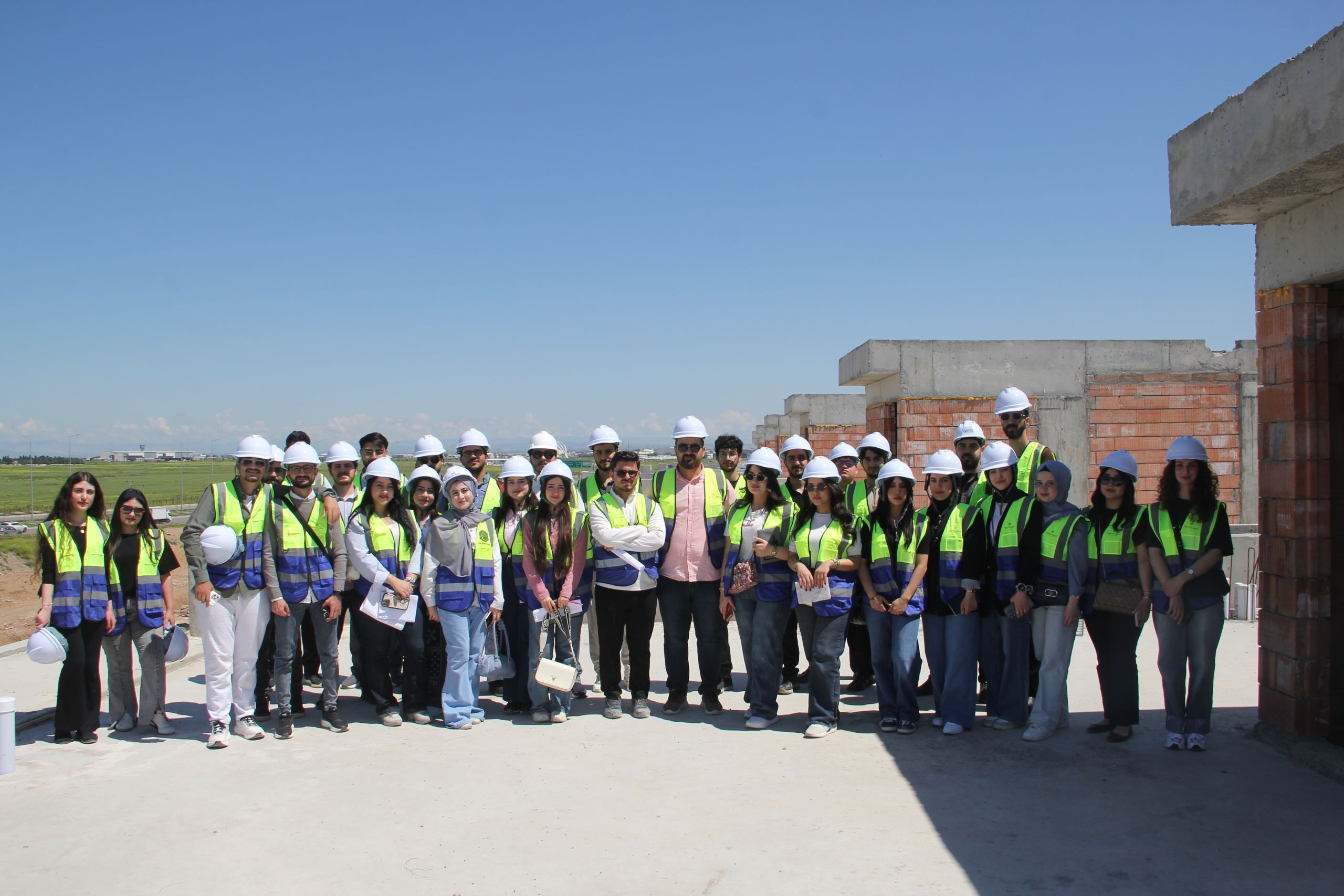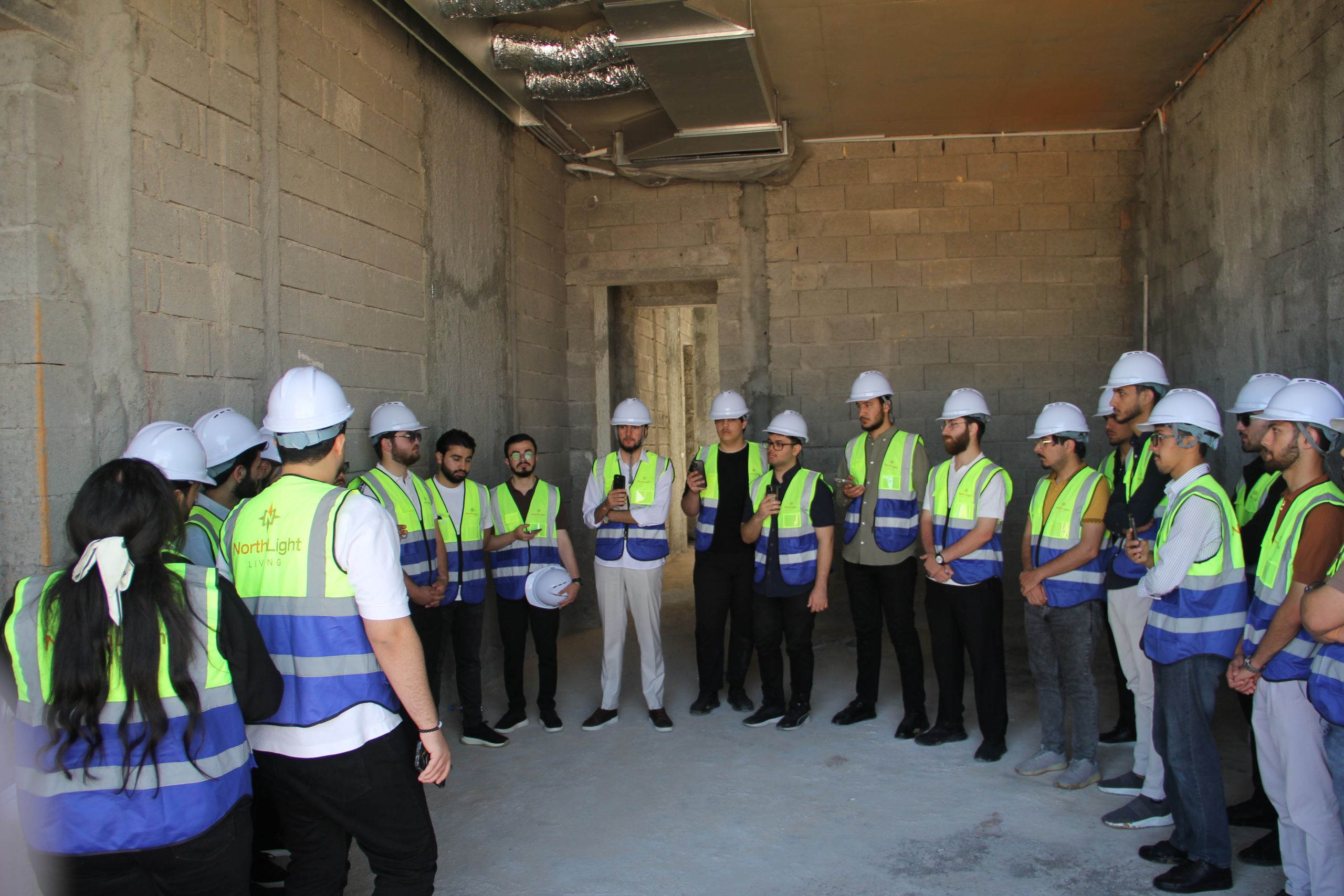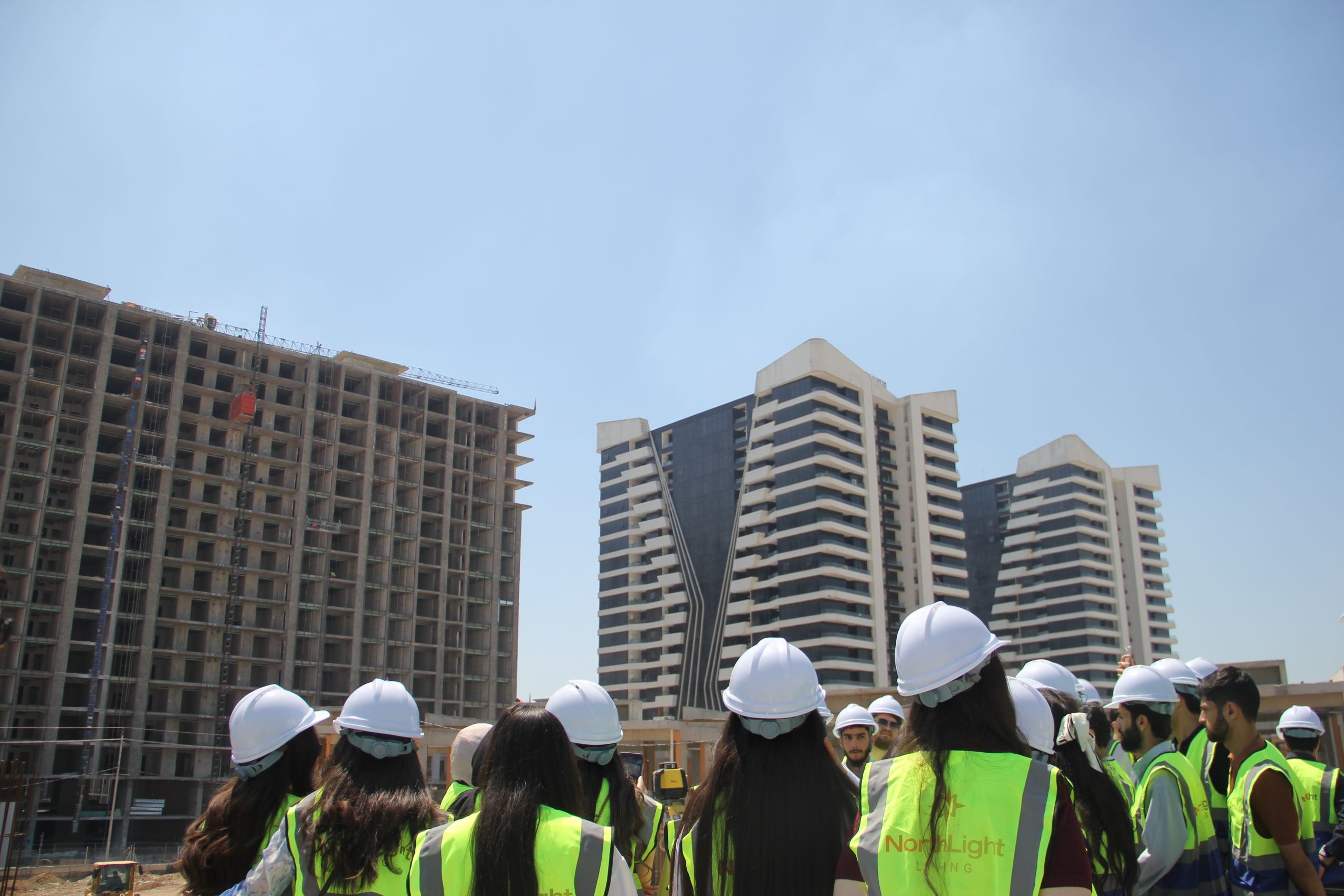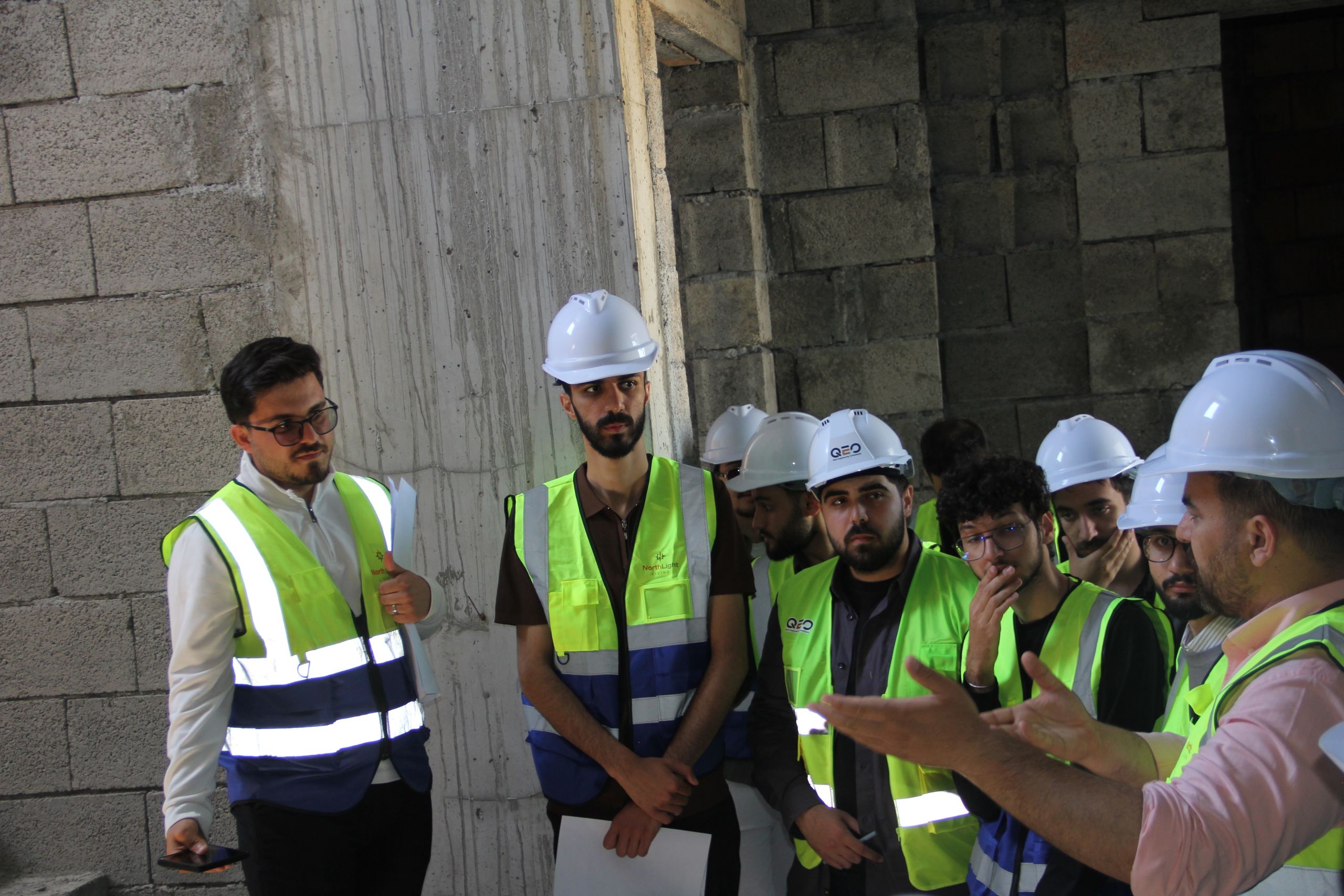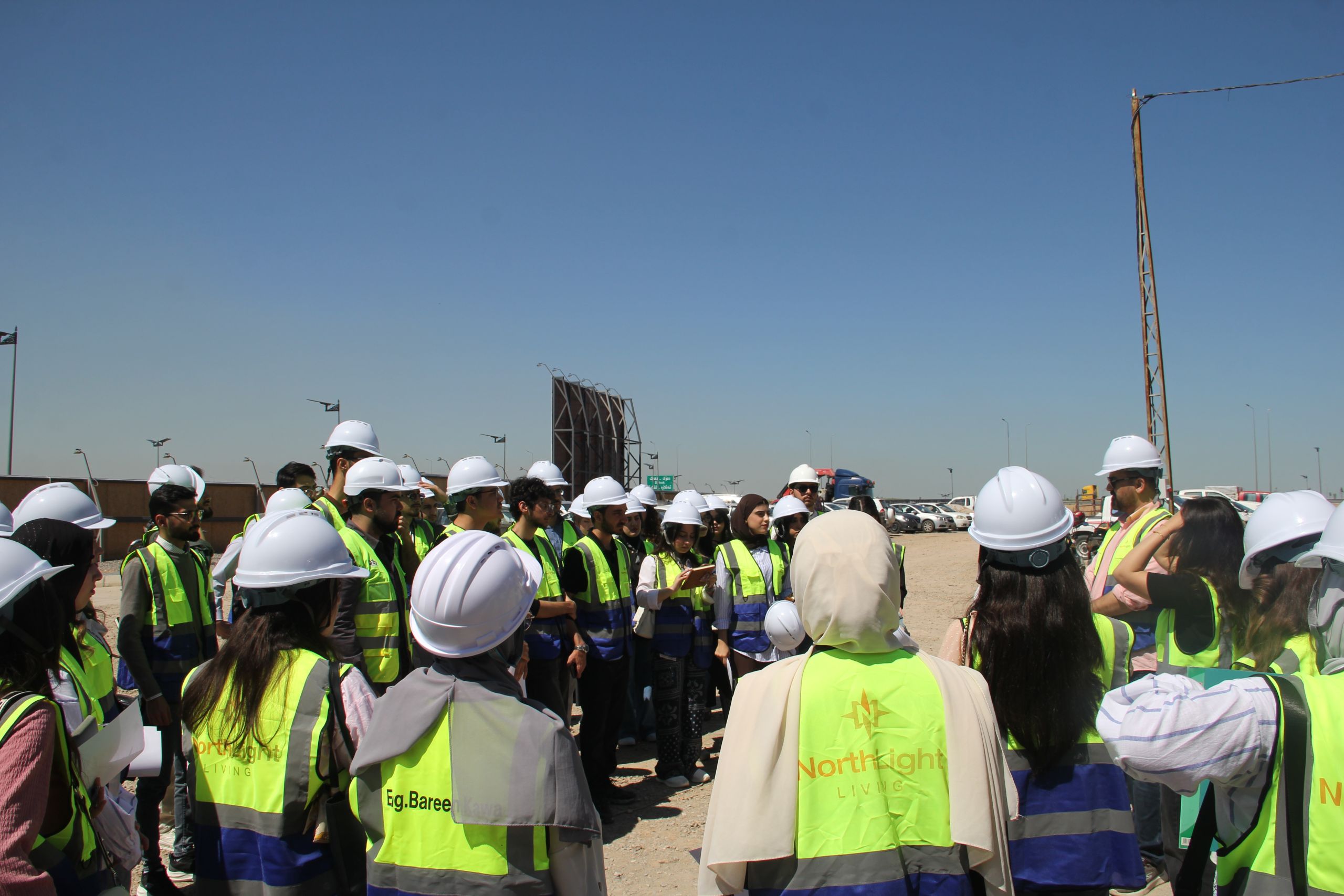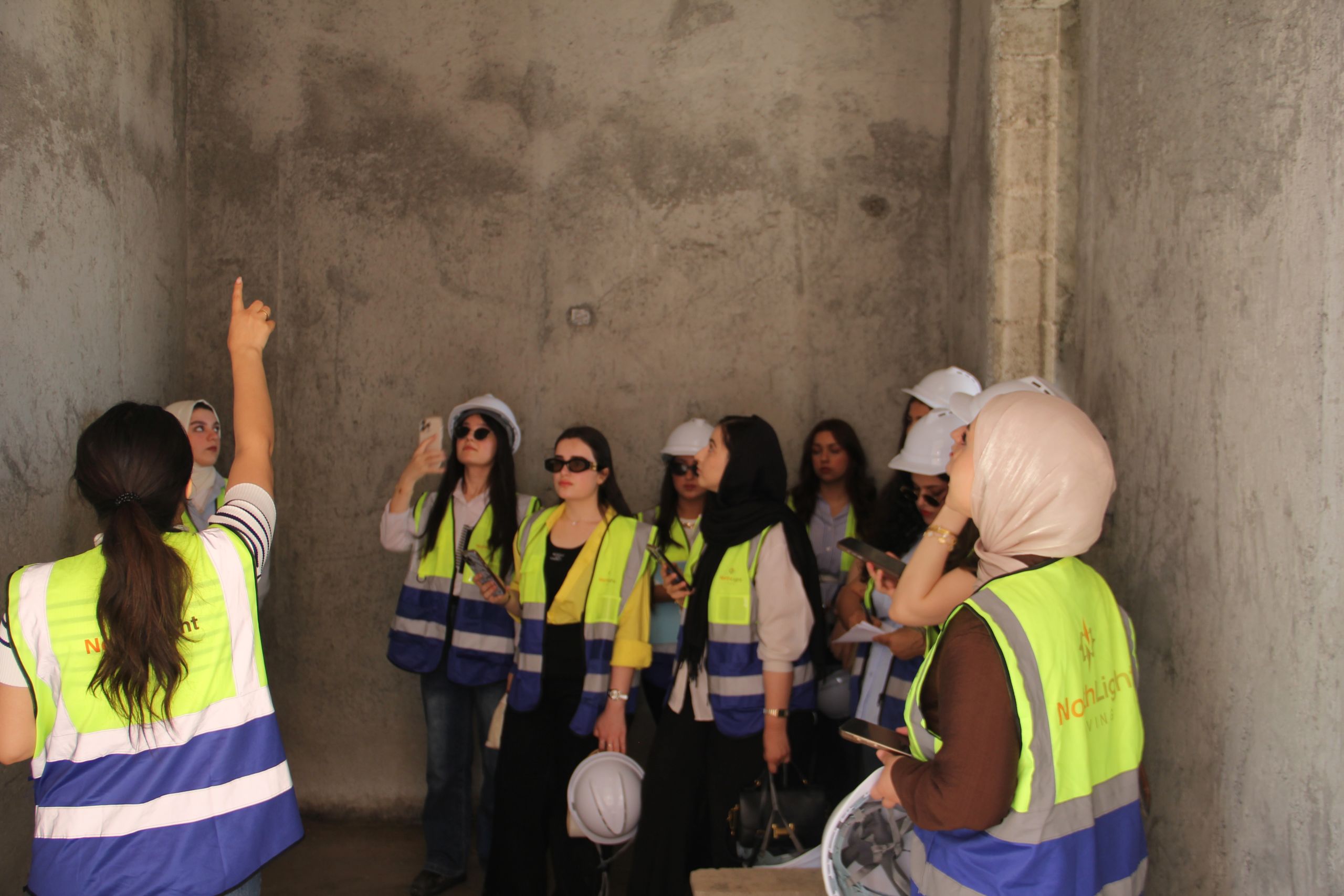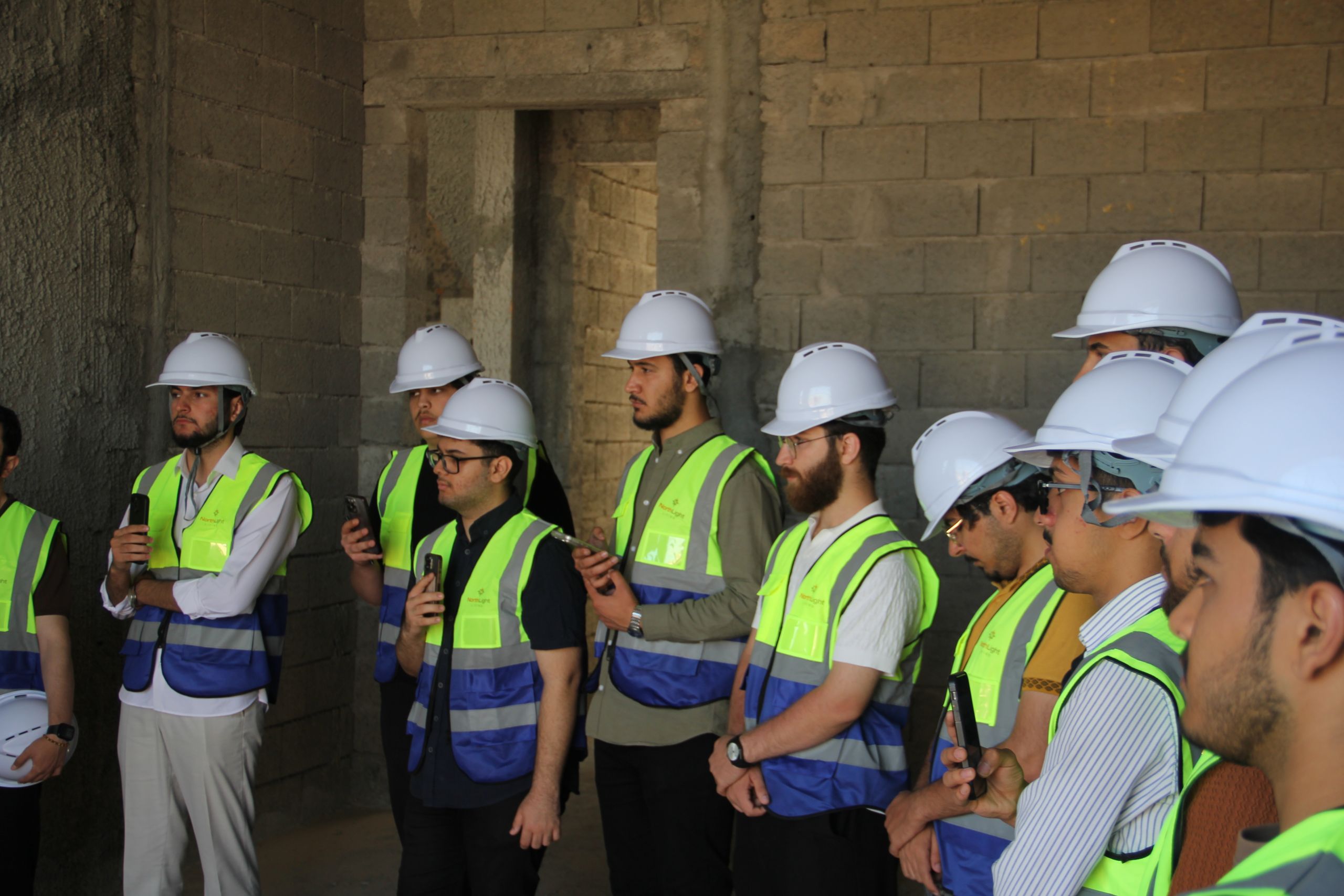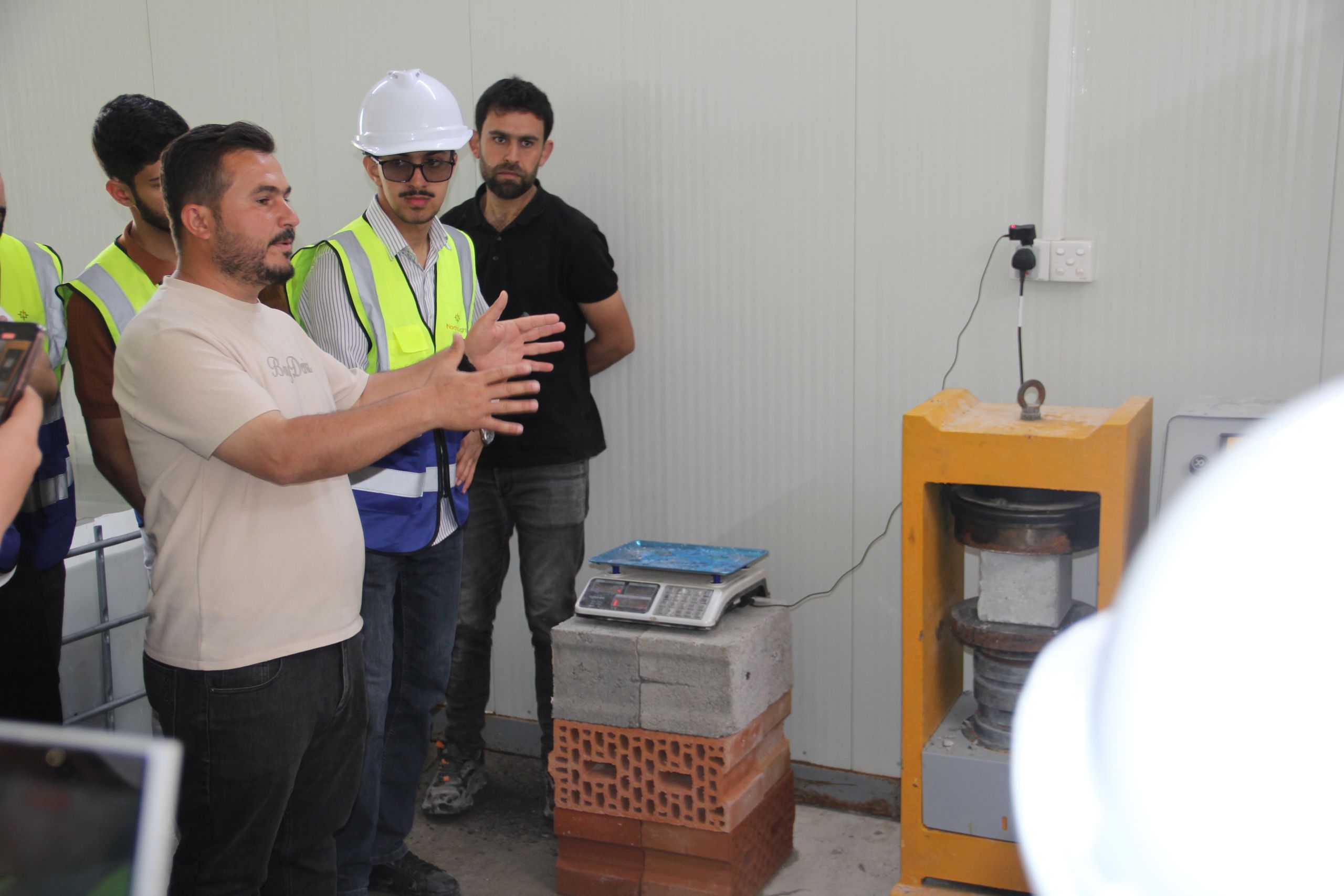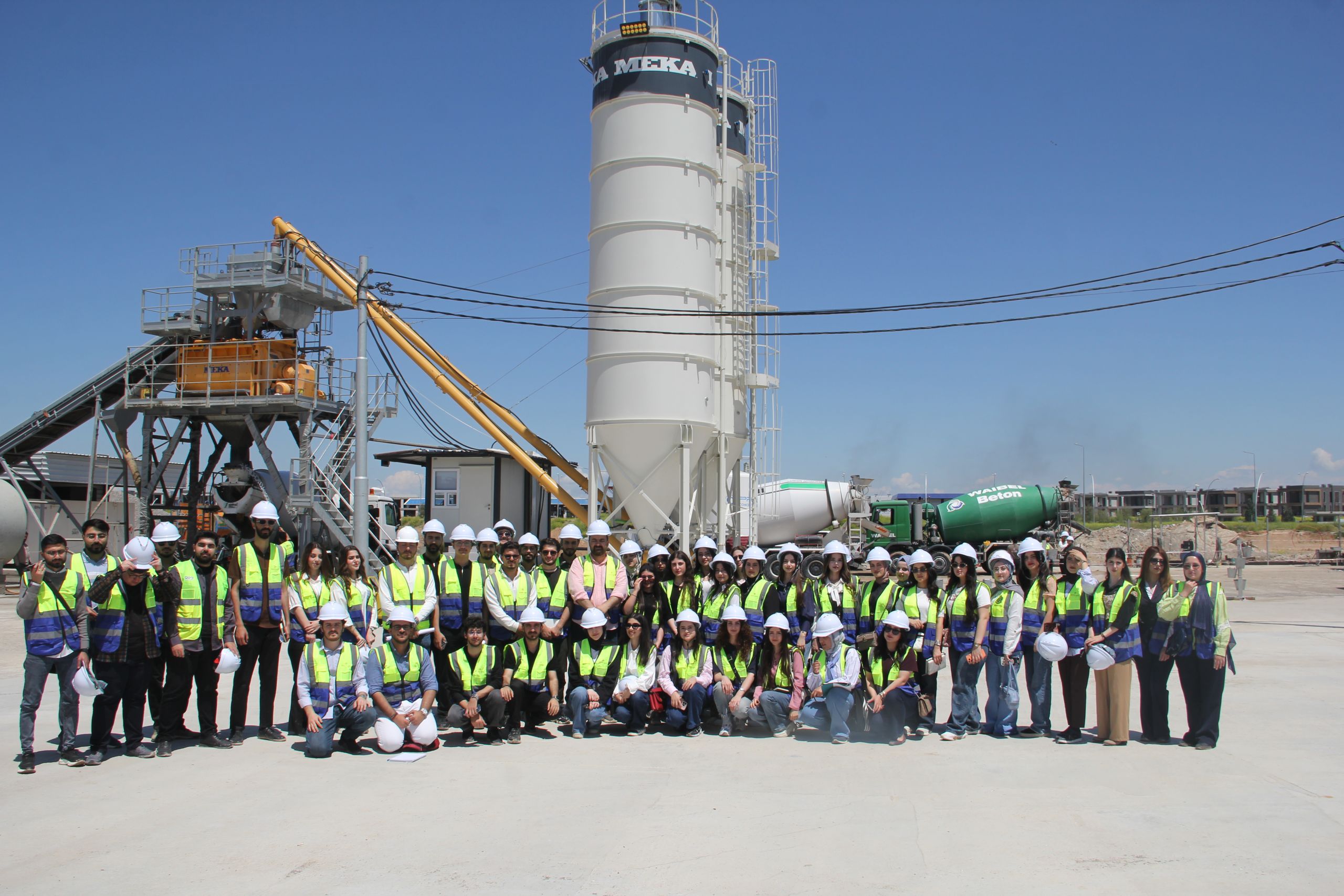
As part of Tishk International University's (TIU) continuous efforts to bridge the gap between academic theory and the practical engineering world, the Architecture Engineering Department organized an immersive site visit to Beverley Village for its 2nd-stage students enrolled in the Concrete Structures course.
Led by their instructor, Mr. Herish Omar Faraj, the educational trip provided students with a firsthand look at a live, dynamic construction environment, allowing them to witness structural design principles transition from textbook diagrams to real-world applications.
Aligning with Global Standards: Our SDG Commitment
This initiative directly reflects Tishk International University's commitment to embedding the United Nations Sustainable Development Goals (SDGs)into its core curriculum:
- SDG 4: Quality Education — By moving beyond traditional lectures and integrating experiential, field-based learning, the program ensures students acquire the practical skills and technical competencies needed for their future professional careers.
- SDG 9: Industry, Innovation, and Infrastructure — Exposing future architects to modern structural practices, ready-mix production, and advanced formwork systems fosters a deep understanding of resilient infrastructure design and sustainable construction methodologies.
Safety First: Preparing for the Field
Before stepping onto the active construction site, Mr. Herish Omar conducted a comprehensive safety and professional etiquette briefing. Emphasizing TIU's high standards of professional conduct, students were required to wear full Personal Protective Equipment (PPE)—including hard hats and high-visibility vests—at all times. The briefing also covered site boundaries, heavy machinery awareness, and strict adherence to the project engineers' guidelines.
From Concrete Plants to Roof Slabs
During the field trip, the sophomore architecture students observed a comprehensive range of structural operations essential to their curriculum. The core tasks required them to investigate:
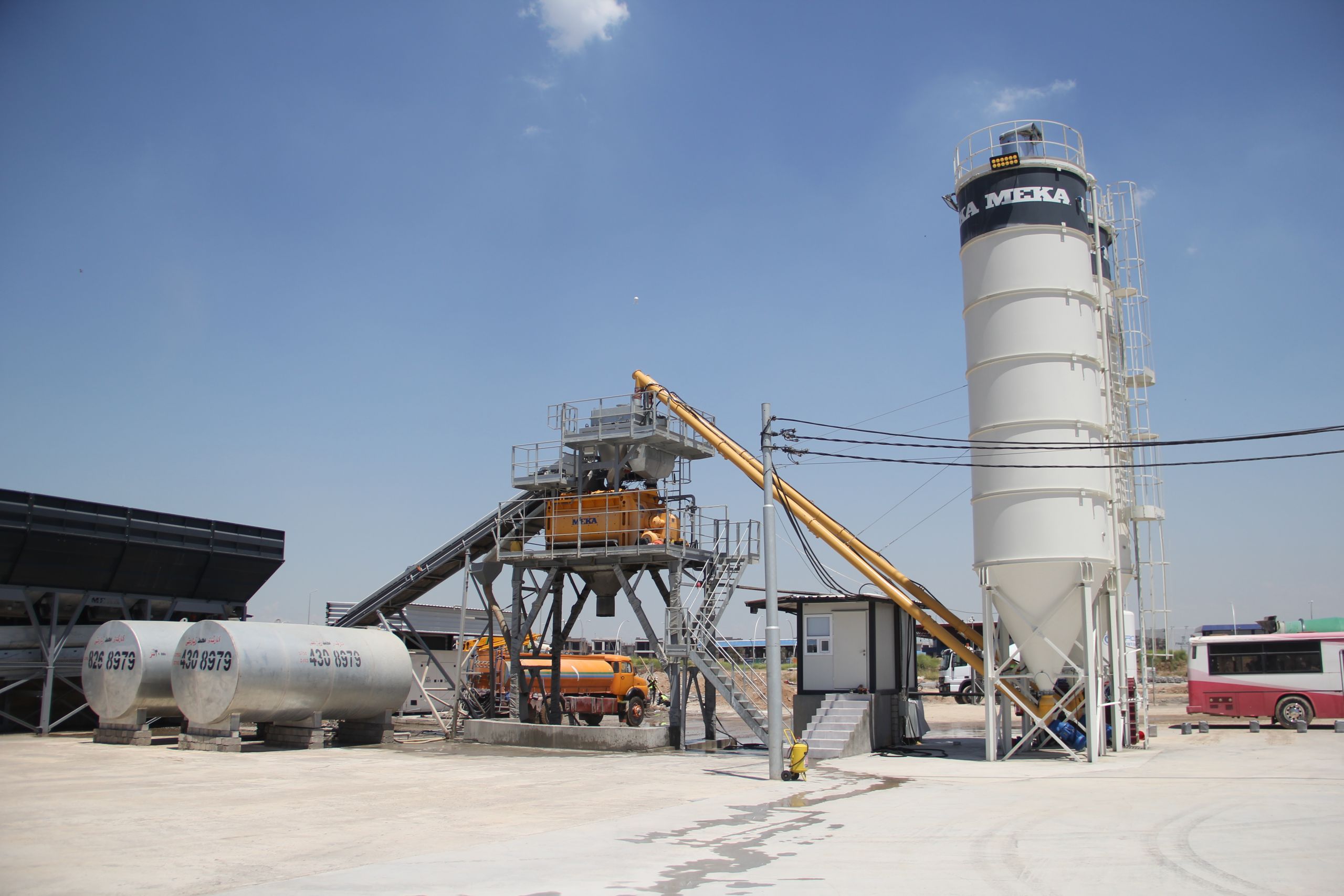
- Ready-Mix Production: Observing operations and quality control at the concrete plant.
- Casting Operations: Witnessing the methodology behind both foundation casting and roof slab concrete pouring.
- Structural Craftsmanship: Examining formwork systems (carpentry) and the intricate detailing of reinforcement bars (steel works).
- Load-Bearing Systems: Analyzing how columns, beams, slabs, and foundations function dynamically as a unified structural network.
Bringing the Site Back to the Classroom
The site visit was far from a simple field trip; it formed the foundation of a rigorous academic assignment accounting for 15% of the students' total semester grade.
Working in collaborative groups of five, the students were tasked with preparing a highly detailed Site Visit Report. The submission requirements demanded a blend of technical writing and practical visualization, including:
- Technical Flowcharts: Hand-drawn or CAD diagrams outlining the structural construction sequence (Foundation Columns Beams Slabs).
- Structural Field Galleries: A curated photo log identifying specific reinforcement and formwork details captured on-site.
- Comprehensive Analysis: A deep-dive architectural and structural analysis of how the building elements work together under real conditions.
Final Presentations and Knowledge Sharing
Exactly one week following the field excursion, the classroom transformed into a professional forum. Each student group took the stage to present their findings, report papers, and site observations directly to their peers and instructor.
During these presentations, students articulately explained the construction methodologies they witnessed, analyzed the quality control measures implemented by site supervisors, and answered targeted structural investigation questions.
"Seeing the reinforcement detailing and formwork installation in person changes your entire perspective as an architecture student," remarked one of the participants. "In class, it's a line on a blueprint; on-site, it's a massive network of steel and concrete that sustains human life." Through experiential learning initiatives like the Beverley Village site visit, the Faculty of Engineering at TIU continues to ensure that its architecture graduates are not just theorists, but practical problem-solvers fully prepared to step confidently into the regional labor market.