Successful Technical Knowledge Exchange
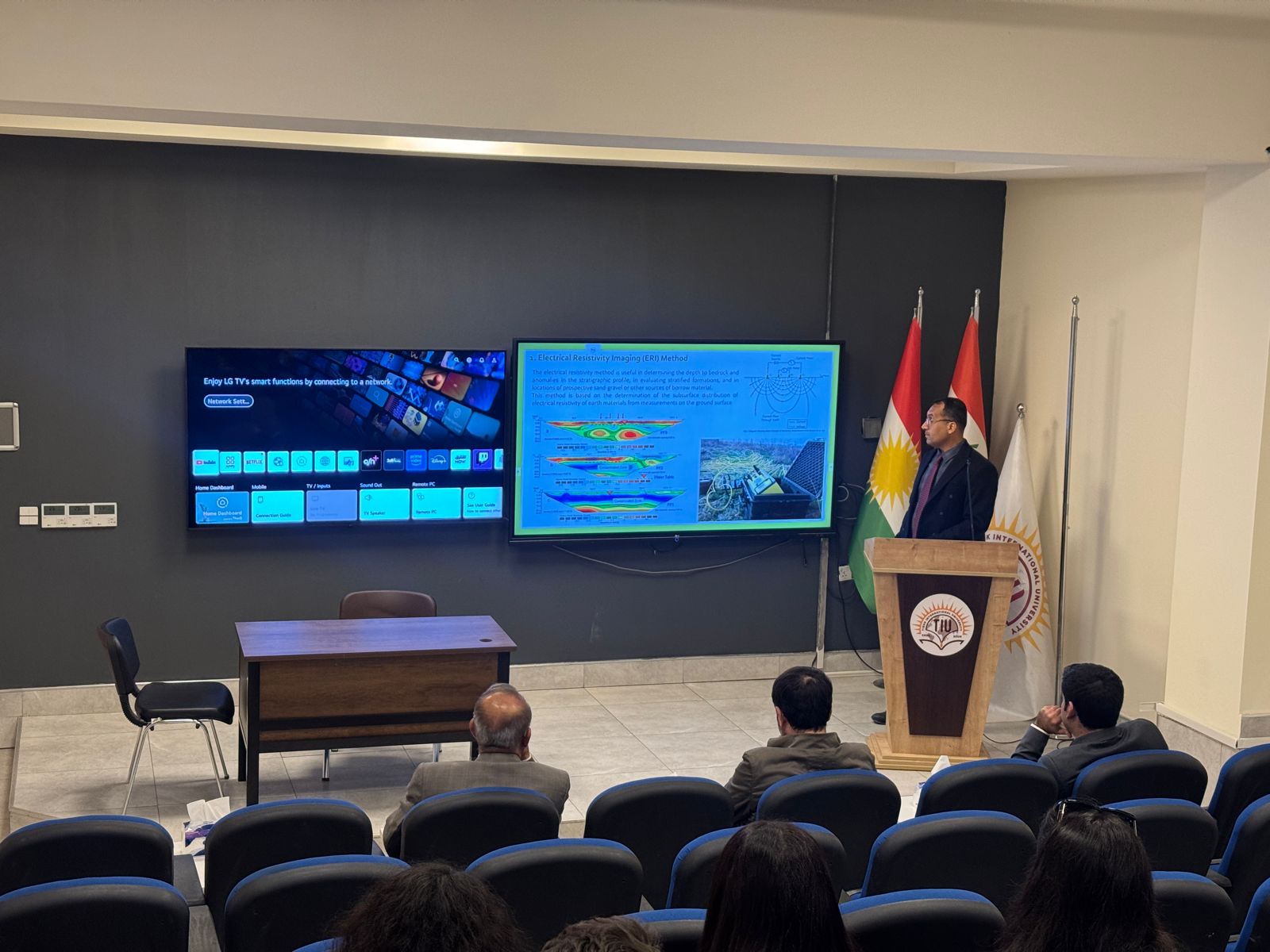
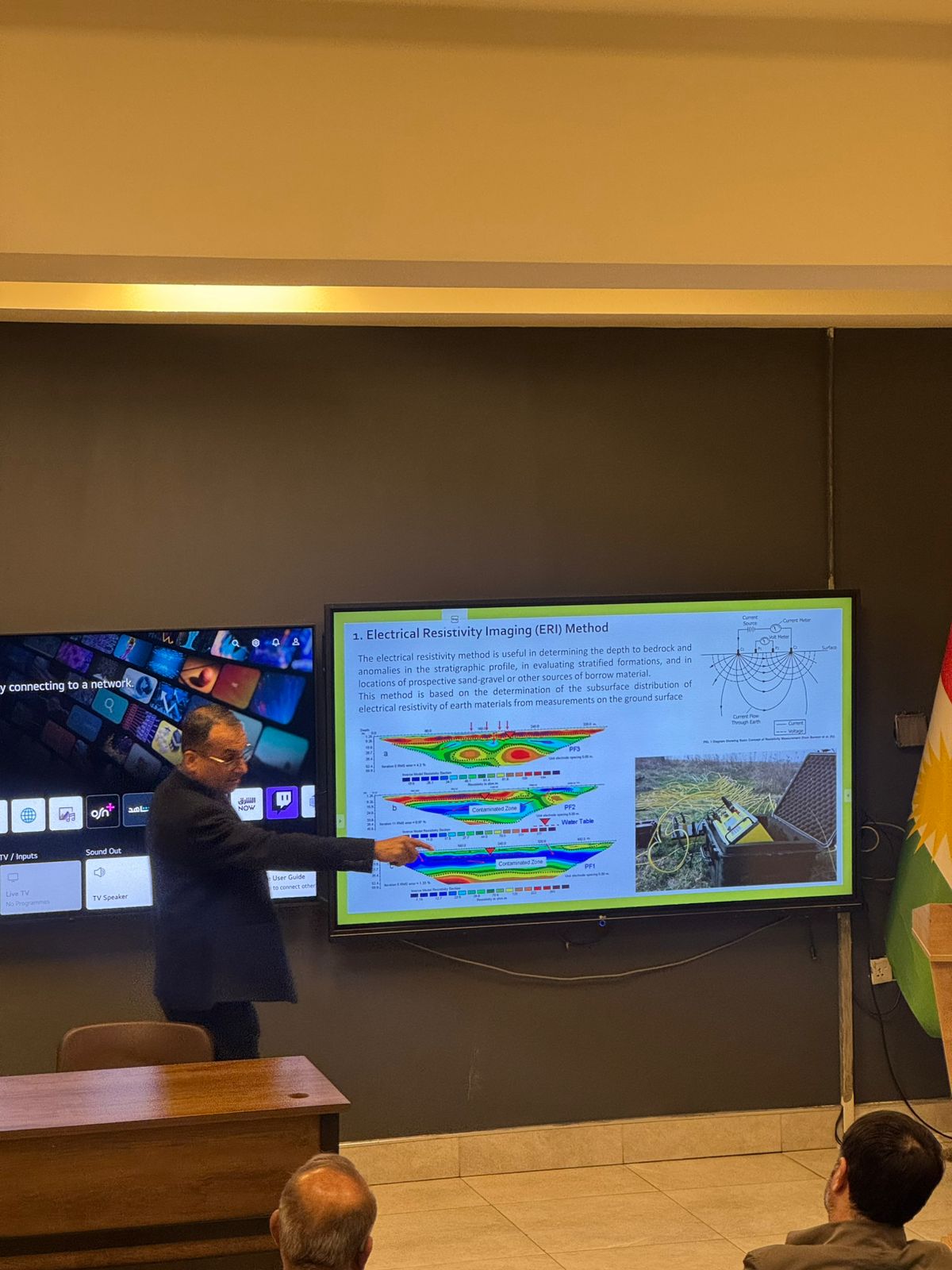
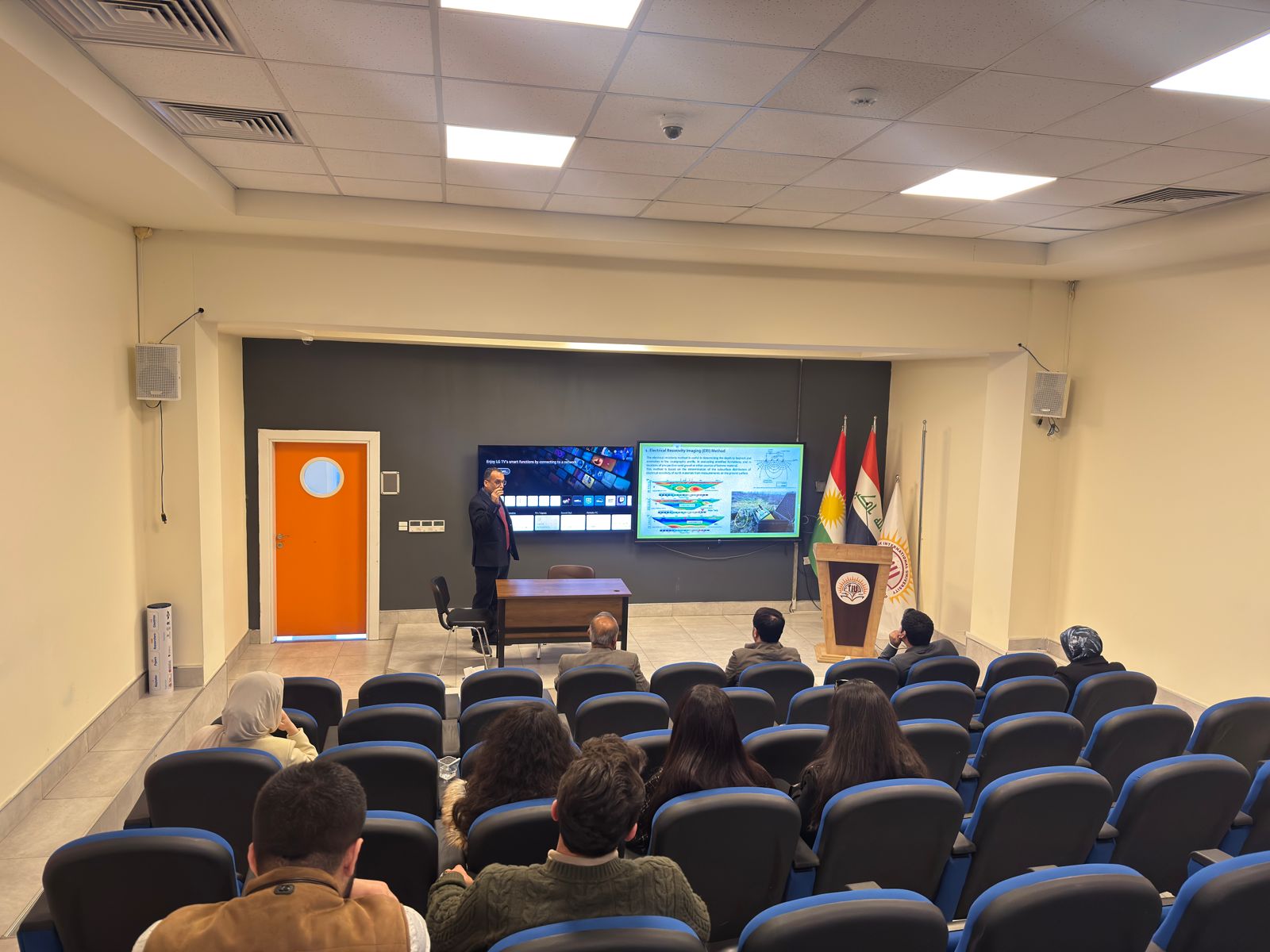
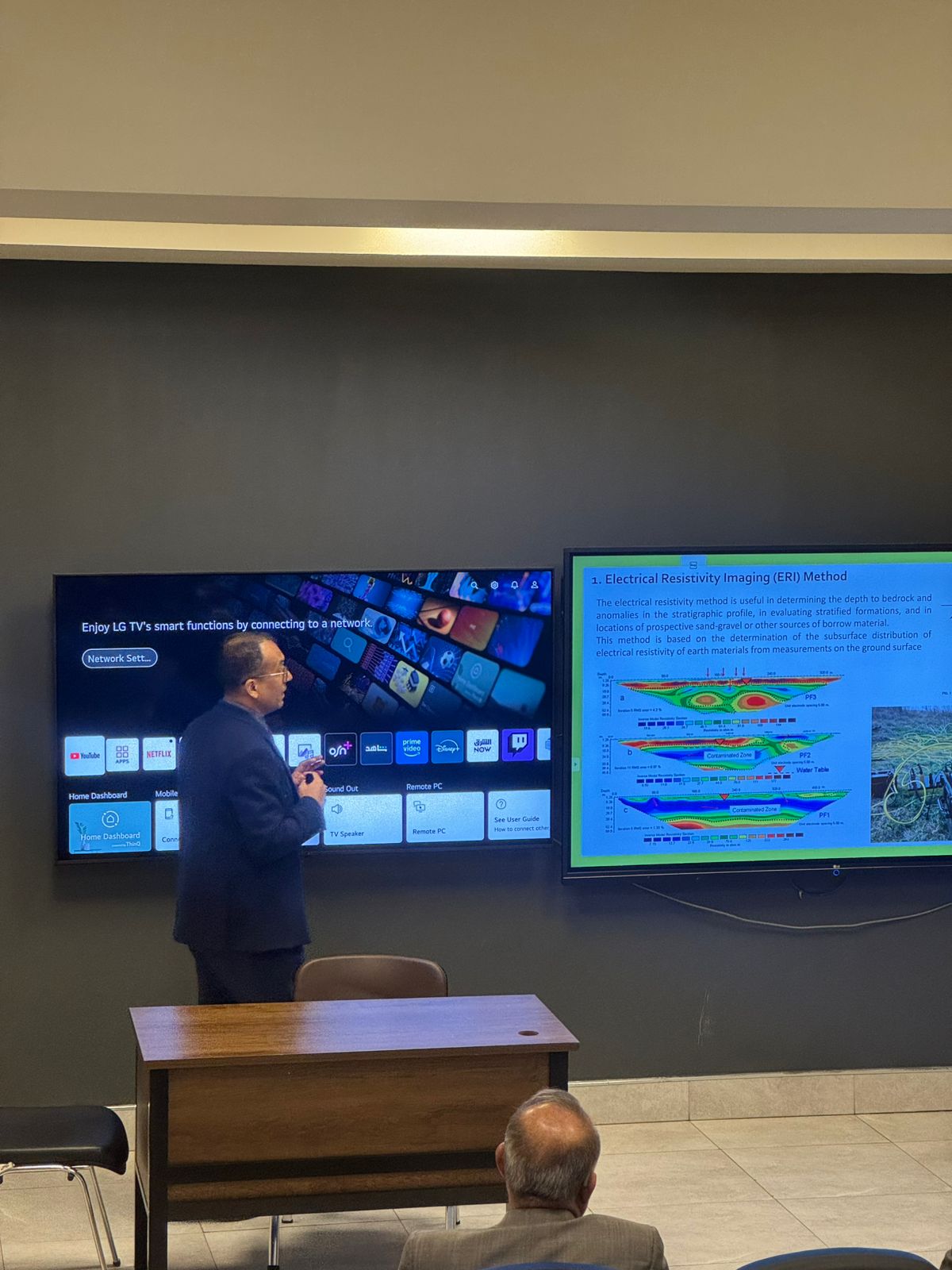
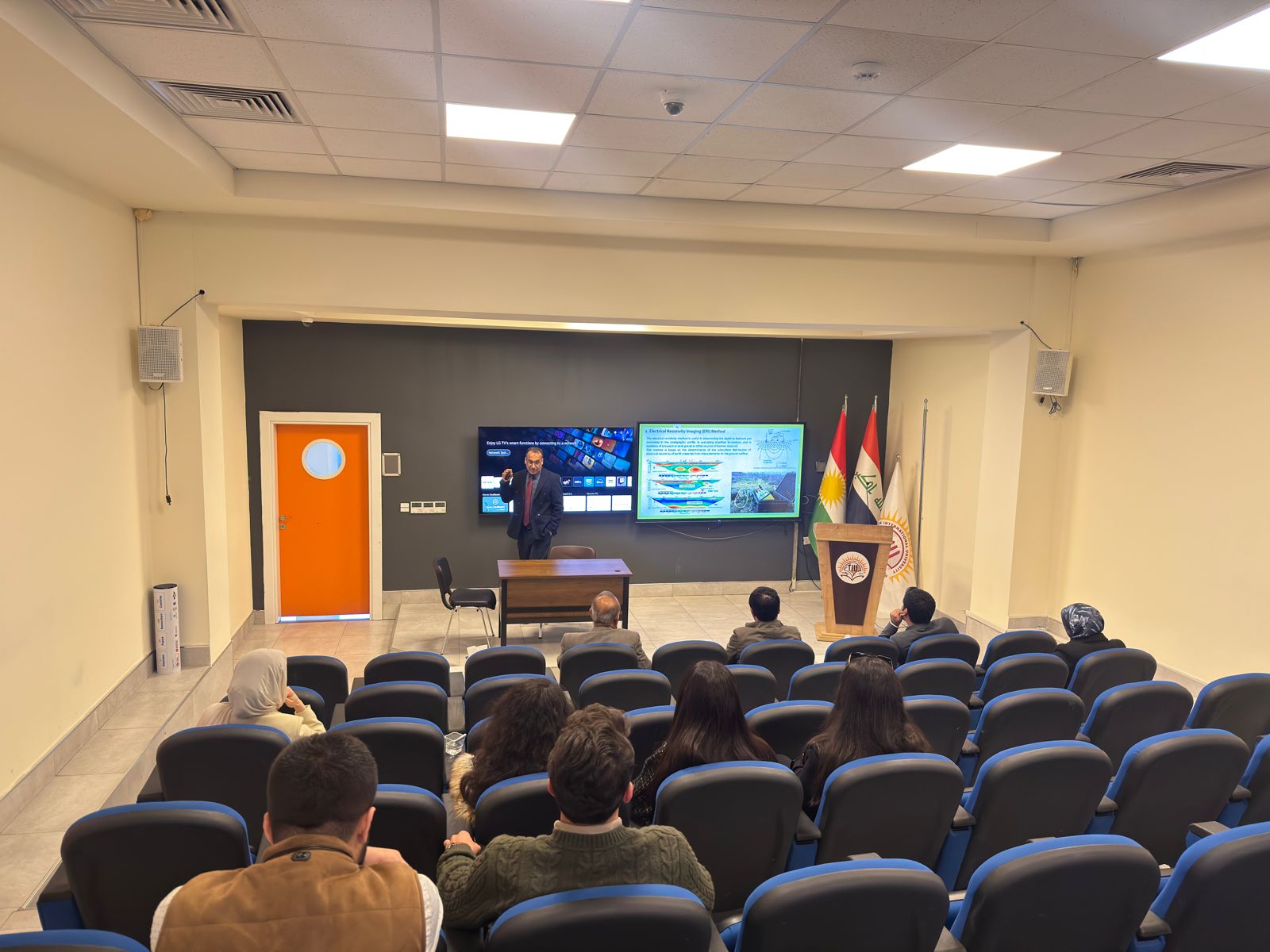
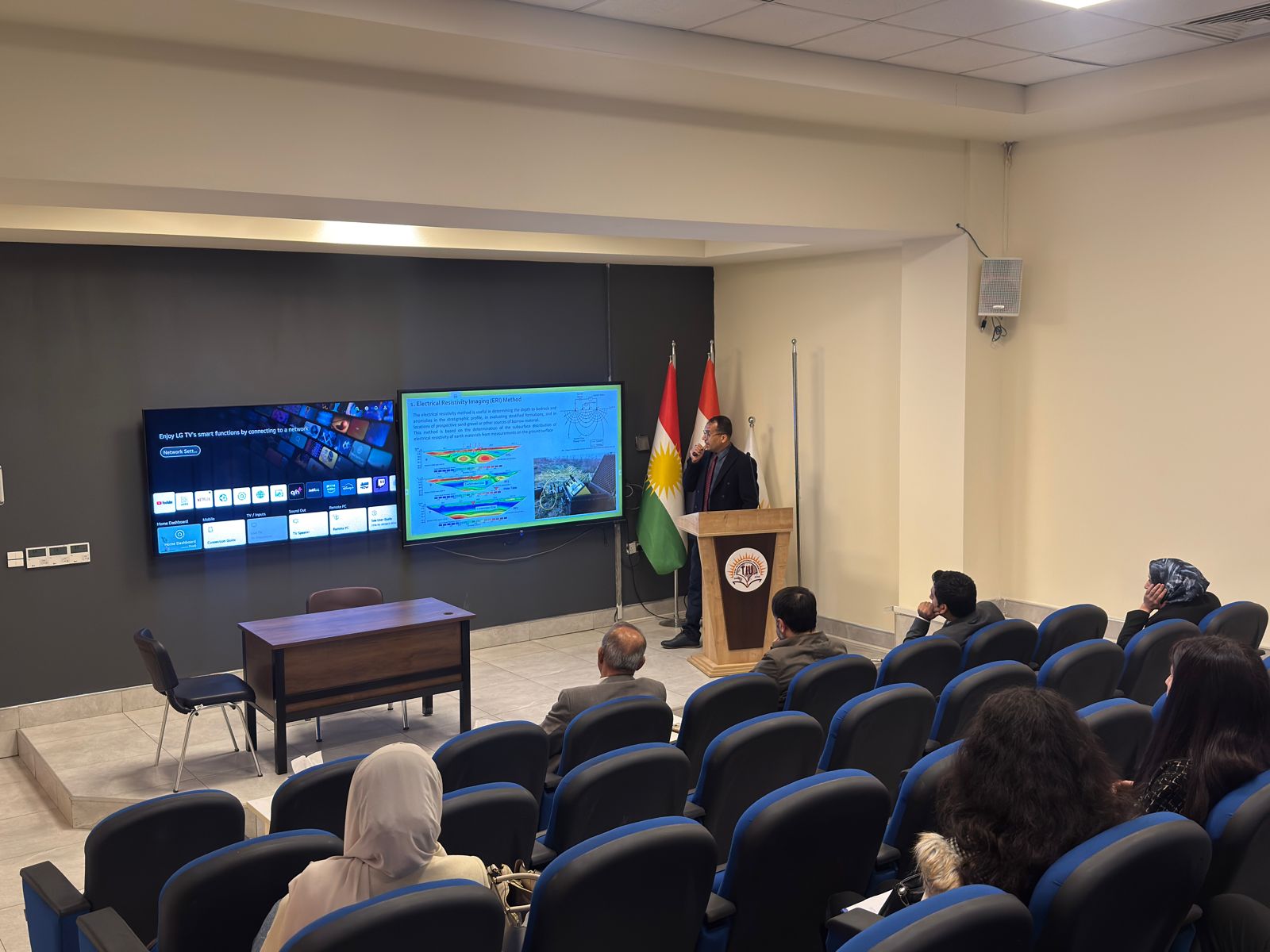
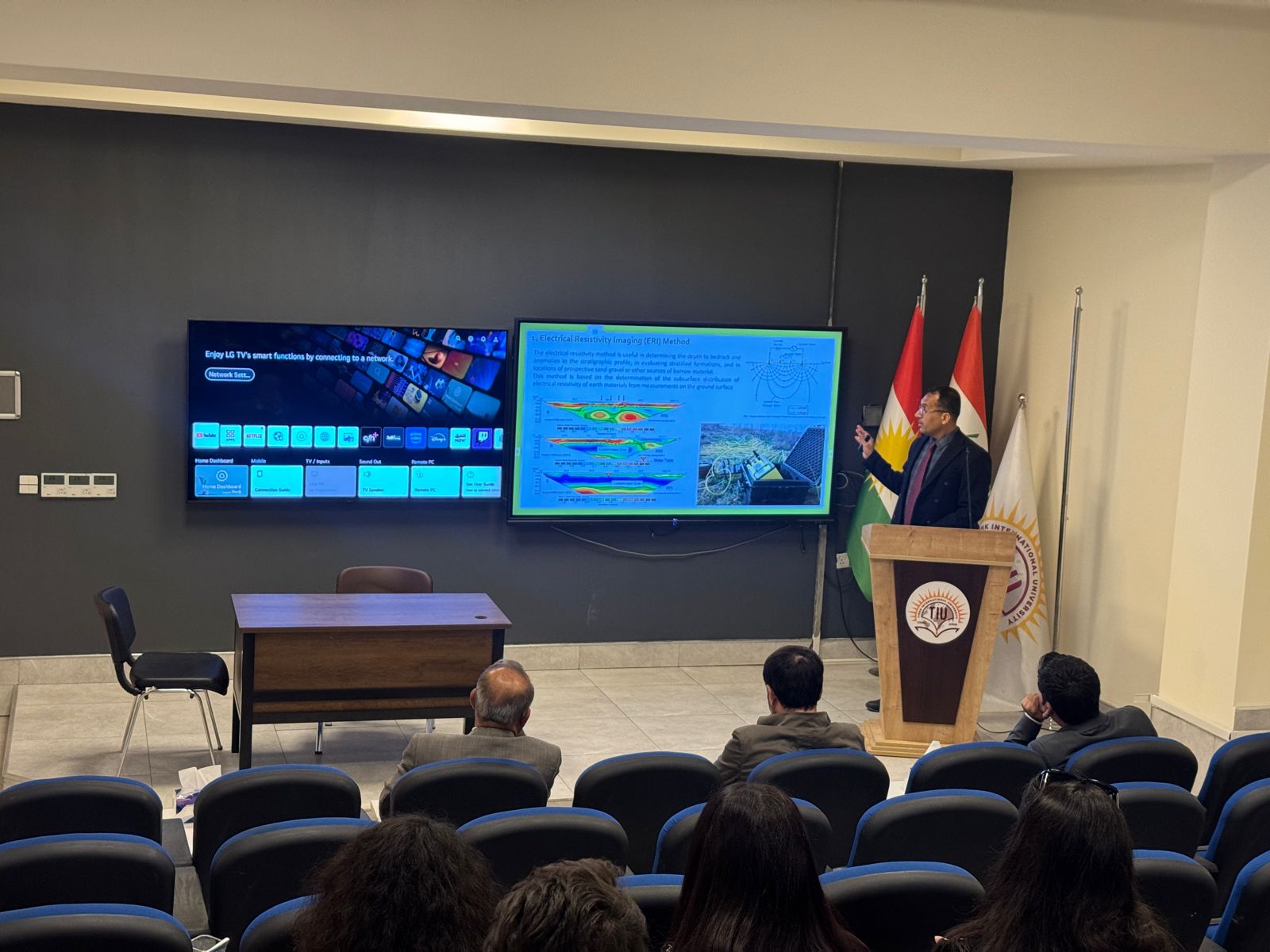
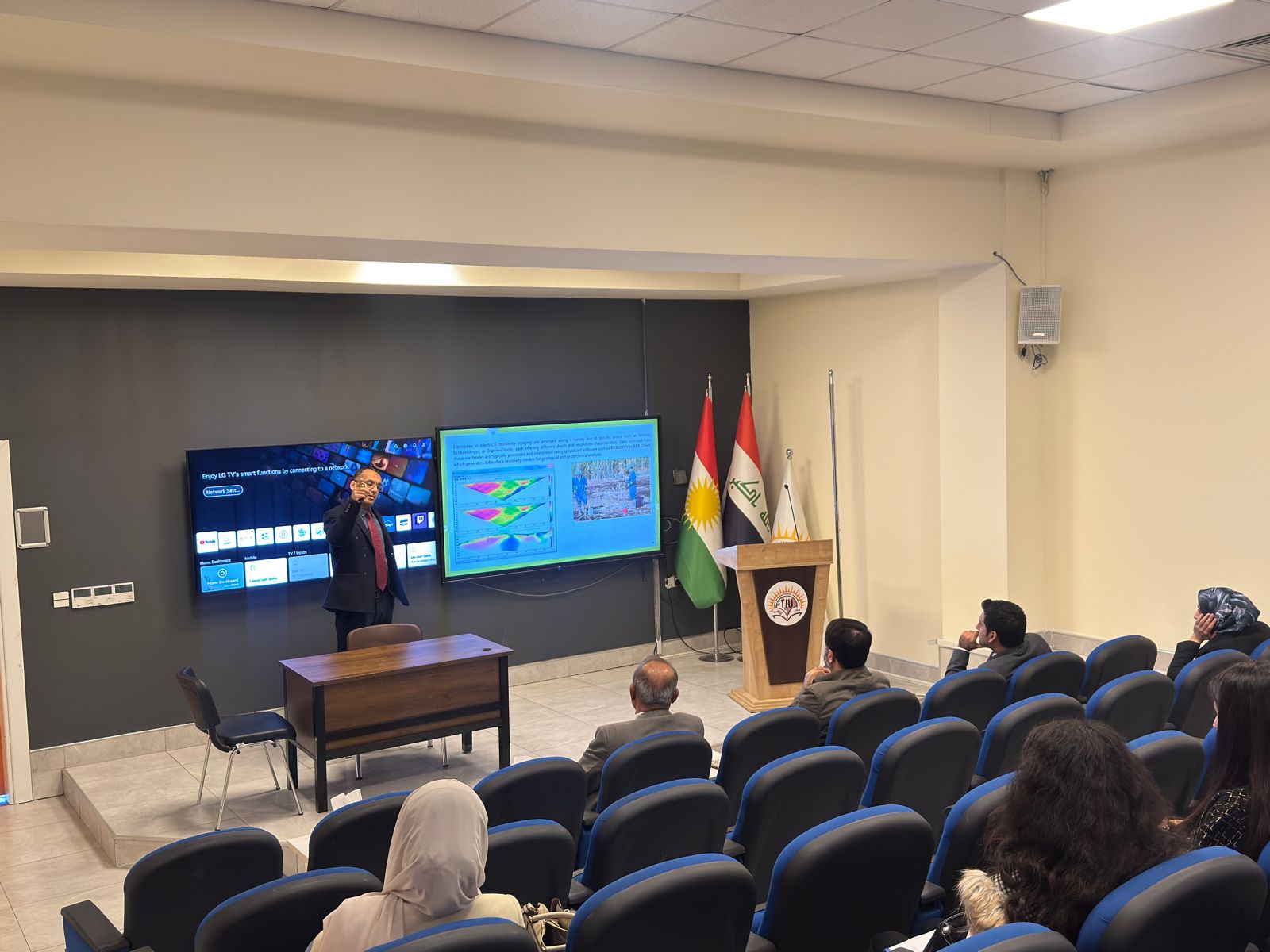
On December 21, 2025, the Civil Engineering Department at Tishk International University successfully concluded an insightful workshop titled “Regular and Modern Field Tests in Geotechnical Subsurface Investigation: Limitations and New Challenges in the Kurdistan Region.” Led by esteemed expert Dr. Yousif A. Hussein, this event brought together students, faculty, and industry professionals to discuss the evolving landscape of geotechnical engineering and its critical role in the region’s infrastructure development.
Bridging Theoretical Knowledge and Practical Application
The workshop emphasized that geotechnical subsurface investigation represents far more than a preliminary step—it serves as the critical foundation for any construction project. Dr. Hussein highlighted several essential connections between investigation quality and project outcomes:
Investigation-Project Relationships:
-
Accurate soil and rock property data directly dictates appropriate foundation design
-
Comprehensive subsurface information ensures long-term project safety and stability
-
Detailed geotechnical understanding prevents unforeseen costs during construction phases
-
Proper investigation methodologies reduce risk and enhance structural reliability
Comprehensive Technical Session Highlights
The workshop provided a thorough examination of both established and emerging geotechnical methodologies:
Traditional vs. Modern Method Comparison:
-
Overview of standard tests including the Standard Penetration Test (SPT) and Cone Penetration Test (CPT)
-
Transition to modern techniques such as Pressuremeter and Geophysical testing methods
-
Comparative analysis of different investigation approaches
-
Equipment and methodology evolution in geotechnical engineering
Regional Context and Challenges:
-
Specific geological challenges unique to the Kurdistan Region
-
Limitations of current local practices in subsurface investigation
-
Implementation hurdles when adopting newer technologies in regional contexts
-
Adaptation requirements for international standards to local conditions
Practical Application Insights:
-
Real-world case studies illustrating test applications in complex environments
-
Problem-solving examples from actual construction projects
-
Methodology selection criteria based on specific site conditions
-
Results interpretation techniques for practical decision-making
Interactive Engagement and Future Perspectives
The event concluded with a vibrant Open Discussion session where attendees actively engaged with Dr. Hussein on multiple technical and professional topics:
Discussion Focus Areas:
-
Equipment calibration and maintenance best practices
-
Future development of geotechnical standards in Iraq
-
Technology adoption pathways within regional construction industries
-
Educational preparation for emerging geotechnical challenges
-
Professional collaboration opportunities between academia and industry
Institutional Commitment to Engineering Advancement
The Department of Civil Engineering noted during the closing address that “This workshop serves as a vital bridge between academic knowledge and the practical challenges of our local construction industry.“
By hosting such specialized technical events, Tishk International University continues to demonstrate its commitment to:
University Engineering Mission:
-
Advancing engineering excellence through knowledge dissemination
-
Preparing the next generation of engineers for regional challenges
-
Bridging academic research with industry application needs
-
Fostering professional dialogue between educational and practical sectors
-
Addressing unique geotechnical challenges specific to the Kurdistan Region
This successful workshop exemplified TIU’s dedication to providing relevant, practical education that directly addresses the technical needs and challenges of the region’s construction and engineering sectors.
Keywords: Geotechnical Workshop, Subsurface Investigation, Civil Engineering, Regional Challenges, Technical Training, Engineering Education, Infrastructure Development, Professional Development